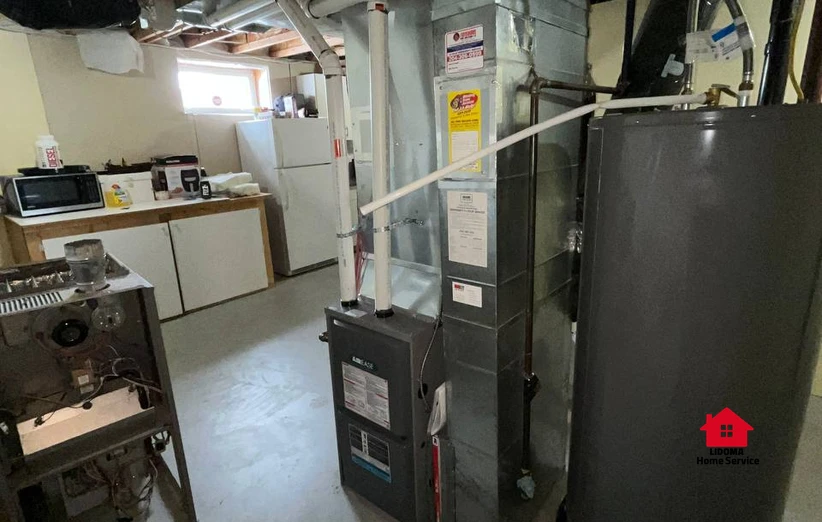
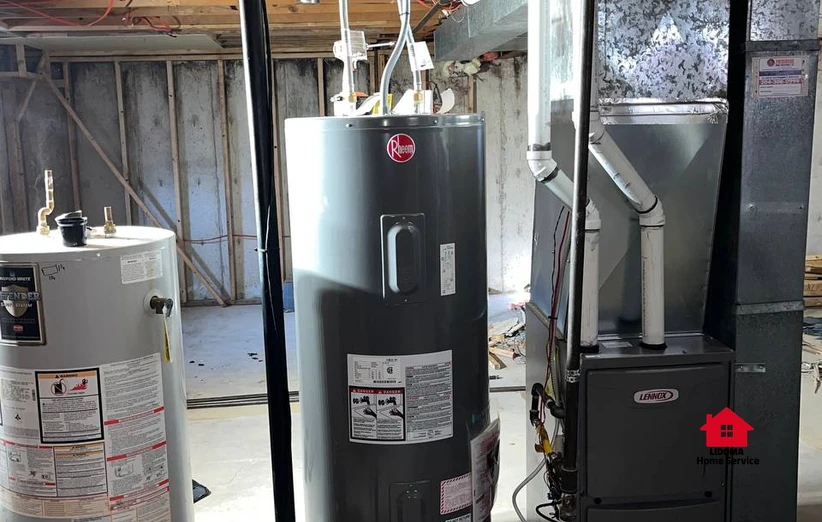
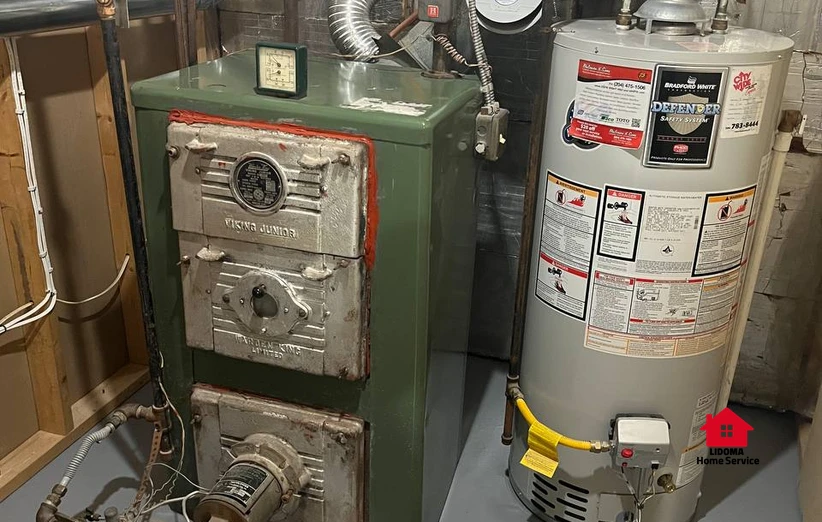
furnace Installation in Winnipeg: Complete Guide to Choosing & Installing the Right System
How to choose the right furnace for Winnipeg winters — costs, efficiency, permits, and pro installation tips.
Furnace Installation in Winnipeg: Complete Guide to Choosing & Installing the Right System
Short summary: This guide helps Winnipeg homeowners choose the correct furnace, understand professional sizing (Manual J), estimate real installation costs and incentives, comply with local permits and safety rules, and know what to expect during and after installation. Clear, practical, and Winnipeg-focused.
Why the Right Furnace and Proper Installation Matter in Winnipeg
Winnipeg winters are long and cold. A poor equipment choice or substandard installation quickly shows up as high energy bills, uneven heating, short system life, and frequent repairs. Choosing a high-efficiency furnace and having it installed correctly reduces fuel use, improves comfort, and lowers risk.
Practical points:
- A correctly sized, high-AFUE gas furnace gives better comfort and lower operating costs over its lifetime.
- Installation quality matters as much as the equipment brand — duct leaks, poor venting, or incorrect combustion setup will negate high-efficiency gains.
- Keep records of installation and service for warranty and resale value.
Furnace Types: Pros, Cons and Which One Fits Your Home
Common furnace types for Winnipeg homes:
-
Natural Gas / Propane Furnaces
Pros: Typically lowest operating cost where gas is available; high-efficiency units widely available.
Cons: Requires proper venting and gas connections; must be installed by licensed professionals.
-
Electric Furnaces
Pros: Simple, compact, no combustion concerns.
Cons: Higher running costs in most cases unless you have very cheap electricity or on-peak/off-peak arrangements.
-
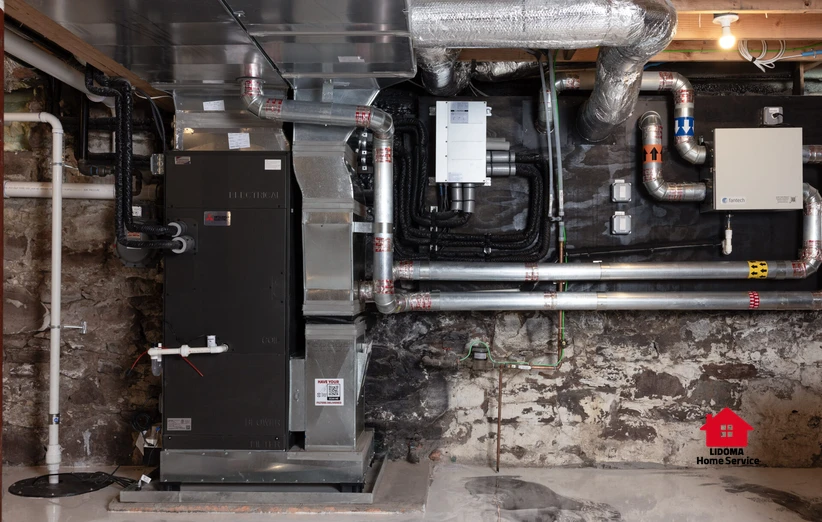
Heat Pumps (Cold-Climate Models)
Pros: Highly efficient year-round when sized and selected correctly; can work as primary heat in many modern upgrades.
Cons: Upfront cost and sometimes supplemental heat may be needed at extreme cold; consider hybrid (dual-fuel) systems if converting from gas.
How to choose:
- If you have natural gas access and want lowest operating cost, modern high-AFUE gas furnaces are a strong choice.
- Consider heat pumps if you’re planning a major retrofit, want electric heating, or want best long-term efficiency with available incentives.
- Evaluate house envelope (insulation), ductwork condition, and occupancy patterns before deciding.
Sizing Right: Manual J, Manual S and Why Square Foot Estimates Fail
A furnace that is too large will short-cycle and reduce comfort; one that’s too small won’t keep up in extreme cold. Professional sizing uses industry-standard load calculations, commonly Manual J (heat loss calculation) and Manual S (equipment selection).
Key steps professionals take:
- Measure conditioned space, insulation levels, window types and orientation, infiltration (air leakage), and local design temperatures.
- Calculate heat loss to arrive at the required BTU/hr output.
- Select equipment with the right capacity and efficiency, verifying duct compatibility (duct sizing and static pressure).
Homeowner action items:
- Ask potential installers for a written Manual J or equivalent heat-loss report — not just a “rule of thumb” sizing by square-feet.
- Confirm the installer performs or reviews ductwork performance when recommending equipment changes.
Realistic Cost Breakdown, Financing and Local Incentives
Typical cost components:
- Equipment: furnace unit price varies by brand and AFUE rating.
- Labor: removal of old unit, installation, flue/venting, gas/electrical hookups, and commissioning.
- Ductwork: sealing, repairs, or redesign if required.
- Permits and inspections: municipal fees and any required safety inspections.
- Extras: thermostats, condensate drains, filtration upgrades.
Expected ranges (ballpark):
- Basic to mid-range gas furnace installations often start around a few thousand dollars and can rise substantially with high-efficiency units and duct repairs. (Get 3+ local quotes for accurate numbers.)
Financing & incentives:
- Explore provincial and federal efficiency incentives or rebates that often reduce upfront costs for high-efficiency equipment or heat pumps.
- Offer transparent financing or payment plans from trusted local contractors when available.
- Always verify current rebate programs and eligibility — amounts and criteria change.
Permits, Codes and Safety Requirements in Winnipeg
Permits and compliance:
- Furnace replacement or new installations commonly require mechanical permits and must meet local codes for fuel appliances and ventilation.
- Combustion air and venting need to follow code; improper venting is a major safety concern.
Who should do the work:
- Gas and combustion appliances must be installed by licensed technicians. Electrical work connected to systems should meet local electrical code and may require a separate licensed electrician.
Post-installation safety checks:
- Pressure and leak testing for gas piping.
- Proper vent termination and draft testing.
- CO (carbon monoxide) and smoke detector checks and placement recommendations.
The Installation Process: What to Expect On Install Day
A professional installation typically follows these steps:
- Pre-install inspection and planning: confirm Manual J results, duct checks, and final quote.
- Obtaining permits: installer pulls permits if required.
- Removal of old unit (if applicable) and preparation of the area.
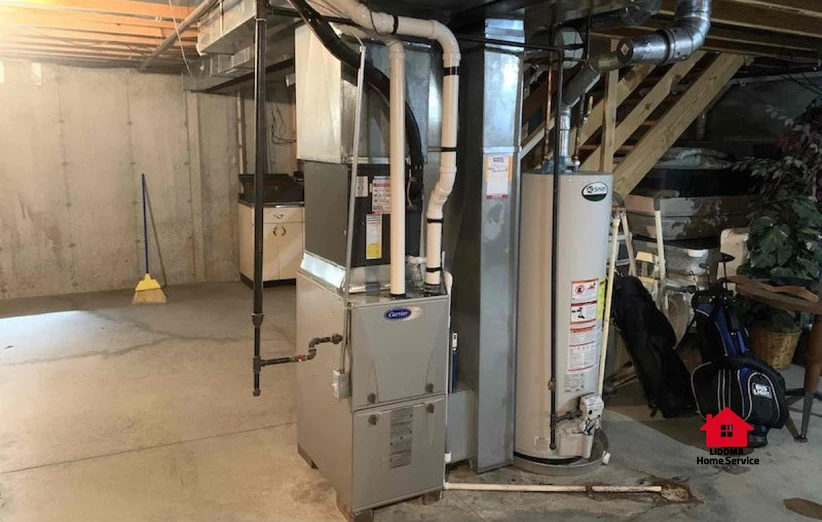
- Mechanical installation: set new furnace, connect gas, ducts, flue/vent, condensate drains and electrical.
- Startup & combustion testing: verify safe operation, measure temperatures and static pressure, adjust burners if applicable.
- Balancing & thermostat setup: ensure airflow and temperature balance; configure programmable thermostats.
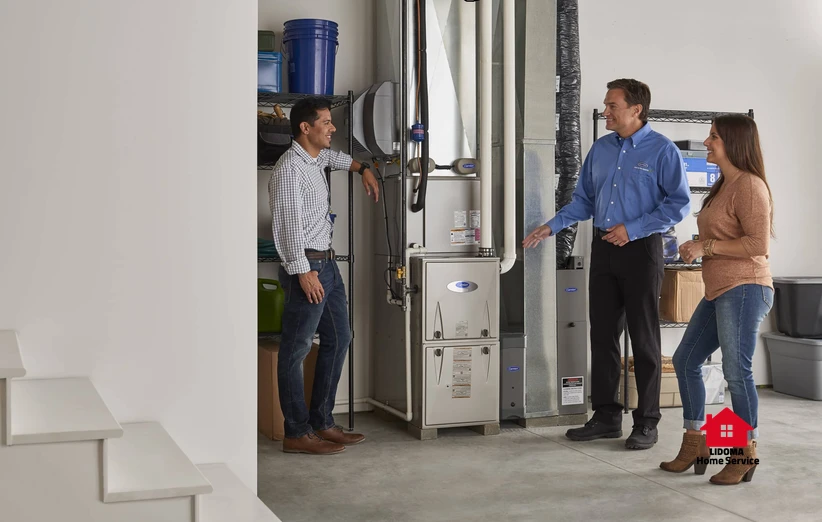
- Final walk-through: installer explains operation, maintenance needs, warranty, and hands over documentation.
Expect a full-day job for many standard replacements; more complex installs (new ductwork or conversions) take longer.
Maintenance, Warranties and How to Protect Your Investment
Maintenance matters:
- Schedule annual or biannual tune-ups before the heating season—clean burners, check heat exchanger, test safety controls, and confirm proper combustion.
- Replace or clean filters per manufacturer guidance; restricted airflow shortens equipment life.
Warranties:
- Furnace manufacturers provide parts warranties; installers may offer workmanship warranties. Get both in writing.
- Maintain service records to preserve warranty coverage.
Service plans:
- Consider a service contract that includes priority service and annual checks — saves money and prevents emergencies during Winnipeg’s coldest periods.
Choosing the Right Installer in Winnipeg (Checklist)
When vetting contractors:
- Confirm licensing, insurance, and gas/combustion credentials.
- Request Manual J (heat-loss) documentation and the proposed Manual S equipment selection.
- Ask for references and check local reviews (Google, local community boards).
- Get a written quote with itemized costs for equipment, labor, permits, and optional ductwork upgrades.
- Confirm warranty coverage for both equipment and labor.
- Verify clear project timeline and post-install support.
Red flags:
- Lowball quotes without written scope or omitted permit work.
- Pressure sales or demands for large upfront cash without contract.
Frequently Asked Questions (FAQ)
Q: How long does a typical furnace installation take?
A: Most standard replacements take 6–10 hours; complex projects with ductwork changes or conversions may require multiple days.
Q: Is a high AFUE furnace worth the extra cost in Winnipeg?
A: Often yes — higher AFUE reduces annual fuel consumption and pays back over years, especially with Winnipeg’s long heating season. Evaluate payback against upfront cost and available incentives.
Q: Do I need to replace ducts when I replace a furnace?
A: Not always. However, older or leaky ducts should be repaired or sealed to realize full efficiency gains; installers should inspect ducts and recommend fixes when needed.
Q: Can I switch from oil to gas, or gas to heat pump?
A: Conversions are possible but require full evaluation — fuel supply, ducting, electrical needs, and incentives all play a part. Get a site visit and a multiple-option quote.
Next Steps
If you want a confident, local estimate:
- Book an on-site Manual J heat-loss assessment and a written quote that lists equipment, labor, permit fees, and any ductwork required.
- Ask the installer to include projected operating cost comparisons between options (e.g., current furnace vs high-efficiency gas vs heat pump).
- Keep multiple bids and compare documented scope, not only price.
LIDOMA Home Services — Winnipeg: We provide certified installations, Manual J reports, duct inspections, and competitive quotes. Contact us to schedule an assessment and get a clear, written plan for your furnace replacement.