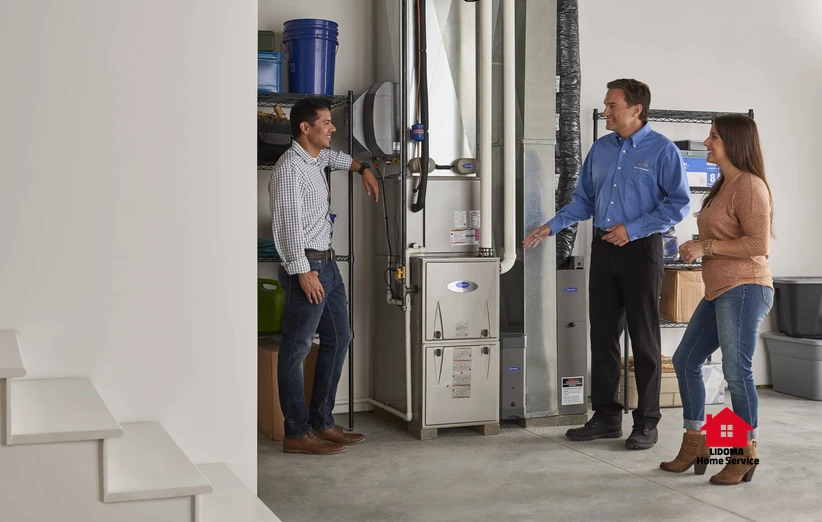
Furnace Repair or Replacement in Winnipeg? How to Make the Right Call
A practical guide for Winnipeg homeowners to understanding furnace repair costs, recognizing warning signs, and deciding when replacement is the smarter long-term investment
Author : Lidoma Home Services Ltd
Around the ten-year mark, most gas furnaces start dropping hints. Nothing dramatic at first — a new noise, a service call, a gas bill that creeps up each winter. Then one frigid January morning the house never warms up, and you're weighing a repair quote against a full replacement while standing in your own kitchen in a parka.
In Winnipeg, that decision carries more weight than it does in most Canadian cities. Our heating season stretches from October well into April, and furnaces here can run six to seven months of the year, often flat out through cold snaps that last a week or more. A furnace that quits during a February cold snap isn't just an inconvenience. Pipes can freeze, families end up in hotels, and every HVAC company in the city is booked solid with emergency calls.
That's the case for evaluating an aging furnace on your schedule — before it makes the decision for you.
When Does Furnace Repair Stop Making Financial Sense?
When Does Furnace Repair Stop Making Financial Sense?
There's no magic birthday when a furnace must be replaced. Age is a clue, not a verdict. A gas furnace that has been maintained regularly can give 15 to 20 years of service; a neglected one can be finished at 12. What matters is the combination of age, condition, repair history, and what a repair actually buys you.
Four questions separate a sensible repair from throwing good money after bad:
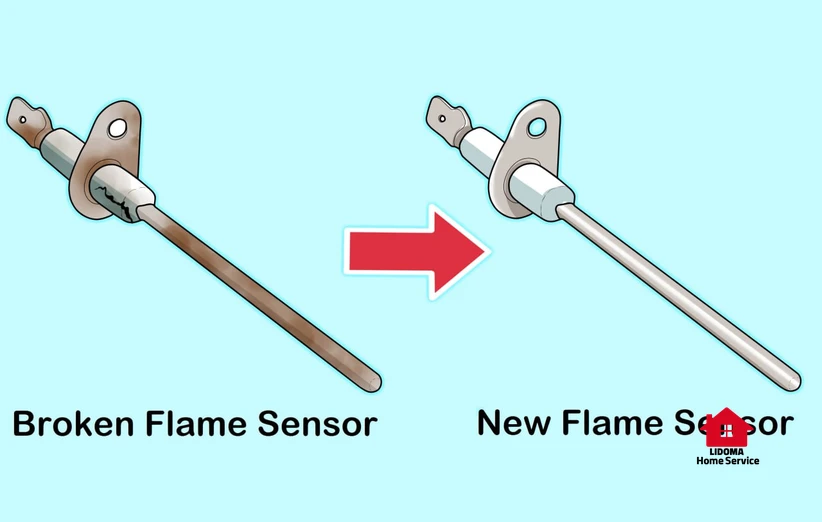
What failed? An ignitor or flame sensor is normal wear; replacing one is routine. A blower motor or a control board is a different conversation — those are expensive components, and on an older furnace their cost can approach the value of the years the machine has left.
How often does it break down? One repair in ten years is just life. Three service calls in two winters is a pattern, and patterns like that rarely reverse on their own.
What shape is the heat exchanger in? This is the heart of a gas furnace, separating the flame from the air your family breathes. If it cracks, combustion gases — including carbon monoxide — can reach the air moving through your home. A cracked heat exchanger generally ends the repair discussion and starts a replacement one.
Where are your bills heading? A gas furnace burns natural gas to make heat, while the blower and controls run on electricity. When a furnace loses efficiency, the difference shows up mostly on the gas bill: as Natural Resources Canada explains, the AFUE rating measures fuel use only, not the electricity that fans and controls consume. If gas use keeps climbing through winters with similar weather, the furnace is quietly getting more expensive to run.
A practical rule of thumb: if a repair quote approaches a third of the cost of a properly installed replacement, and the furnace is already past its teens, run the long-term numbers honestly. A repair might get you through this winter. It doesn't reset the clock on the next component.
Warning Signs Your Furnace May Be Nearing the End
Trouble a Repair Can Usually Fix
Some symptoms look alarming but are routine: ignition trouble from a dirty flame sensor, weak airflow from a clogged filter, a rattle from a loose panel. None of these spells the end of the equipment.
Signs That Deserve a Replacement Assessment
Others warrant a closer look:
- Repeat service calls: How often a furnace breaks down says more than any single failure.
- Uneven heating: Bedrooms at the end of the duct runs stay cold while the living room bakes. Sometimes it's ductwork; in an aging furnace, it's often a blower losing strength.
- New noises: Banging at startup, scraping, or a hum that wasn't there last winter point to mechanical or ignition wear.
- Short cycling: The furnace fires, runs briefly, shuts off, and repeats without ever really warming the house.
- Difficulty maintaining temperature: Trouble holding the thermostat setting on the coldest days, even running constantly.
- Expensive component failures: Blower motors, control boards, gas valves — especially on an older unit.
Safety symptoms deserve immediate attention: rust flakes or soot around the cabinet, a burner flame that flickers yellow instead of holding a steady blue, a carbon monoxide detector that alarms, or persistent flu-like symptoms at home.
And if you ever smell rotten eggs, don't investigate — natural gas is odourless on its own, and that smell is added on purpose so leaks get noticed. Leave the house immediately, don't touch light switches or anything that could spark on the way out, and call 911 or Manitoba Hydro at 1-888-624-9376 from outside.
Repair or Replace? An Honest Comparison
Replacement isn't automatically the right answer. A ten-year-old furnace with a failed sensor is a repair, full stop. The decision gets difficult in the middle years, when the equipment still works but the math is shifting.
Here are some important factors to consider when deciding whether to repair or replace your furnace.
1. Furnace Age
- Repair: Your furnace is under 10 years old and has been properly maintained.
- Replacement: Your furnace is over 15 years old and experiencing increasingly frequent problems.
2. Repair Costs
- Repair: The problem involves a relatively inexpensive component or a straightforward repair.
- Replacement: Major components, such as the blower motor or control board, need expensive repairs, particularly when the furnace is already aging.
3. Breakdown History
- Repair: This is the first significant breakdown in several years.
- Replacement: Your furnace has required multiple service calls over the past few heating seasons.
4. Energy Consumption
- Repair: Your natural gas consumption has remained relatively stable under similar weather conditions.
- Replacement: Your heating costs have increased consistently, and an inspection suggests declining furnace efficiency.
5. Heating Performance
- Repair: Your furnace heats the home evenly and maintains the desired thermostat temperature.
- Replacement: Some rooms remain cold, airflow is weak, or the furnace frequently turns on and off without properly heating your home.
6. Safety
- Repair: A professional inspection finds no significant safety concerns.
- Replacement: The heat exchanger is cracked or there are serious combustion or venting problems requiring replacement.
7. Parts Availability
- Repair: Genuine replacement parts are readily available at a reasonable cost.
- Replacement: Your furnace model has been discontinued, and essential components are becoming difficult or expensive to source.
An Important Consideration: These are general guidelines, not automatic replacement rules. A qualified HVAC technician should assess your furnace's overall condition, safety, repair costs, and expected remaining lifespan before recommending either option.
Two things tip the scales.
The first is efficiency: the EnerGuide scale for gas furnaces runs from 90% to 98% AFUE, and a furnace installed twenty or thirty years ago can sit well below today's range — a gap you pay for every heating season.
The second is parts availability: when a manufacturer discontinues a model, components get scarce and expensive, and every future breakdown turns into a longer wait.
Timing matters here more than almost anywhere. Replacing in September, on your schedule, with the model you actually want beats replacing in January with whatever happens to be in stock. Planning ahead is worth a great deal here.
Why Cleaning and Tune-Ups Matter (and What They Can't Do)
Why Cleaning and Tune-Ups Matter (and What They Can't Do)
Cleaning, tune-ups, and repairs get lumped together, but they do different jobs.
Furnace cleaning removes what time deposits: dust on the blower wheel, debris on the burners, oxidation on the flame sensor. A clean blower moves air the way it was designed to, and clean burners burn fuel efficiently instead of wasting it.
A tune-up is inspection and prevention: checking gas pressure, venting, safety controls, electrical connections, and overall performance so that worn parts get caught before they fail mid-winter.
A repair fixes a specific fault — the furnace that won't start, won't heat, or keeps shutting itself down.
One honest limit: maintenance cannot reverse aging or repair damaged components. No amount of cleaning fixes a cracked heat exchanger. What regular maintenance does is extend the reliable life of a sound furnace, keep it running efficiently, and surface developing problems while they're still inexpensive — a dirty flame sensor in October instead of a dead furnace in January.
In a city where furnaces work this hard, annual furnace maintenance — a tune-up in early fall, before the first sustained cold — is the practical baseline. Pairing it with professional furnace cleaning in Winnipeg keeps both the equipment and the air moving through it in good shape.
Choosing a Furnace Company in Winnipeg
Who installs your furnace matters as much as what you install. Before signing anything:
- Licensing: Gas equipment work in Manitoba requires a permit, and only a licensed gas fitter can pull one through Inspection and Technical Services Manitoba. Ask who handles the permit for your job.
- Insurance: Anyone working on your gas equipment should carry appropriate liability coverage and be willing to confirm it.
- Proper sizing: A quality installer performs a heating load assessment rather than simply matching the old furnace. Older units were frequently oversized, and a new furnace that's too big will short-cycle for its entire life.
- A written, itemized estimate: Equipment model, efficiency rating, venting changes, thermostat, removal of the old unit — in writing before work begins.
- Manufacturer documentation: Ask how the warranty gets registered and what the manufacturer requires to keep it valid, including the use of genuine replacement parts.
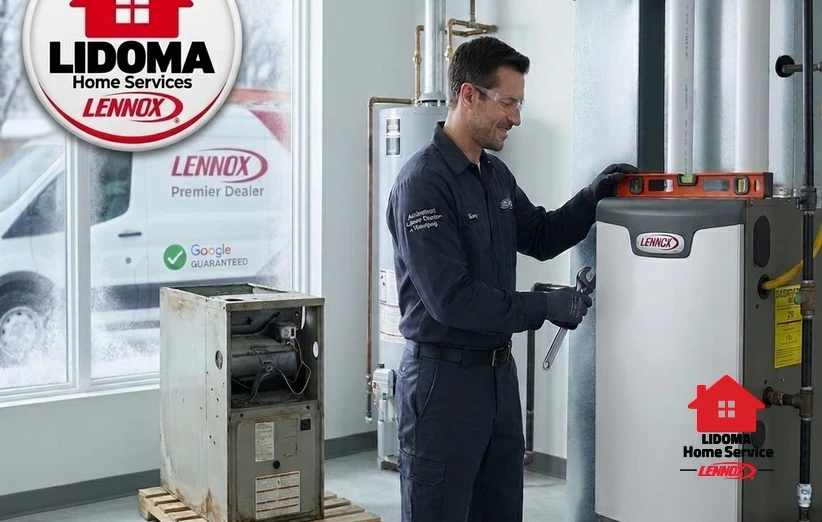
- A verifiable track record: A real address, a real phone number, an active online presence, and reviews you can actually read. Equipment brand matters here too — established manufacturers such as Lennox back their furnaces with parts networks and warranty support, which counts over a 15-to-20-year ownership.
Why Homeowners Call LIDOMA Home Services
LIDOMA Home Services Ltd is a Winnipeg company based at 80 Lomond Blvd, serving homes and light commercial properties across the city and surrounding communities. Its technicians are certified, licensed, and insured, estimates for new equipment are free, and no-heat calls get priority when temperatures drop.
The company's services line up with each stage of furnace ownership:
- Keeping a working furnace healthy: A tune-up covers inspection of the burners, heat exchanger, thermostat, and controls, plus safety checks and performance testing — and if something's found, the same visit can diagnose and repair it. Learn more about furnace tune-up and repair.
- Preventive cleaning: Furnace cleaning covers the blower assembly, burners, flame sensor, heat exchanger cabinet, and filter check.
- Planning a replacement: For furnaces at the end of the road, furnace installation in Winnipeg starts with an in-home assessment and heating load calculation, followed by a written quote, removal of the old unit, and a full test and walkthrough before the crew leaves. LIDOMA installs systems from major manufacturers, and Lennox equipment features prominently in its recent project history and customer reviews.
Final Thoughts: Get Ahead of the First Cold Snap
Final Thoughts: Get Ahead of the First Cold Snap
An aging furnace almost never fails without warning. It complains first — in noise, in bills, in rooms that won't warm up.
If your furnace is past its early teens, needs repeat repairs, or has shown any of the safety signs above, have it assessed before winter makes the decision on your behalf. Plenty of furnaces genuinely just need a repair, and an honest technician will tell you which camp yours falls into.
If you'd like a straight answer about your furnace, book a furnace tune-up and repair visit with LIDOMA Home Services or call (204) 297-4420 — and get the assessment done while it's still your choice to make.