Heat Pump vs. Air Conditioner: The Ultimate Winnipeg Guide
Introduction and Core Differences : Pump vs. Air Conditioner
Author : M. Behnezad
Heat Pump vs. Air Conditioner: The Ultimate Winnipeg Guide
Living in Winnipeg, Manitoba, means preparing for some of the most extreme temperature swings in North America. From humid summers peaking above +30°C to brutal, wind-chilled winters dropping to a freezing -40°C, home comfort is a major monthly expense.
For decades, Winnipeg homeowners relied on the standard setup: a central Air Conditioner (AC) for the summer and a natural gas furnace for the winter. However, with rising carbon taxes, fluctuating utility rates, and a push toward energy efficiency, a new question is dominating the local market:
Should I buy a heat pump in Winnipeg, and can it actually survive our winters?
To make an informed decision, you must first understand the fundamental differences between these technologies, how they operate, and how they apply to the harsh Manitoba climate.
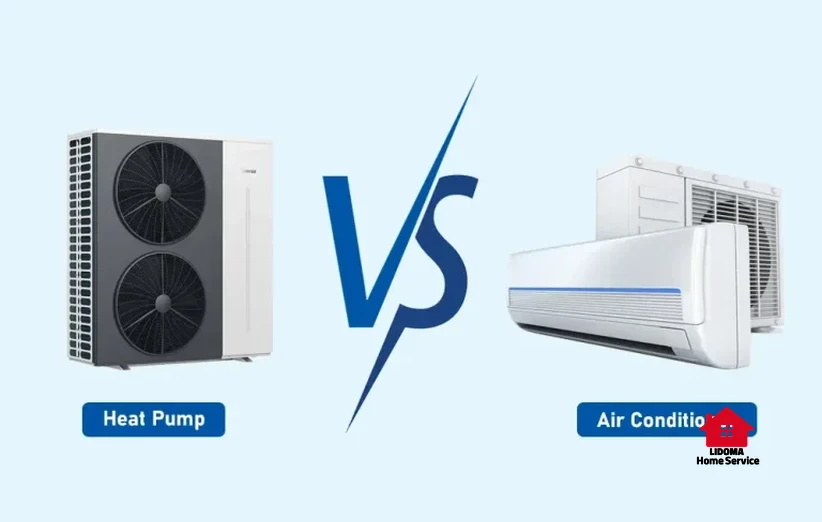
Heat Pump vs. Air Conditioner: The Technical Difference
At first glance, an outdoor heat pump unit looks identical to a standard air conditioner. They use the same footprint, the same electrical connections, and similar refrigerant lines. However, their internal mechanics and capabilities are vastly different.
Standard Air Conditioner (AC)
An AC is a one-way cooling system. It operates on a closed-loop refrigeration cycle designed solely to remove heat from inside your home and dump it outdoors:
* The Process: Liquid refrigerant absorbs indoor heat through the evaporator coil, turns into gas, travels to the outdoor compressor, releases the heat to the outside air, condenses back into liquid, and repeats the cycle.
* The Limitation: Once the summer ends, the AC sits completely idle. It cannot assist with heating during the other three seasons.
Heat Pump
A heat pump is a dual-action, two-way comfort system. It features a specialized reversing valve that changes the flow of the refrigerant depending on your thermostat settings:
* Summer Mode: It functions exactly like a standard air conditioner, extracting indoor heat and releasing it outside.
* Winter Mode: It reverses the cycle. It extracts ambient heat energy from the cold outdoor air—even at sub-zero temperatures—compresses it to raise the temperature, and blows that heat into your home.
* Efficiency Factor: Because heat pumps move heat rather than generating it (unlike electric baseboards or gas furnaces that create heat through combustion or resistance), they can achieve operating efficiencies of over 300% in optimal conditions.
The -40°C Winnipeg Winter Challenge & Cold-Climate Performance
Does a Heat Pump Work in a -40°C Winnipeg Winter?
This is the most common concern for Winnipeg homeowners. Traditional heat pumps were designed for milder climates (like Vancouver or the southern US) and would lose their heating capacity entirely once temperatures dropped below 0°C.
However, HVAC technology has advanced significantly with the introduction of Cold-Climate Heat Pumps (CCHPs).
The Physics of Cold-Climate Heat Pumps
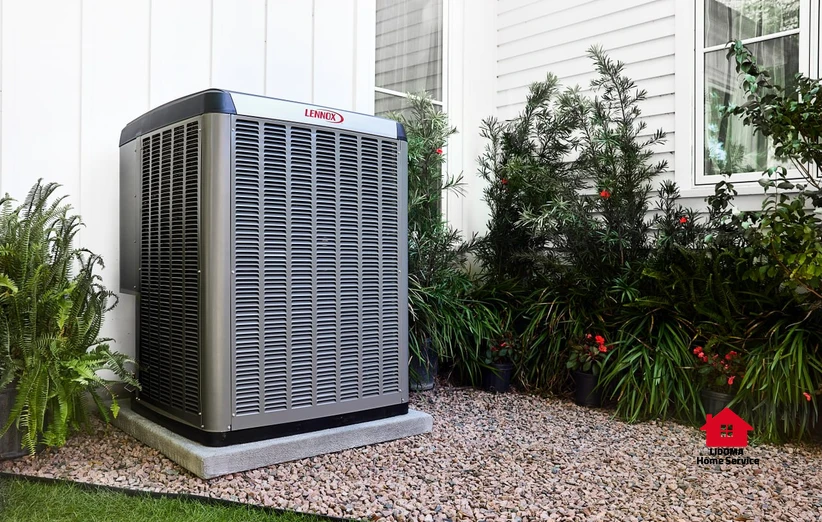
Modern CCHPs utilize variable-speed inverter compressors, advanced refrigerants, and intelligent defrost cycles. Brands like the Lennox Signature Series are engineered to provide reliable heat at 100% capacity down to -20°C, and can continue extracting heat at reduced efficiency down to -25°C or -30°C.
The Winnipeg Reality Check (-30°C to -40°C)
While a cold-climate heat pump can pull heat out of -25°C air, Winnipeg winters regularly experience polar vortex events where temperatures plunge to -35°C or -40°C (often lasting for weeks in January and February). At these extreme temperatures:
1. Loss of COP (Coefficient of Performance): As the outdoor temperature drops, the amount of heat energy available in the air decreases, forcing the compressor to work harder. The efficiency drops from 300% down to around 100% (equivalent to electric resistance heating).
2. Defrost Cycles: The outdoor unit must frequently run defrost cycles to clear ice buildup from the coils, temporarily reducing heating output.
3. Heating Capacity Deficit: The heat output of the heat pump may drop below the actual heat loss rate of your home, meaning it cannot keep up with the demand.
Therefore, a heat pump alone is NOT sufficient as a sole heating source for a standard Winnipeg home.
The Ultimate Strategy – Dual-Fuel Systems
The Dual-Fuel System: The Perfect Match for Manitoba
To successfully run a heat pump in Winnipeg, you need a Dual-Fuel System (also known as a Hybrid Heating System). This setup pairs an electric cold-climate heat pump with a high-efficiency natural gas furnace.
[ Outdoor Heat Pump ]
│
Is temperature above -20°C?
├─── YES ──> [ Heat Pump Runs ] (High Efficiency Electric)
└─── NO ──> [ Gas Furnace Runs ] (Reliable Gas Heat)
By utilizing a smart thermostat, the system automatically switches between the two energy sources based on the outdoor temperature:
1. Moderate Cold (Above -20°C)
During spring, autumn, and mild winter days, the outdoor heat pump handles the heating. It runs electrically at ultra-high efficiency, keeping your home warm while your gas furnace remains off. This significantly reduces your carbon footprint and gas consumption.
2. Extreme Cold (Below -20°C)
When the temperature drops below the designated "economic balance point" (usually between -15°C and -20°C depending on local utility rates), the thermostat automatically shuts off the heat pump and turns on your natural gas furnace. The furnace easily handles the extreme -40°C cold snaps, ensuring your family stays safe and warm.
Cost Analysis, Efficiency Rates, and rebates
Financial Analysis: Operating Costs in Winnipeg
Understanding the financial impact of switching to a heat pump in Manitoba requires comparing local electricity rates with natural gas rates.
Manitoba Hydro Rates & The Math
In Manitoba, electricity is relatively inexpensive compared to other Canadian provinces because of our abundant hydroelectric power. However, natural gas remains a highly cost-effective heating fuel.
- Spring & Fall (High Efficiency Window): When outdoor temperatures are between -5°C and +10°C, a cold-climate heat pump operates at a Coefficient of Performance (COP) of 3.0 to 4.5. This means for every $1 of electricity put in, you get $3 to $4.50 worth of heat. At this range, running the heat pump is cheaper than burning natural gas.
- Deep Winter (Gas Dominance): Once the temperature drops below -20°C, the COP of the heat pump drops close to 1.0 to 1.5. At this point, switching to a high-efficiency gas furnace (96%+ AFUE) is much more cost-effective.
Energy Efficiency Rebates (Manitoba Hydro & Federal Programs)
To offset the initial installation costs, homeowners should look into available rebates. Programs like Manitoba Hydro’s Energy Efficiency initiatives or federal green energy grants often offer substantial incentives for installing qualified cold-climate heat pumps.
* Note: Always check with a licensed contractor like Lidoma Home Services to verify which systems qualify for active rebates before making a purchase.
Pros & Cons & Final Verdict
Pros and Cons of Heat Pumps in Winnipeg
Before making the investment, weigh the advantages against the unique challenges of the Manitoba climate.
The Pros
- Year-Round Comfort: A single system provides premium cooling in the summer and highly efficient heating in the shoulder seasons.
- Lower Carbon Footprint: By offseting gas combustion with clean Manitoban hydroelectricity, you drastically reduce your home’s greenhouse gas emissions.
- Quiet Operation: High-end models (like the Lennox Signature series) operate at whisper-quiet levels (57-58 dB).
- Space Saving: Slim, side-discharge heat pumps take up to 40% less space than traditional AC units, ideal for narrow city lots in Winnipeg.
The Cons
- Higher Upfront Cost: A cold-climate heat pump costs more upfront than a standard central air conditioner.
- Backup Required: You cannot safely run a heat pump in Winnipeg without a reliable backup heating source (gas furnace or electric strip heat).
- Install Complexity: Proper sizing and configuration are critical; a poorly sized heat pump will short-cycle in summer or underperform in winter.
The Verdict: Is a Heat Pump Worth It in Winnipeg?
Absolutely. If your current air conditioner is nearing the end of its lifespan (10-15 years old) and you want to reduce your fossil fuel reliance, upgrading to a Dual-Fuel Heat Pump System is a highly smart, future-proof investment.
While it won't completely eliminate your need for a gas furnace during the coldest weeks of January, it allows you to bypass expensive gas heating for a massive portion of the year (all of spring, autumn, and milder winter days).
Ready to Upgrade Your Home Comfort?
Don't guess when it comes to your home's HVAC system. Contact Lidoma Home Services today for a professional home assessment. Our certified experts will help you choose the perfect system for your budget, maximize your local energy rebates, and ensure your home stays cozy through every Winnipeg winter.