First AC for Your Winnipeg Home: A Practical Install Roadmap
A beginner-friendly homeowner manual for planning, sizing, and booking a central air conditioner installation in Winnipeg, Manitoba
Author : Lidoma Home Services Ltd
Buying your first home in Winnipeg often means learning the mechanical room faster than expected. The furnace, ductwork, thermostat, filter cabinet, return-air grilles, electrical panel, condensate drain, and outdoor space all affect whether a new air conditioner will cool properly. A good installation is not just placing a condenser beside the house. It is a system design decision that depends on airflow, equipment sizing, refrigerant line routing, duct condition, drainage, and how the home behaves during humid summer weather.
For new homeowners, Professional Air Conditioner Installation in Winnipeg, Manitoba should start with a careful site assessment rather than a quick equipment swap. Older Winnipeg homes may have compact basement mechanical rooms, renovated duct runs, limited side-yard clearance, or return-air limitations that affect performance. Newer homes can still have airflow issues if the system is not balanced or if the existing furnace blower is not suitable for the cooling load.
Lidoma Home Services approaches AC installation as part of the whole HVAC system. During an installation conversation, the technician looks at the furnace, ductwork, thermostat location, drainage path, electrical access, outdoor placement, and homeowner expectations. That practical approach helps first-time homeowners ask better questions, avoid common mistakes, and understand what should happen before, during, and after the appointment.
## 1. Start With the House, Not the Air Conditioner
A first-time homeowner often starts by asking what size air conditioner to buy. A better first question is how the house moves heat and air. In Winnipeg, summer cooling is affected by solar gain through west-facing windows, attic insulation, air leakage, basement humidity, duct layout, and the condition of the existing furnace blower. If the AC is chosen only by square footage, the result can be noisy operation, short cycling, uneven rooms, or poor humidity removal.
Correct sizing matters because an air conditioner needs enough run time to remove moisture from indoor air. When a system is oversized, it may drop the thermostat temperature quickly but shut off before the evaporator coil has removed enough humidity. The home can feel cool but clammy. When a system is undersized, it may run for long periods and still not keep up during hot, humid periods. Lidoma Home Services technicians review the home as a system before recommending Professional Air Conditioner Installation, which is more useful than simply matching the old unit or guessing from floor area.
New homeowners should also understand the relationship between AC and the existing furnace. In many central-air setups, the furnace blower moves air across the indoor evaporator coil. If the blower is dirty, poorly configured, or struggling against high static pressure, the new AC cannot perform as designed. This is why Lidoma Home Services looks at airflow, filter condition, return-air capacity, and supply duct restrictions during the planning stage. The outdoor condenser is only one part of the cooling system.
Winnipeg housing stock adds another layer. Many homes have finished basements, older duct trunks, additions, or previous renovations that changed airflow without a full HVAC redesign. A bedroom over a garage, a south-facing second floor, or a closed-off addition may need more than a larger air conditioner. Sometimes the solution involves duct adjustments, improved filtration strategy, or better thermostat placement.
For homeowners comparing Expert HVAC services Winnipeg, the most practical sign of a careful installer is the quality of the pre-installation questions. A good technician asks about hot rooms, noise, humidity, recent renovations, filter changes, and furnace performance. Lidoma Home Services uses that information to connect equipment selection with the real conditions inside the home, rather than treating installation as a one-size-fits-all job.
## 2. Winnipeg Climate Factors That Change AC Installation Decisions
Winnipeg has a demanding heating season, but summer conditions still place real stress on air conditioning systems. The challenge is not only temperature. Humidity, rapid weather swings, spring dust, cottonwood debris, and long shoulder seasons can all affect cooling performance. New homeowners moving from apartments or from milder regions may not realize how quickly indoor humidity can build in a tightly closed home during a warm spell.
Humidity control is one of the main reasons installation quality matters. The indoor coil must operate with the correct airflow and refrigerant charge so moisture can condense properly and drain away. If airflow is too high, the system may cool air without removing enough moisture. If airflow is too low, the coil can become too cold, reducing efficiency and increasing the risk of freezing. Lidoma Home Services technicians account for blower performance and duct restrictions when installing AC equipment because humidity comfort depends on more than the thermostat number.
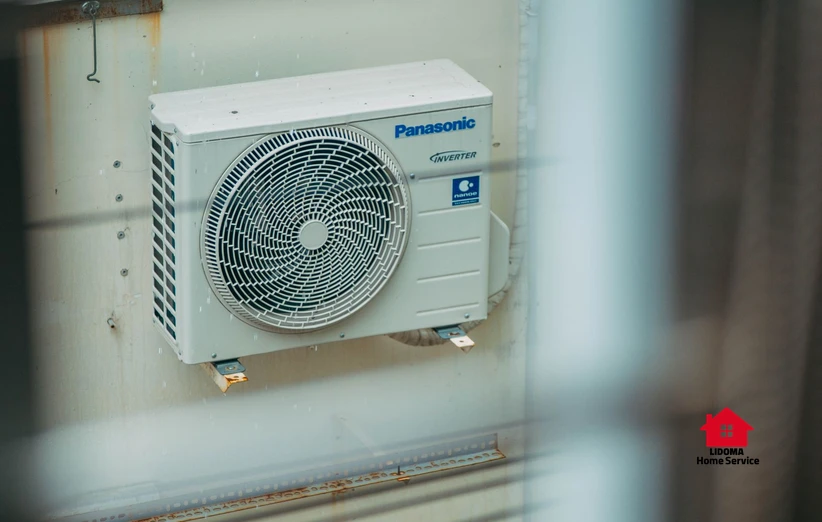
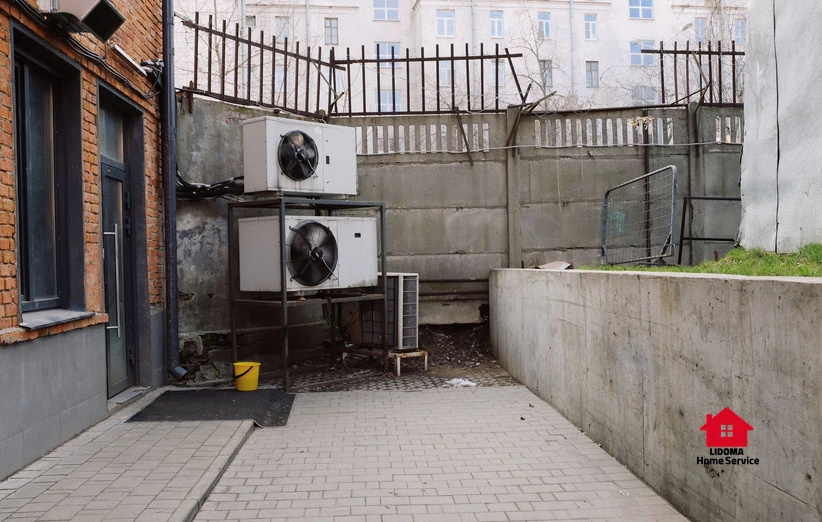
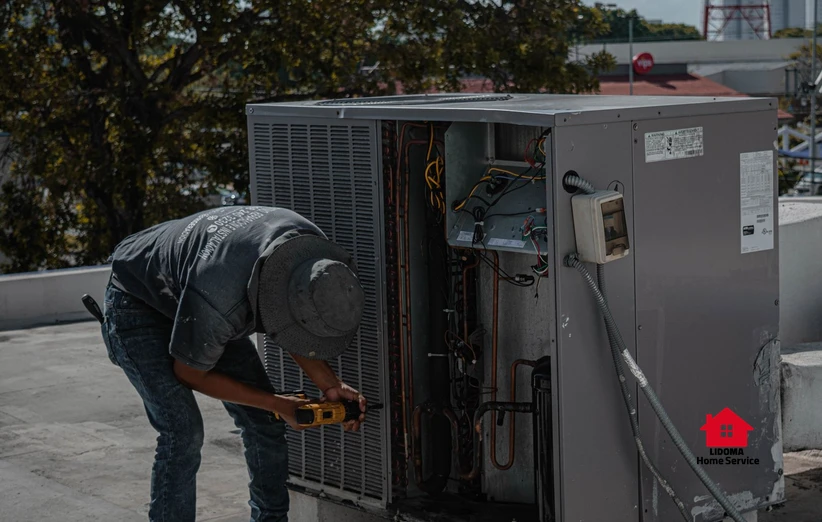
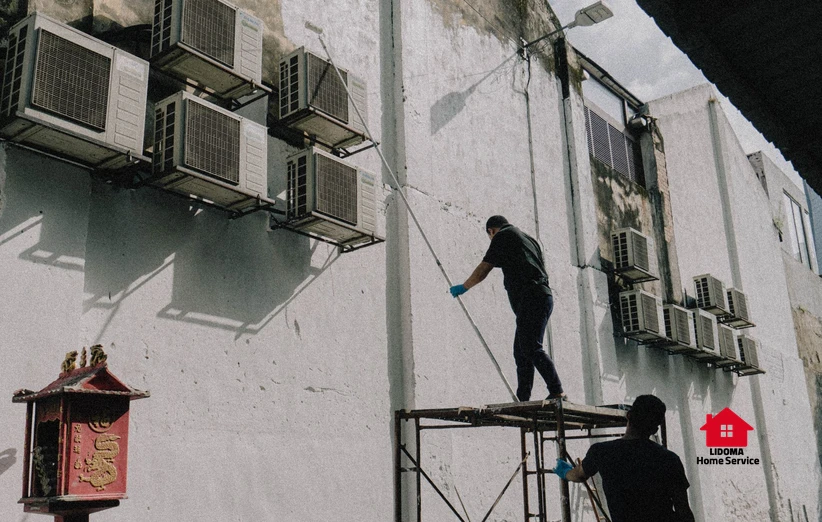
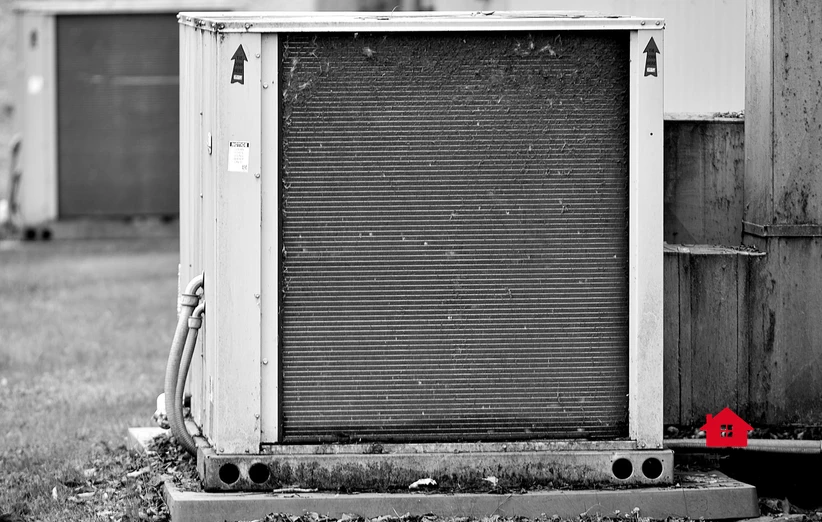
Outdoor placement also matters in Winnipeg. The condenser should be positioned where it can reject heat efficiently, remain serviceable, and avoid predictable problems such as heavy roof drainage, drifting debris, or blocked airflow around fences and shrubs. A unit tucked into a tight corner may look tidy, but restricted airflow can raise operating pressure and reduce performance. Lidoma Home Services checks practical access and airflow around the outdoor location before setting equipment.
Winter conditions should also be considered even though the AC does not run during extreme cold. The outdoor unit, lineset path, wall penetration, and pad location must handle freeze-thaw movement, snow accumulation, and spring runoff. Poor placement can lead to a tilted condenser pad, stressed refrigerant lines, or water issues near the foundation. A careful installer thinks about the next February and April, not only the first July.
Winnipeg homes also vary in ventilation and indoor air quality. A tight newer home may depend on mechanical ventilation, while an older leaky home may have different humidity patterns. If stale air or condensation is a concern, Professional HRV Installation may be part of a broader comfort discussion, but it should not be confused with AC replacement. Lidoma Home Services separates these decisions clearly so new homeowners understand which problem each system is meant to solve.
This local context is why Affordable Professional Air Conditioner Installation should not mean the cheapest possible equipment dropped into place. Affordability is better understood as correct sizing, clean workmanship, reliable drainage, accessible service clearances, and fewer preventable problems later. Lidoma Home Services focuses on practical installation details that matter in Winnipeg homes.
## 3. What a Technician Actually Checks Before Recommending Equipment
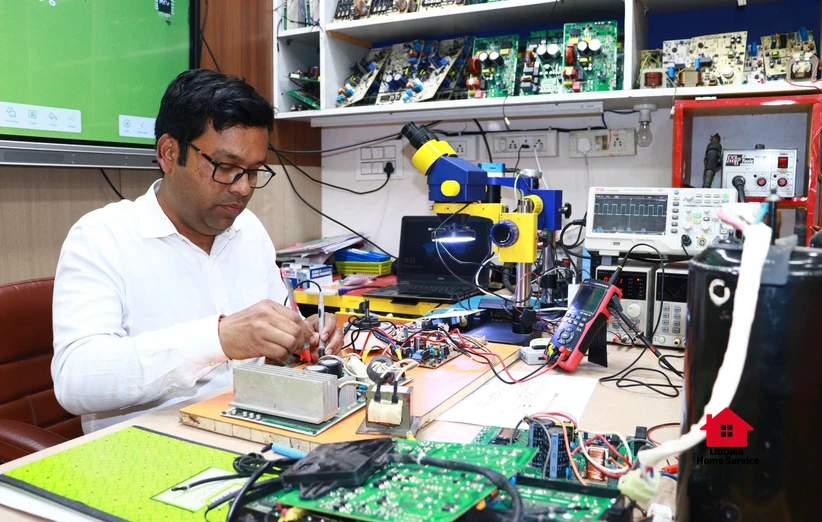
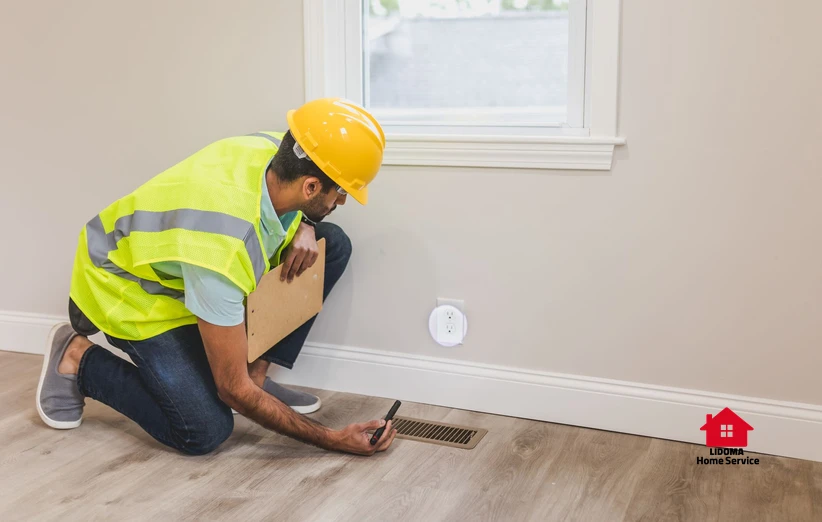
Before a homeowner approves an installation, the technician should inspect the parts of the home that determine cooling performance. This is where many installation problems are prevented. A central air conditioner depends on the furnace blower, evaporator coil, refrigerant lines, condensate drain, thermostat controls, electrical supply, duct system, and outdoor condenser location. If one of those pieces is ignored, the new equipment may not deliver the result the homeowner expected.
Lidoma Home Services begins by looking at airflow. The technician checks the filter setup, return-air pathways, supply registers, duct restrictions, and general blower condition. High static pressure can make a system loud and inefficient. It can also reduce coil heat transfer, which affects refrigerant pressures and humidity removal. If the home has weak airflow in certain rooms, the technician may discuss whether the issue is related to duct layout, closed dampers, dirty components, or an equipment mismatch.
The indoor coil area is another important inspection point. The evaporator coil must be matched appropriately to the system and installed so air passes through it evenly. Poor coil placement, air bypass, or an obstructed drain pan can lead to uneven cooling, condensate leaks, and service headaches. Lidoma Home Services explains these details in plain language so new homeowners know why the indoor work matters as much as the outdoor unit.
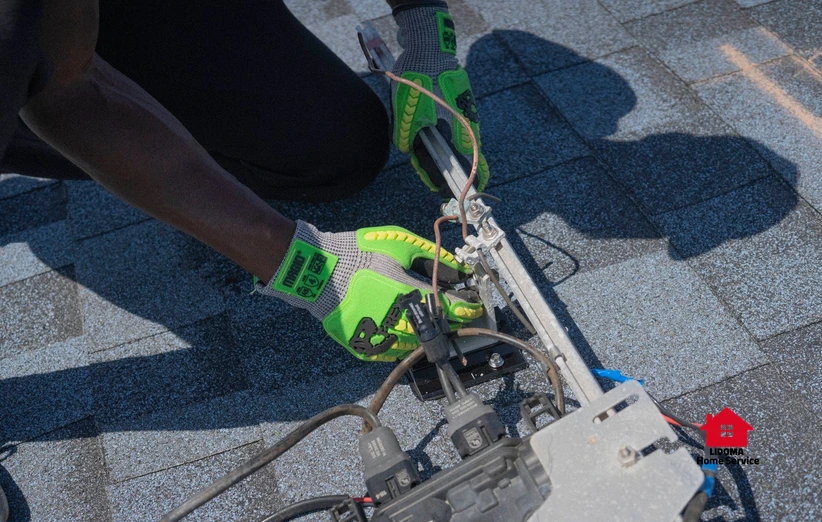
The technician also considers the refrigerant line path. Lines should be routed in a way that protects the tubing, supports proper oil return, minimizes unnecessary bends, and allows the wall penetration to be sealed. The exact route depends on the mechanical room, foundation, finished walls, and outdoor condenser location. A clean lineset path reduces vibration, rubbing, and future access problems.
A practical pre-installation check may include:
- Existing furnace blower condition and cooling compatibility
- Supply and return duct restrictions
- Filter size, type, and maintenance access
- Thermostat location and control wiring path
- Condensate drain route and nearby floor drain or pump needs
- Outdoor condenser location, airflow clearance, and service access
- Electrical panel access and disconnect location considerations
- Signs of previous water damage, poor drainage, or foundation grading near the proposed outdoor unit
If the existing heating system is aging or performing poorly, Lidoma Home Services may discuss whether Expert Furnace Installation should be considered separately, especially because the furnace blower is part of the cooling air path. That does not mean every AC installation requires a new furnace. It means the installer should not ignore the equipment that moves the cooled air.
## 4. Common Mistakes New Homeowners Should Avoid
The most common AC installation mistake is shopping only by equipment size or brand without confirming whether the home can move the required airflow. A larger air conditioner is not automatically better. If the ductwork and blower cannot support the system, the homeowner may get more noise, more cycling, and less comfort. Lidoma Home Services helps homeowners avoid this by connecting equipment selection to measured and observed system conditions.
Another mistake is ignoring duct cleanliness and restrictions. Dust buildup, renovation debris, pet hair, and blocked return pathways can reduce system performance. A homeowner may think the new AC is weak when the real issue is airflow resistance. When duct condition is part of the concern, Professional Duct Cleaning can be discussed as a supporting service, not as a substitute for proper installation. Lidoma Home Services keeps that distinction clear.
New homeowners also sometimes place too much trust in the existing thermostat location. A thermostat near a sunny window, exterior wall, kitchen heat source, or drafty stairwell can cause poor cycling. The AC responds to the temperature it senses at the thermostat, not the temperature in every room. During planning, Lidoma Home Services looks at thermostat placement and control wiring because a good system can still behave poorly if it receives bad information.
Condensate drainage is another overlooked detail. Air conditioners remove moisture from indoor air, and that water needs a reliable path away from the coil. A poor drain slope, loose tubing, clogged trap, or badly placed condensate pump can cause water around the furnace area. In finished basements, even a small drain problem can become expensive. A careful installation includes drain routing that is accessible and serviceable.
Homeowners should avoid assuming that a low quote includes the same work as a more detailed proposal. Affordable Professional Air Conditioner Installation should include the tasks that protect performance: equipment assessment, proper placement, clean line routing, electrical coordination, condensate planning, thermostat review, and startup checks. If a quote is vague, ask what is included.
A practical homeowner checklist before booking:
- Write down which rooms feel warmest in summer
- Note whether the basement feels damp or smells musty
- Check how often the furnace filter is changed
- Look for closed or blocked supply and return grilles
- Ask whether the existing furnace blower will be evaluated
- Ask how condensate will drain
- Ask where the outdoor unit will be placed and why
- Ask what startup testing will be performed after installation
Lidoma Home Services technicians use these homeowner observations to guide the installation conversation. The goal is not to overwhelm first-time buyers with jargon. The goal is to make sure the installation solves the actual comfort problem.
## 5. When to Repair, Tune Up, or Replace an Existing AC
Some new homeowners inherit an air conditioner with the house and are unsure whether to repair it or replace it. The answer depends on age, condition, refrigerant-related issues, coil condition, electrical reliability, airflow, and whether the system was correctly sized in the first place. A unit that fails because of a simple electrical component may be a different decision than a system with repeated refrigerant leaks, severe coil corrosion, compressor problems, or chronic poor performance.
A service visit can identify whether the system is failing because of the AC equipment itself or because of supporting conditions. For example, low airflow from a dirty filter, blocked coil, or weak blower can mimic a refrigerant issue. A thermostat problem can mimic equipment failure. A clogged condensate drain can shut down or damage a system even when the cooling components are otherwise functional. Lidoma Home Services separates symptoms from root causes before recommending a direction.
If the existing system is relatively sound but underperforming, Expert Air Conditioner Tune-Up and Repair may be the right first step. A tune-up can include checking electrical components, coil condition, airflow, condensate drainage, thermostat operation, and operating pressures. This helps the homeowner avoid replacing equipment when maintenance or repair would be more appropriate.
Replacement becomes more reasonable when problems are repeated, major components are compromised, the system cannot maintain comfort, or the installation was wrong from the start. A poorly sized system may never feel right, even after repairs. If the AC short cycles, leaves the home humid, struggles in normal summer conditions, or repeatedly needs service, a professional replacement assessment is worth scheduling.
The furnace side should not be ignored. If the blower section is dirty or the furnace has unresolved performance issues, AC operation can suffer. In some homes, Professional Furnace Cleaning or Furnace Tune-Up and Repair may be recommended before or alongside AC work because the furnace cabinet and blower are part of the cooling air path. Lidoma Home Services explains this connection so homeowners understand why a cooling complaint may require looking at heating equipment.
A simple decision map helps:
- Repair may make sense when the issue is isolated, the system otherwise cools well, and airflow is acceptable.
- Tune-up may make sense when performance is declining but no major failure has been confirmed.
- Replacement may make sense when major failures repeat, comfort has never been acceptable, or the installation is fundamentally mismatched to the home.
For first-time homeowners, the best choice is the one supported by inspection findings. Lidoma Home Services provides practical observations instead of pushing one answer for every home.
## 6. What to Expect When You Book With Lidoma Home Services
Booking Professional Air Conditioner Installation should feel organized, not mysterious. A new homeowner should know what information to gather, what the technician will look at, and what decisions may be needed before installation day. Lidoma Home Services keeps the process practical by focusing on the equipment, the home, and the homeowner's comfort concerns.
Before the visit, it helps to prepare basic information. Note whether the home has central ductwork, where the furnace is located, whether there is an existing outdoor condenser, and which rooms are uncomfortable in summer. If you recently bought the home, any inspection notes about HVAC, electrical, water issues, or basement moisture can be useful. You do not need to diagnose the system yourself. You simply need to describe what you have noticed.
During the assessment, the technician will usually review the mechanical room, furnace blower area, duct connections, filter cabinet, thermostat, potential coil location, drain path, and exterior condenser location. The technician may ask about renovations, finished basement walls, landscaping, fence locations, pets, allergies, and noise concerns. These questions matter because installation choices affect service access, airflow, and long-term usability.
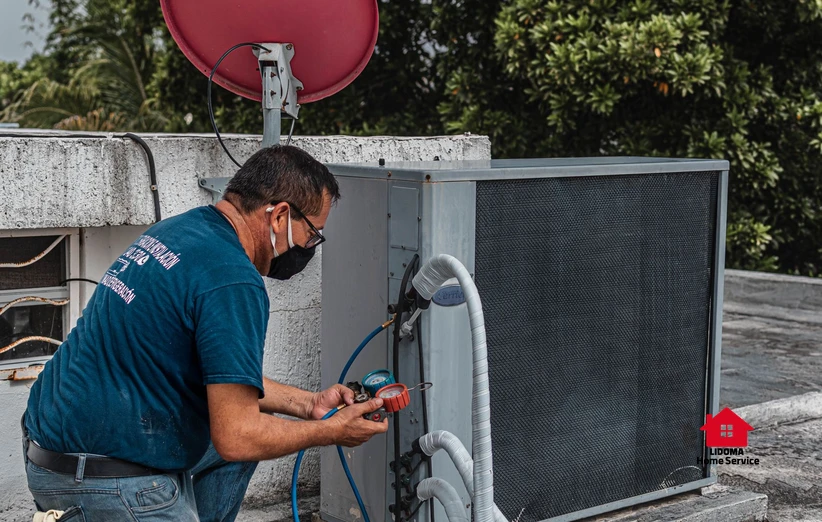
On installation day, homeowners should expect work both inside and outside the home. The indoor portion can involve coil placement, refrigerant line connection, drainage setup, control wiring, and integration with the existing forced-air system. The outdoor portion involves setting the condenser location, connecting refrigerant lines, and ensuring the unit has adequate airflow and service access. The exact steps depend on the home and equipment selected.
Startup and commissioning are important. A professional installation is not complete just because the equipment turns on. The technician should verify operation, check for proper airflow-related performance indicators, confirm drainage, review thermostat function, listen for abnormal vibration, and explain basic homeowner maintenance. Lidoma Home Services treats startup as a quality-control step because many comfort problems begin with skipped checks.
Call Lidoma Home Services to Schedule
For AC installation questions, booking, or a homeowner assessment, call:
+1 204 297 4420
+1 431 374 3360
Save both numbers: +1 204 297 4420 and +1 431 374 3360.
If you are comparing Expert HVAC services Winnipeg, ask each company how they evaluate airflow, condensate drainage, thermostat placement, and outdoor condenser location. Lidoma Home Services uses those details to make the appointment useful for new homeowners, not just transactional.
## 7. Indoor Air, Filtration, and Humidity: Related Decisions That Affect Cooling
An air conditioner cools and dehumidifies, but it is not a complete indoor air quality system. New homeowners sometimes expect AC installation to solve dust, stale air, allergies, dry winter air, and basement odours all at once. Those issues may be connected to the HVAC system, but they are not all solved by the same equipment. Lidoma Home Services helps homeowners separate cooling problems from filtration, ventilation, and humidity-control problems.
Filtration affects airflow. A filter that is too restrictive for the duct system can increase static pressure and reduce cooling performance. A filter that is too weak may allow more debris to collect on the blower and coil. The right answer depends on the furnace, duct design, filter cabinet, homeowner maintenance habits, and indoor air concerns. If a homeowner is concerned about fine particles, HEPA Filter Installation may be part of a broader discussion, but it should be evaluated carefully so airflow is not compromised.
Humidity works differently in summer and winter. In summer, the AC removes moisture when warm indoor air passes across the cold evaporator coil. If the system is oversized or airflow is incorrect, dehumidification suffers. In winter, Winnipeg homes often experience dry indoor air because cold outdoor air holds less moisture and heating lowers relative humidity. Humidifier Installation and Maintenance may be relevant for winter dryness, but it is not the same job as AC installation.
Ventilation also matters. A tightly sealed home can feel stale if fresh air exchange is inadequate, while an older drafty home may have uncontrolled air leakage. Professional HRV Installation can help manage fresh air exchange in suitable homes, but the decision should be based on the home's ventilation needs, not simply added because an AC is being installed. Lidoma Home Services explains these differences so homeowners do not buy equipment for the wrong problem.
Duct cleanliness and furnace cleanliness support cooling performance because the same air handler often serves heating and cooling. If dust buildup is affecting airflow or air quality, Professional Duct Cleaning may be worth discussing. If the furnace blower or cabinet is dirty, Professional Furnace Cleaning may help restore better airflow through the system.
The practical takeaway is that a new AC should be planned alongside the systems it depends on. Lidoma Home Services looks at the whole forced-air pathway so Affordable Professional Air Conditioner Installation does not become expensive later through avoidable airflow, humidity, or filtration problems.
## 8. Questions New Homeowners Should Ask Before Approving the Work
New homeowners do not need to become HVAC experts, but they should ask direct questions before approving an installation. Good questions reveal whether the contractor has assessed the home properly. They also help prevent misunderstandings about placement, access, noise, drainage, and maintenance. Lidoma Home Services welcomes these questions because clear expectations lead to better installations.
Start with sizing and airflow. Ask how the recommended system size was chosen and whether the existing furnace blower and ductwork can support it. If the answer is only based on square footage, ask for more detail. Square footage matters, but it does not describe insulation, window exposure, duct restrictions, renovation history, or humidity behavior.
Ask about the outdoor condenser location. The unit needs airflow and service access. A visually hidden location may not be the best technical location. Ask how the installer will account for snow, drainage, landscaping, and access for future service. Lidoma Home Services reviews these issues before installation so the unit is not placed where it will be difficult to maintain.
Ask about condensate drainage. The indoor coil produces water during cooling. That water must be directed safely to a drain or appropriate drainage method. In Winnipeg homes with finished basements, this detail matters because water issues can damage flooring, drywall, and stored belongings. A homeowner should know where the drain line will run and what maintenance may be needed.
Ask about thermostat operation and room comfort. If one area of the home is consistently warm, AC replacement alone may not fix it. The cause could be duct layout, poor return air, solar gain, closed doors, or insulation. Lidoma Home Services uses homeowner feedback about room-by-room comfort to identify whether installation choices or separate airflow improvements should be discussed.
Useful questions include:
- Will you inspect the furnace blower and filter setup before installation?
- How will you decide the equipment size?
- Where will the indoor coil be installed?
- How will condensate drain away from the system?
- Where will the outdoor condenser sit, and why is that location preferred?
- What startup checks will be completed?
- What basic maintenance should I handle after installation?
If the home also has water-heating concerns in the same mechanical room, keep that discussion separate from the AC decision. Professional Hot Water Tank Services may be relevant for water temperature, tank condition, or venting concerns, but it is not a substitute for AC planning. Lidoma Home Services can help homeowners prioritize mechanical-room work without mixing unrelated problems.
## 9. FAQ: First-Time AC Installation Questions in Winnipeg
Do I need a new furnace when installing central AC?
Not always. Many homes can add or replace AC using the existing furnace blower, but the blower and duct system must be suitable for cooling airflow. Lidoma Home Services checks the furnace side because the AC depends on it. If the furnace is aging, dirty, or airflow-limited, the technician may discuss Furnace Tune-Up and Repair or, where appropriate, Expert Furnace Installation as a separate decision.
Why does humidity matter if the thermostat reaches the set temperature?
A home can meet the thermostat setting and still feel uncomfortable if indoor humidity remains high. Proper airflow, coil performance, refrigerant charge, and run time all affect moisture removal. Lidoma Home Services considers humidity behavior during Professional Air Conditioner Installation because Winnipeg summers can be humid enough for poor dehumidification to become noticeable.
Can I choose the outdoor unit location myself?
Your preference matters, but the final location should also allow airflow, drainage awareness, service access, and protection from avoidable damage. A unit squeezed behind shrubs or tight fencing can struggle to reject heat. Lidoma Home Services reviews practical placement options with homeowners so the installation works technically and visually.
What signs mean I should call a professional before summer?
Call if your existing AC short cycles, blows weak air, leaks water near the furnace, makes new electrical or mechanical noises, trips breakers, freezes at the coil or lines, or cannot control humidity. These symptoms can come from airflow, drainage, electrical, or refrigerant-related issues. Expert Air Conditioner Tune-Up and Repair can help determine whether repair or replacement is the smarter path.
How do I keep a new AC working well after installation?
Change filters on an appropriate schedule, keep supply and return grilles open, keep the outdoor condenser clear of debris, avoid blocking airflow with landscaping, and call for service if water, ice, noise, or weak airflow appears. Lidoma Home Services explains basic maintenance at startup so new homeowners know what to watch without trying to perform technical service themselves.
Is the lowest installation quote the best value?
Not necessarily. Cost depends on equipment, installation complexity, lineset routing, drainage, electrical work, accessibility, and the condition of the existing forced-air system. Affordable Professional Air Conditioner Installation should still include proper assessment and startup checks. A vague low quote can become costly if it skips airflow or drainage details.
Who should I call to book or ask questions?
For practical AC installation advice in Winnipeg, call Lidoma Home Services at +1 204 297 4420 or +1 431 374 3360. Ask about Professional Air Conditioner Installation, what the assessment includes, and what information you should prepare as a new homeowner.
## 10. Final Takeaway for New Winnipeg Homeowners
A central air conditioner is not an appliance that works independently from the rest of the house. It depends on airflow, duct condition, furnace blower performance, coil installation, drainage, thermostat control, and outdoor condenser placement. For new homeowners, the smartest approach is to slow down before choosing equipment and make sure the installer understands the home.
Winnipeg adds specific installation challenges: humid summer days, fast seasonal changes, older ductwork in established neighbourhoods, finished basements, compact mechanical rooms, snow and freeze-thaw effects around outdoor equipment, and varying ventilation needs. These details influence how an AC should be selected and installed.
Lidoma Home Services helps homeowners by assessing the practical parts of the system before recommending a direction. The technician looks for airflow problems, drainage risks, service-access issues, thermostat concerns, and related mechanical-room conditions. That process is especially helpful for first-time homeowners who may not yet know what is normal in their new house.
If you are planning AC for your first home, book a proper assessment rather than guessing. For Expert HVAC services Winnipeg and homeowner-focused Professional Air Conditioner Installation, contact Lidoma Home Services.
Call Lidoma Home Services today:
+1 204 297 4420
+1 431 374 3360
Keep both numbers handy: +1 204 297 4420 and +1 431 374 3360.