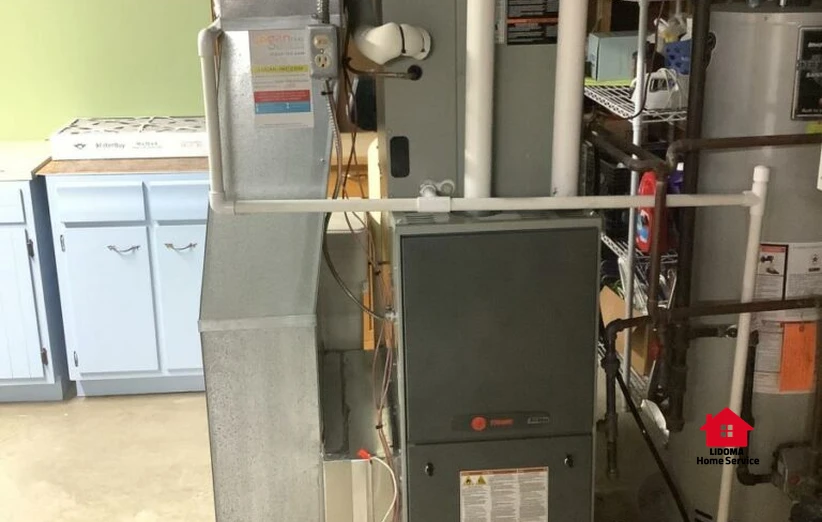
How HRV Airflow Reduces Furnace Load in Winnipeg Homes
A practical energy-efficiency manual for Winnipeg homeowners comparing airflow, heat recovery, humidity, and system load
Author : M. Behnezad
Winnipeg homes need fresh air, but uncontrolled fresh air can be expensive. In winter, every cubic foot of cold outdoor air that leaks in through gaps, bath fans, dryer vents, rim joists, or poorly balanced ductwork has to be heated by the furnace. In summer, outdoor humidity can add latent load to the cooling system. A properly selected and commissioned heat recovery ventilator, or HRV, helps manage that exchange instead of leaving it to random leakage.
Professional HRV Installation is not just about mounting a box in the mechanical room. It involves airflow design, duct routing, balancing, condensate management, controls, and coordination with the furnace blower and existing duct system. When those details are handled correctly, the HRV can improve ventilation while reducing unnecessary system strain. When they are handled poorly, the home may still feel stale, dry, drafty, or expensive to heat.
Lidoma Home Services approaches HRV work as part of the whole HVAC system. Their technicians look at airflow paths, static pressure, grille placement, duct restrictions, humidity patterns, and how the HRV interacts with the furnace, filters, and household exhaust appliances. For homeowners searching for Expert HVAC services Winnipeg, the real value is not a slogan; it is the technical setup that helps the equipment do its job.
Call Lidoma Home Services for HRV questions or booking
Phone: +1 204 297 4420
Phone: +1 431 374 3360
For questions about HRV sizing, stale air, window condensation, frost concerns, or Affordable Professional HRV Installation options, call +1 204 297 4420 or +1 431 374 3360.
Why controlled ventilation matters more in Winnipeg than in milder climates
Winnipeg homes deal with a large temperature difference between indoors and outdoors for a significant part of the heating season. That difference drives stack effect: warm indoor air rises and escapes through the upper levels of the home while cold outdoor air is pulled in at the basement, rim joists, sill plates, attached garage transitions, and other leakage points. The furnace then has to heat that infiltrating air, even though it entered the home without filtration, heat recovery, or measured distribution. An HRV changes the equation by moving air through a controlled heat exchanger instead of relying only on accidental leakage.
A heat recovery ventilator transfers heat from outgoing stale air to incoming fresh air. It does not create free heat, and it does not replace a furnace, but it can reduce the penalty of ventilation compared with opening windows or letting leakage do the work. In an older Winnipeg house with a basement mechanical room, finished renovations, and mixed duct upgrades over time, uncontrolled leakage can create uneven rooms and unpredictable pressure zones. A professionally designed HRV system gives the home a known intake, a known exhaust path, and adjustable airflow rates.
The energy-efficiency benefit depends heavily on balance. If the HRV exhausts more air than it supplies, the home can go under negative pressure and pull in cold air through cracks, chimney paths, or the building envelope. If it supplies more air than it exhausts, indoor moisture can be pushed into wall cavities during cold weather, where condensation risks become more serious. Lidoma Home Services uses airflow measuring tools such as flow hoods, vane anemometers, manometers, and pressure checks to reduce guesswork during setup. That process is more useful than simply connecting ducts and assuming the factory setting is correct.
Winnipeg humidity swings also matter. During cold weather, too much indoor humidity can show up as window condensation, frost at door frames, or damp corners behind furniture. Too little humidity can make occupants uncomfortable and can affect wood trim, flooring, and static electricity. HRV operation has to be matched to the house, the number of occupants, cooking and bathing patterns, and whether the home also has Humidifier Installation and Maintenance equipment. A well-configured HRV helps exchange stale indoor air without treating ventilation as a one-speed solution for every season.
This is why Professional HRV Installation in Winnipeg, Manitoba should be viewed as an energy and airflow project, not a simple appliance swap. Lidoma Home Services technicians assess the home as a pressure system. They consider whether the furnace blower can support the ventilation strategy, whether return ducts are restrictive, whether bathrooms already have strong exhaust fans, and whether fresh-air duct insulation is adequate for cold-weather operation. That kind of local context is what homeowners should expect from Expert HVAC services Winnipeg.
How HRV airflow can reduce furnace load without sacrificing fresh air
The furnace load in a home is affected by heat loss through walls, ceilings, windows, basement areas, and air leakage. Ventilation is part of that load because outdoor air must be warmed to indoor temperature. Without an HRV, fresh air may enter through random openings at outdoor temperature. With a properly installed HRV, incoming air passes beside outgoing warm air in the heat exchanger core, allowing a portion of the heat to be transferred before the fresh air enters the living space. The result is not a guaranteed utility-bill number, because every home is different, but it can reduce wasted heating compared with uncontrolled ventilation.
Airflow rate is the first major factor. Too much ventilation increases heating demand and can overdry the home in winter. Too little ventilation leaves pollutants, odours, humidity, and carbon dioxide to accumulate. The right target depends on home size, occupancy, layout, and how tight the building envelope is. Lidoma Home Services evaluates these variables instead of setting every HRV to the same fan speed. Their technicians check whether bedrooms are receiving fresh air, whether stale-air pickup locations are effective, and whether the system can run continuously or intermittently without creating drafts.
The second factor is duct resistance. Long duct runs, crushed flex duct, undersized grilles, sharp elbows, dirty exterior hoods, and restrictive balancing dampers can all reduce actual airflow. When airflow drops, the HRV may run for long periods without delivering the intended ventilation. That wastes fan energy and can leave the homeowner thinking the equipment is underperforming. Lidoma Home Services checks static pressure and actual delivered airflow so the system is not judged only by the nameplate rating. For energy efficiency, delivered airflow matters more than advertised airflow.
The third factor is integration with the furnace air handler. Some HRV designs connect to the return side of the duct system, while others use dedicated supply and exhaust ducting. Each approach has trade-offs. A return-duct connection can simplify distribution but may require furnace blower operation to move fresh air evenly. Dedicated ducting gives more direct control but needs careful routing and grille placement. If the furnace blower runs more often than necessary, electrical consumption and noise can increase. If it does not run when needed, fresh air may not reach the intended rooms. Lidoma Home Services reviews blower interaction as part of HRV setup, especially in homes where the furnace also supports filtration or humidification.
The fourth factor is heat exchanger core condition and frost management. In very cold weather, moisture in outgoing indoor air can freeze inside the HRV if frost control is not operating properly. Frost buildup restricts airflow, reduces heat transfer, and can cause nuisance shutdowns or water issues when thawing occurs. Professional setup includes checking drain slope, condensate routing, exterior hood placement, insulation, and manufacturer-appropriate controls. Affordable Professional HRV Installation should never mean skipping these details; it should mean installing the system in a way that avoids avoidable callbacks, energy waste, and homeowner frustration.
Winnipeg house types, duct constraints, and humidity patterns that change HRV performance
Many Winnipeg homes were not built with a modern HRV in mind. Older bungalows may have compact basement mechanical rooms, low joist bays, finished ceilings, asbestos-era renovation history, or duct trunks that have been modified over decades. Newer homes may be tighter and more dependent on mechanical ventilation, but they can still suffer from poor room-to-room distribution if supply and exhaust locations are not planned carefully. The installation strategy should match the house, not the other way around.
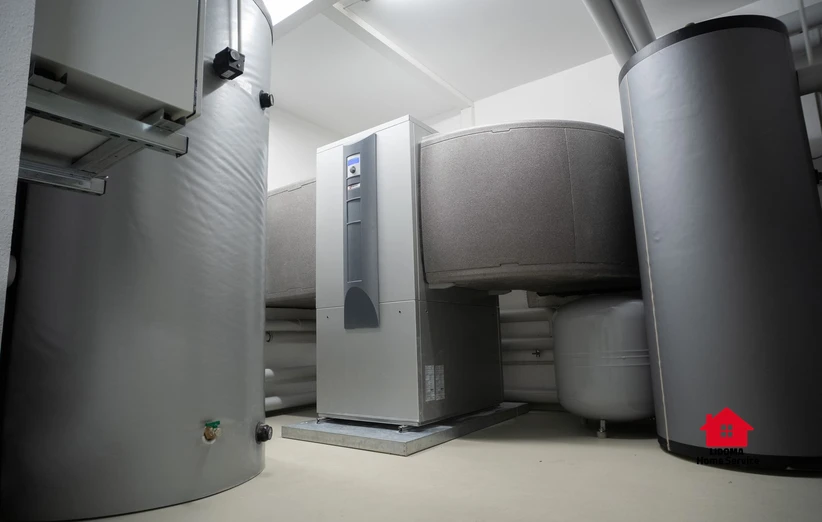
Basement mechanical rooms are often the most practical HRV location, but they are not automatically ideal. The unit needs service access for filter cleaning, core removal, balancing ports, drain inspection, and future troubleshooting. If it is mounted too tightly against walls, above obstructions, or in a location where condensate drainage is awkward, maintenance becomes less likely. Lidoma Home Services considers access space, hanging support, vibration control, duct routing, and drain path during layout. Those practical decisions affect long-term efficiency because neglected filters and inaccessible cores reduce airflow and heat transfer.
Exterior hood placement is another Winnipeg-specific concern. Snow accumulation, prevailing winds, drifting near grade, dryer vent discharge, barbecue locations, and intake-to-exhaust separation all influence performance. An intake hood that gets blocked by snow or lint restricts airflow and can pull odours or contaminants into the system. An exhaust hood that short-circuits back into the intake reduces the quality of the fresh air being delivered. Lidoma Home Services checks the outside wall conditions and seasonal exposure before finalizing penetration locations.
Humidity behaviour varies by household. A large family that cooks often, dries laundry indoors, uses long showers, or has many houseplants can produce significant moisture. A small household in a leaky older home may experience very dry air during cold snaps. HRV controls should account for those patterns. Running the HRV aggressively during an already dry period can make the home feel uncomfortable, while under-ventilating a high-moisture home can lead to condensation and potential hidden moisture issues. If a home also uses Humidifier Installation and Maintenance equipment, the settings should not fight each other.
Duct cleanliness and furnace condition can also influence perceived HRV performance. If return ducts are dusty, filters are overloaded, or the blower compartment is dirty, homeowners may blame ventilation when the problem is actually air distribution. In some homes, Professional Duct Cleaning or Professional Furnace Cleaning may be relevant before or after HRV work, especially if renovations, pets, or long-term debris have affected airflow. Lidoma Home Services can look at the broader system so the HRV is not installed into a duct environment that already struggles to move air efficiently.
What Lidoma Home Services checks during an HRV efficiency assessment
A proper HRV assessment starts before equipment is selected. The technician needs to understand the home layout, number of occupants, existing exhaust fans, furnace model and blower arrangement, filter type, duct system condition, and homeowner concerns. Common concerns include stale air, cooking odours, window condensation, dry winter air, cold drafts near vents, or high heating run time after renovations. Lidoma Home Services treats these symptoms as diagnostic clues rather than assuming the same cause in every home.
The technician then evaluates potential airflow routes. This includes where stale air should be exhausted from, where fresh air should be introduced, and whether the existing duct system can support the plan. Kitchens, bathrooms, laundry areas, and central return locations all have different implications. Directly exhausting from high-moisture areas can be effective, but the HRV is not a substitute for all point-source exhaust needs. Supplying fresh air into occupied spaces or into the return duct requires careful balancing so the home does not develop pressure problems.
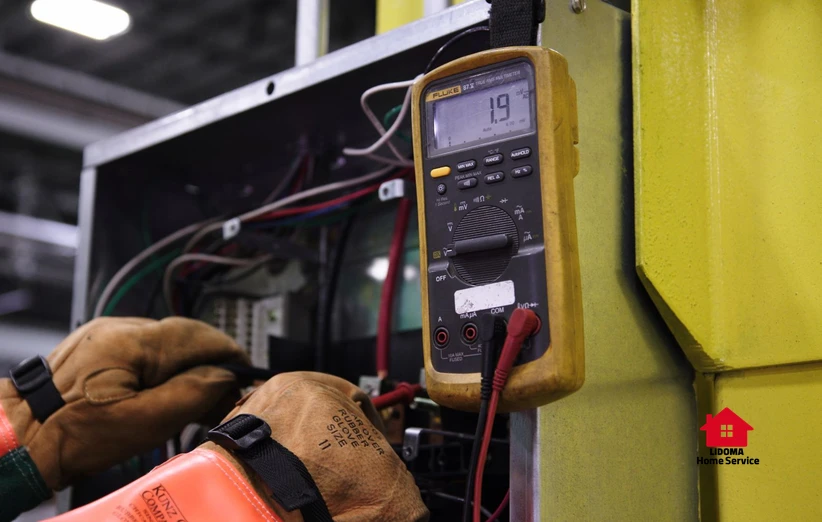
Measurement matters. Lidoma Home Services technicians may use a manometer to evaluate pressure, an anemometer or flow hood to estimate delivered airflow, a hygrometer to review indoor relative humidity, and temperature readings across the heat exchanger to see whether the system is transferring heat as expected. They also inspect filters, core condition, exterior hood restrictions, balancing dampers, condensate drainage, duct insulation, and control settings. These checks are practical because many HRV complaints come from installation details, not failed equipment.
Homeowners should expect questions during the visit. How many people live in the home? Are windows fogging only during extreme cold or most of the season? Does the home have a newly finished basement? Have any exhaust fans, dryers, or range hoods been upgraded? Was the furnace recently changed through Expert Furnace Installation? Has the air conditioner been upgraded through Professional Air Conditioner Installation? These changes can affect pressure balance, airflow, and how ventilation should be controlled.
The goal of the assessment is not to oversell equipment. It is to determine whether the home needs a new HRV, a better installation layout, cleaning, balancing, control adjustment, or repair. This is where Expert HVAC services Winnipeg should feel different from a quick quote. The useful outcome is a clear explanation of what is limiting performance and what work would actually improve energy efficiency, airflow, or humidity control.
Common installation mistakes that increase energy use or create drafts
The most common HRV mistake is treating duct connections as secondary. A heat recovery ventilator can only perform if air reaches and leaves the unit at the intended rate. Undersized ducting, excessive flex duct, poor transitions, and unnecessary elbows create resistance. That resistance lowers airflow, increases fan effort, and can cause the system to ventilate less than expected. Lidoma Home Services pays close attention to duct length, support, insulation, and termination details because airflow losses are often hidden behind finished ceilings and mechanical-room clutter.
Another mistake is failing to balance supply and exhaust airflow. An unbalanced HRV can affect the pressure of the entire home. Negative pressure may draw air down combustion appliance vents in unsafe configurations, pull garage odours into living areas, or increase cold-air infiltration. Positive pressure may push indoor humidity into exterior walls during cold weather. Homeowners may notice symptoms such as doors that pull, smoky fireplace behaviour, persistent drafts, or frost at unusual locations. Balancing is not a cosmetic step; it is part of making the system efficient and stable.
Control setup is also frequently overlooked. Some homes benefit from continuous low-speed ventilation with boost operation for showers or gatherings. Others need seasonal adjustment because winter dryness or condensation patterns change. If controls are confusing, occupants may simply turn the HRV off, eliminating the ventilation benefit. Lidoma Home Services explains control operation in plain language and checks that the homeowner understands when to use boost, how humidity-related controls behave, and when filter maintenance is due.
Drainage and insulation errors can cause expensive nuisance problems. HRVs remove moisture from outgoing indoor air during cold weather, and condensate must drain correctly. A sagging drain line, missing trap where required by the equipment design, poor slope, or freezing location can lead to water backup. Fresh-air and exhaust ducts passing through cold areas must be insulated and sealed to reduce condensation and heat loss. Lidoma Home Services checks these details because a water-stained mechanical room or frosted duct is usually a symptom of installation design, not normal operation.
Homeowners can reduce risk by watching for these warning signs after installation:
- New or stronger drafts near certain rooms or stairwells.
- Window condensation that gets worse instead of better.
- HRV filters loading unusually fast or staying strangely clean because airflow is too low.
- Exterior hoods blocked by snow, lint, leaves, or frost.
- No noticeable airflow at grilles during boost operation.
- Furnace blower running more often than expected after controls are changed.
- Water below the HRV cabinet or around the condensate line.
If these symptoms appear, it is worth calling a professional before assuming the whole unit is defective. Affordable Professional HRV Installation includes the idea that the installation should be serviceable, measurable, and adjustable. Lidoma Home Services uses diagnostic checks to separate duct issues, control issues, maintenance issues, and equipment faults.
Repair vs replacement: when an existing HRV can be improved and when it may be time to change it
Not every poorly performing HRV needs replacement. Many systems lose efficiency because filters are clogged, the core is dirty, balancing dampers have been moved, exterior hoods are blocked, controls are misunderstood, or ducts have become damaged during renovations. If the cabinet, motors, core, and controls are fundamentally sound, service and recommissioning may restore useful performance. Lidoma Home Services begins by identifying the failure point rather than assuming replacement is the only path.
Repair or adjustment may be reasonable when the unit starts reliably, airflow can be measured and corrected, the heat exchange core is intact, and the duct layout is basically workable. In that case, cleaning the filters and core, correcting drain issues, improving duct support, resealing accessible joints, replacing a failed control component, or rebalancing the system may be enough. If the home has recently had Furnace Tune-Up and Repair work, it may also be important to confirm that blower settings or duct changes did not alter ventilation performance.
Replacement becomes more relevant when the unit is repeatedly failing, parts are not practical to obtain, the heat exchanger core is damaged, motors are noisy or unreliable, the cabinet is corroded, or the system cannot meet the home’s ventilation needs. Replacement may also be appropriate when a renovation has changed the home’s layout, occupancy, basement use, or envelope tightness. A finished basement bedroom, new windows, air sealing, or added insulation can change moisture and ventilation requirements. Lidoma Home Services evaluates the new load and airflow conditions before recommending a replacement strategy.
The homeowner should also consider operating cost, not just installation cost. An older or poorly configured HRV may run longer than necessary, fail to recover heat effectively, or create pressure imbalances that increase furnace run time. A new unit installed poorly will not solve those problems. The efficiency benefit depends on correct selection, duct design, balancing, and maintenance access. That is why Professional HRV Installation should include commissioning, not just equipment placement.
Before deciding, ask the technician these questions:
- What specific measurement shows the HRV is underperforming?
- Is the problem airflow, heat recovery, controls, drainage, duct layout, or equipment failure?
- Can the existing ducts be reused without creating high static pressure?
- Will the furnace blower need to run with the HRV, and how will that affect operation?
- How will the system be balanced after the work is complete?
- What maintenance access will I have for filters, core cleaning, and drain inspection?
Lidoma Home Services gives homeowners a practical basis for the repair-or-replace decision. The recommendation should connect to symptoms and measurements, not vague claims. For a Winnipeg homeowner focused on efficiency, the best choice is the one that restores controlled ventilation while avoiding unnecessary heating load, moisture problems, and service headaches.
What to expect when you book an HRV appointment with Lidoma Home Services
When you contact Lidoma Home Services, expect the conversation to start with the symptoms you are noticing. A homeowner who calls about condensation may need a different approach than someone calling because bedrooms feel stale or the furnace seems to run often. The booking team may ask about the age of the home, whether an HRV already exists, whether the basement is finished, and whether recent renovations changed windows, insulation, ductwork, or exhaust fans. These details help prepare the technician for the actual site conditions.
During the appointment, the technician inspects the mechanical room, existing furnace and return duct arrangement, possible HRV location, exterior wall access, drain availability, and service clearance. If the home already has an HRV, the technician checks filters, core condition, fan operation, drain line, balancing dampers, grilles, exterior hoods, and control settings. If the home does not have an HRV, the technician evaluates where intake and exhaust runs could be routed without creating excessive resistance or maintenance problems.
A good appointment includes airflow thinking, not just equipment discussion. Lidoma Home Services looks at how air moves from room to room, whether interior doors restrict return paths, whether supply registers are poorly located, and whether existing duct restrictions could interfere with ventilation. If the home has high-efficiency filtration through HEPA Filter Installation or a restrictive furnace filter, that can affect blower performance and static pressure. The technician should understand those interactions before recommending a ventilation layout.
If installation is approved, homeowners should expect careful placement, supported duct runs, sealed joints, insulated cold-side ducts, proper exterior hoods, condensate drainage, control wiring, and system balancing. After installation, the technician should explain filter access, core cleaning, control settings, boost operation, and seasonal adjustments. Lidoma Home Services uses commissioning steps so the system is not left at default settings that may not match the home.
The appointment may also reveal related HVAC issues. For example, if the furnace blower is dirty, if the return system is restrictive, or if cooling-season humidity is a major issue, the technician may discuss options such as Professional Furnace Cleaning, Professional Duct Cleaning, or Expert Air Conditioner Tune-Up and Repair. These are not automatic add-ons; they are relevant only when they affect airflow, filtration, humidity, or system load. Homeowners should expect a clear explanation of why any related work matters.
Homeowner checklist: practical ways to keep HRV efficiency from slipping
An HRV is not a set-and-forget appliance. It moves air every day, and anything that restricts that air reduces performance. A small amount of dust on filters, lint at exterior hoods, or debris in a core can gradually lower airflow. When airflow drops, the unit may run without delivering enough fresh air, and the home may return to stale air, condensation, or drafts. Lidoma Home Services encourages homeowners to understand simple maintenance because an efficient installation still needs basic care.
Use this practical checklist through the year:
- Check HRV filters regularly and clean or replace them according to the equipment instructions.
- Look at the exterior intake and exhaust hoods after snow, wind, leaves, or dryer-lint buildup.
- Keep storage boxes away from the HRV cabinet so service panels can be opened.
- Watch for water below the unit or near the condensate line.
- Notice whether window condensation changes after control adjustments.
- Use boost mode during showers, heavy cooking, or gatherings if the controls are designed for it.
- Do not close or block HRV grilles without understanding how it affects balance.
- Call for service if airflow sounds change, the unit becomes noisy, or frost repeatedly appears where it should not.
Seasonal adjustment is important in Winnipeg. During deep cold, the HRV may need different operation than it does during shoulder seasons. A home that feels too dry in January may not need the same ventilation rate as it does during a humid fall period. However, turning the HRV off for long periods can allow pollutants and moisture to build up, especially in tighter homes. Lidoma Home Services explains control strategies so homeowners can make informed adjustments without defeating the purpose of the system.
It is also useful to coordinate HRV care with other HVAC maintenance. If a furnace filter is neglected, duct static pressure can rise and distribution can suffer. If air-conditioning maintenance is ignored, summer humidity control may decline, making the home feel damp even if ventilation is working. Services such as Furnace Tune-Up and Repair and Expert Air Conditioner Tune-Up and Repair can reveal airflow and blower issues that affect the whole system.
Homeowners should call a professional when symptoms persist after basic checks. Persistent condensation, repeated frost control issues, water leaks, odours entering through the HRV, poor airflow at grilles, or unexplained furnace run time changes deserve a diagnostic visit. Lidoma Home Services can measure airflow and pressure rather than relying on guesswork. That is the practical difference between simply owning an HRV and having a ventilation system that supports efficiency.
FAQ: HRV energy efficiency questions Winnipeg homeowners actually ask
Will an HRV lower my heating bill?
An HRV can reduce the heat penalty of ventilation compared with uncontrolled air leakage or opening windows, but no responsible contractor should promise a specific savings number without testing the home. The outcome depends on house tightness, airflow rate, duct design, heat exchanger condition, controls, and occupant behaviour. Lidoma Home Services focuses on the measurable items: balanced airflow, duct resistance, drain performance, control setup, and interaction with the furnace blower.
Can an HRV make my house too dry in winter?
Yes, if it is over-ventilating for the home’s conditions. Winnipeg winter air can be very dry once it is brought indoors and heated. If the HRV runs too aggressively, indoor relative humidity may fall below the homeowner’s comfort range. The solution is not automatically turning the HRV off; it may involve balancing, control adjustment, occupant education, or coordination with Humidifier Installation and Maintenance. Lidoma Home Services checks humidity patterns before recommending changes.
Why do my windows still have condensation if I already have an HRV?
Window condensation can come from high indoor humidity, poor window performance, closed blinds trapping cold air, blocked airflow, low surface temperatures, or an HRV that is not moving enough air. The HRV may also be unbalanced, dirty, incorrectly controlled, or affected by blocked exterior hoods. Lidoma Home Services investigates the cause by looking at humidity, airflow, and the building conditions around the windows instead of assuming one simple fix.
Should my HRV run all the time?
Some homes benefit from continuous low-speed operation, while others need scheduled or demand-based operation. The correct approach depends on tightness, occupancy, moisture generation, and controls. Running constantly at too high a rate can waste energy and dry the home. Running too little can leave stale air and moisture. A technician from Lidoma Home Services can explain the best operating pattern for your specific house and season.
Does an HRV help my air conditioner in summer?
An HRV is mainly designed for heat recovery, and summer humidity control depends on several factors. In some conditions, bringing in outdoor air can add moisture load that the cooling system must remove. Control strategy matters. If summer humidity or cooling performance is a concern, the HRV should be considered alongside the air conditioner, blower settings, duct leakage, and refrigerant-side performance. Professional Air Conditioner Installation and Expert Air Conditioner Tune-Up and Repair can be relevant when cooling capacity or humidity removal is part of the problem.
What is the biggest sign my HRV was installed incorrectly?
The strongest warning signs are persistent drafts, poor airflow at grilles, worsening condensation, repeated frost issues, noisy operation, water leakage, or a home that seems pressure-sensitive when doors, fans, or the furnace operate. These symptoms often point to balancing, duct design, controls, drainage, or exterior hood problems. Lidoma Home Services uses diagnostic tools to find the specific cause.
How do I choose a contractor for Affordable Professional HRV Installation?
Ask how the system will be sized, where ducts will run, how airflow will be balanced, how condensate will drain, how exterior hoods will be protected from blockage, and how controls will be explained. The lowest-cost option is not always affordable if it creates drafts, moisture problems, or high system load. Lidoma Home Services provides Professional HRV Installation with attention to airflow measurement, service access, and Winnipeg operating conditions.
Final thoughts and booking information
A good HRV installation helps a Winnipeg home breathe in a controlled way. The efficiency benefit comes from reducing random air leakage, recovering heat from exhaust air, balancing pressure, protecting airflow, and matching controls to real household habits. The equipment matters, but the installation details matter just as much.
For Expert HVAC services Winnipeg and practical HRV guidance, contact Lidoma Home Services.
Call +1 204 297 4420
Call +1 431 374 3360
Ask about Professional HRV Installation, airflow balancing, humidity concerns, and installation options that fit your home without fake savings promises.