Before the First Freeze: Furnace Installation Readiness in Winnipeg
A practical pre-winter planning manual for safer, more reliable heating in Winnipeg homes
Author : M. Behnezad
Winnipeg homeowners do not usually think about furnace replacement on a mild September afternoon, but that is exactly when the decision is easiest to make well. Once the first long cold spell arrives, a weak furnace is no longer a planning issue. It becomes a safety, reliability, and scheduling problem. Pre-winter preparation gives you time to check airflow, combustion, thermostat control, venting, filtration, and equipment sizing before your home is depending on the furnace every hour of the day.
For homes with aging equipment, uneven heat, frequent lockouts, noisy startup, or a furnace that has needed repeated repairs, pre-season planning may point toward Expert Furnace Installation in Winnipeg, Manitoba rather than another short-term fix. The goal is not to replace a furnace just because winter is coming. The goal is to understand whether the existing system can safely and reliably handle Winnipeg conditions, including deep cold, dry indoor air, long burner run times, and older duct layouts.
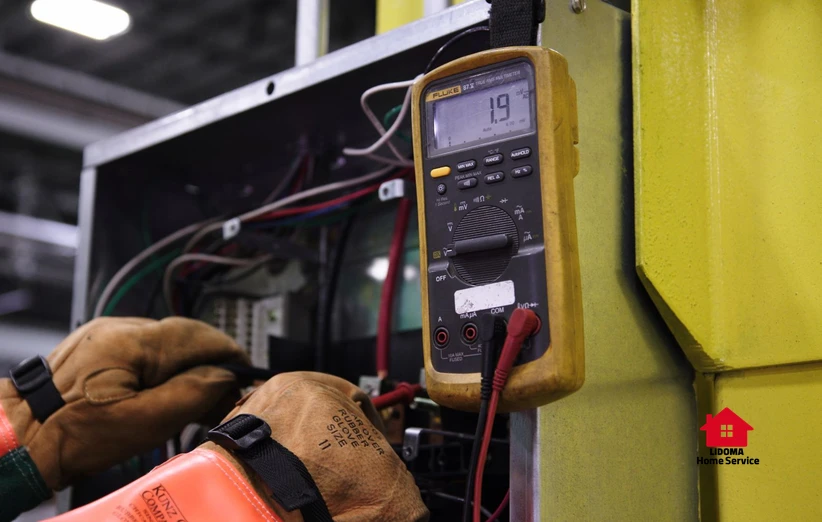
Lidoma Home Services approaches winter readiness as a technical inspection first and a recommendation second. Their technicians use diagnostic methods such as temperature-rise checks, airflow review, electrical testing, venting assessment, and furnace condition evaluation to help homeowners make informed choices. If replacement makes sense, Lidoma Home Services can discuss Affordable Expert Furnace Installation options without relying on guesswork or pressure.
Need pre-winter furnace help now?
Call Lidoma Home Services in Winnipeg:
+1 204 297 4420
+1 431 374 3360
Save both numbers before the first serious cold snap: +1 204 297 4420 and +1 431 374 3360.
Why pre-winter timing changes the quality of a furnace decision
A furnace decision made in October or early November is very different from one made during a no-heat emergency in January. Before winter fully settles in, homeowners have time to compare equipment options, review duct limitations, ask about installation details, and understand why a furnace is being recommended. During a severe cold snap, the priority often becomes getting heat back as quickly as possible, which can reduce the time available for careful system evaluation. That is why pre-winter preparation is one of the most practical ways to avoid rushed choices.
Winnipeg homes place heavy seasonal demand on heating equipment. A furnace may run for long cycles, short rests, and then another long cycle when outdoor temperatures drop sharply. That repeated operation stresses ignition components, blower motors, pressure switches, condensate drainage on high-efficiency equipment, and venting systems. If a furnace has marginal airflow in fall, winter will expose it. If a flame sensor is already contaminated, longer burner operation may make nuisance shutdowns more frequent. If return air is restricted, the heat exchanger may run hotter than intended. Lidoma Home Services uses a pre-season evaluation process to look for these issues before they become middle-of-the-night failures.
Pre-winter planning is also important because equipment sizing cannot be done responsibly by simply matching the old furnace label. Older Winnipeg houses may have had insulation upgrades, window replacements, basement renovations, additions, or duct modifications since the existing furnace was installed. Those changes affect heat loss, airflow demand, and comfort balance. Oversizing can cause short cycling, uneven temperatures, higher noise, and unnecessary wear. Undersizing can leave rooms struggling during deep cold. A proper discussion about Expert Furnace Installation should include how the home actually behaves, not just how many square feet it has.
The best pre-winter decisions also account for the air side of the system. Furnace performance depends on moving the right amount of air through the heat exchanger. A new furnace connected to restrictive ductwork can still suffer from excessive static pressure, poor temperature rise, and room-to-room imbalance. Lidoma Home Services technicians review supply and return airflow conditions and can explain when related work such as Professional Duct Cleaning or filter changes may help reduce avoidable restriction. They do not need to turn every visit into a full list of add-ons; the useful point is identifying which airflow issues are relevant to the heating decision.
Seasonal timing affects homeowner preparation too. Before winter, you can clear the mechanical room, locate old service records, note which rooms are coldest, and test the thermostat schedule without pressure. You can ask how long the installation is expected to take, what areas of the home need access, how the old equipment will be disconnected, and how startup testing is handled. Lidoma Home Services uses this planning time to walk homeowners through the sequence so the appointment feels organized rather than disruptive. That is especially helpful in Winnipeg basements where laundry areas, storage shelves, finished walls, and tight mechanical rooms can complicate access.
The phrase Expert HVAC services Winnipeg should mean more than a broad marketing claim. For a homeowner preparing for winter, it should mean a technician can explain airflow, combustion safety, venting, condensate management, controls, and comfort complaints in normal language. Lidoma Home Services focuses on that technical conversation early, so the final recommendation is tied to measurable conditions and homeowner priorities. If the furnace can be maintained for another season, that should be clear. If replacement is the safer and more reliable path, the reasons should also be clear.
Winnipeg climate and home construction details that affect furnace reliability
Winnipeg heating systems have to deal with more than cold outdoor air. The local challenge is the combination of long heating seasons, rapid temperature swings, dry indoor conditions, and a wide mix of housing styles. Many homes have basement mechanical rooms, older sheet-metal duct systems, finished basements with limited access, and return-air pathways that were never designed for modern filtration or high-efficiency equipment. These details matter because a furnace is part of a house system, not a standalone appliance.
Extreme cold increases both run time and consequence. When the furnace runs longer, small restrictions become larger operational problems. A dirty filter, undersized return drop, blocked supply register, or partially closed damper can raise static pressure and reduce airflow across the heat exchanger. The furnace may still produce heat, but it may run hotter internally, cycle on safety limits, or deliver weak airflow to distant rooms. Lidoma Home Services technicians evaluate these symptoms by looking at the system path from return grille to blower to supply trunk, rather than treating weak heat as only a thermostat issue.
Humidity is another Winnipeg-specific factor. Winter air can be very dry indoors, and dry air changes how heat feels to occupants. Some homeowners raise the thermostat because the air feels uncomfortable, even though the furnace is technically satisfying the setpoint. That can increase run time and energy use. A properly installed and maintained whole-home humidity solution can help, but only if it is compatible with duct layout and furnace operation. Where relevant, Lidoma Home Services may discuss Humidifier Installation and Maintenance as part of whole-system winter readiness, not as a substitute for solving furnace problems.
Ventilation also matters in tighter or renovated homes. Houses that have received new windows, insulation improvements, or air-sealing work may behave differently than they did years ago. Better enclosure performance can reduce heat loss, but it can also make controlled ventilation more important. In some homes, Professional HRV Installation may be relevant because an HRV helps manage fresh air while recovering heat from exhaust air. Lidoma Home Services considers ventilation as part of the broader heating picture when homeowners report stale air, condensation on windows, or uneven indoor conditions during winter.
Older ductwork can be one of the biggest obstacles to reliable furnace performance. A furnace replacement that ignores duct capacity may create noise, poor airflow, or premature component stress. Winnipeg homes with additions, converted spaces, or finished basements often have branch runs that were extended over time. Some rooms may have long supply runs and weak returns, while others overheat quickly. Lidoma Home Services reviews these constraints during pre-installation planning, using observations and airflow-focused diagnostics to identify where the house may limit the furnace. That helps set realistic expectations before a new system is installed.
Basement mechanical rooms also introduce practical installation issues. Access may be narrow. Venting routes may be shared in appearance but not actually compatible. Condensate drains may be located in awkward positions. Electrical service, gas piping, filter access, and clearance for future maintenance all need attention. Lidoma Home Services technicians plan around these physical details so the installed furnace can be serviced later without creating avoidable frustration for the homeowner. A neat installation is not just cosmetic; good access supports safer inspection, easier filter replacement, and more reliable service over the furnace life.
When to repair versus replace before winter starts
The repair-versus-replace question is not answered by age alone. A furnace can be old but still operating safely with manageable wear, or it can be newer and still have serious problems caused by poor installation, restricted airflow, water damage, electrical issues, or neglected maintenance. The pre-winter goal is to understand risk. If the current furnace is likely to operate safely and reliably through the heating season after service, repair may be reasonable. If there are repeated failures, safety concerns, poor heat exchanger condition, severe corrosion, or major performance limitations, replacement becomes more practical.
Homeowners should pay attention to patterns rather than one isolated symptom. A single failed ignitor can happen. Multiple no-heat events, frequent lockouts, burning smells that do not clear after startup, rumbling ignition, short cycling, or the blower running without effective heat are more concerning. Uneven heating that has worsened over time may indicate airflow deterioration, blower issues, duct restriction, or an incorrectly sized existing furnace. Lidoma Home Services evaluates the pattern of complaints and service history before recommending Furnace Tune-Up and Repair or replacement.
Combustion and heat exchanger condition deserve special attention. A furnace that burns fuel must vent combustion byproducts correctly. Problems with pressure switches, inducer motors, vent blockage, condensate drainage, or heat exchanger integrity are not comfort issues only; they can become safety concerns. Homeowners should not bypass safety switches, repeatedly reset a furnace without diagnosis, or ignore unusual burner operation. Lidoma Home Services uses professional diagnostic steps to check furnace operation as a system, including ignition sequence, flame sensing, pressure switch response, blower operation, and venting behavior.
Cost is part of the decision, but it should be discussed as a range of factors rather than a made-up number. The final cost of replacement can be affected by furnace size, efficiency category, venting changes, duct transitions, condensate drainage needs, thermostat compatibility, access constraints, and removal of old equipment. Repair cost can be affected by part availability, labour time, diagnostic complexity, and whether other components are near the end of service life. Lidoma Home Services helps homeowners compare these factors so Affordable Expert Furnace Installation is understood in terms of long-term suitability, not simply the lowest initial option.
A useful pre-winter decision framework is to ask three questions. First, can the current furnace be operated safely after service? Second, can it heat the home reliably during extended Winnipeg cold without repeated emergency calls? Third, does repairing it make sense compared with addressing the underlying age, performance, and installation limitations? If the answer to the first question is no, replacement or major corrective work should be discussed immediately. If the answer to the second or third question is uncertain, a deeper diagnostic appointment is usually worth scheduling before winter demand peaks.
Lidoma Home Services keeps this conversation practical by linking recommendations to observed conditions. If a blower capacitor is weak, the technician can explain how that affects startup and airflow. If static pressure is high, they can explain how that affects heat exchanger temperature rise. If a furnace is short cycling, they can separate thermostat control issues from sizing or airflow issues. That technical clarity helps homeowners avoid both unnecessary replacement and repeated repairs that do not solve the real winter reliability problem.
What a technician should check before recommending a new furnace
A furnace recommendation should begin with diagnosis. Even when a homeowner already suspects replacement is coming, the technician should still understand why the existing system is failing and how the house is distributing heat. Otherwise, the new furnace can inherit the same problems. Lidoma Home Services technicians use a process-based assessment that looks at equipment condition, airflow, venting, controls, and installation constraints before discussing final options.
A proper pre-winter evaluation starts with the basics: thermostat operation, call-for-heat sequence, ignition, burner operation, blower response, and shutdown. The technician observes whether the inducer starts, whether the pressure switch proves draft, whether ignition occurs smoothly, whether the flame sensor confirms flame, and whether the blower starts at the correct point in the cycle. These details reveal whether the furnace is failing because of a single component, poor maintenance, airflow restriction, or a deeper system limitation. For homeowners, this is valuable because it turns a vague problem like intermittent heat into a more specific diagnosis.
Airflow testing is a major part of furnace readiness. The technician should review filter condition, return-air path, supply trunk layout, register restrictions, and signs of high static pressure. Static pressure is the resistance the blower has to work against. If it is too high, the system can become noisy, airflow can drop, and the heat exchanger may operate outside the intended temperature range. Lidoma Home Services can use airflow-focused checks and temperature-rise observations to determine whether the existing ductwork is suitable for a replacement furnace or whether adjustments should be discussed.
Venting and combustion checks are equally important. High-efficiency furnaces may rely on plastic venting and condensate drainage, while other systems may use different venting arrangements. The technician should look for slope, termination concerns, water traps, corrosion, loose fittings, and signs of condensation problems. They should also confirm that the mechanical room has safe operating conditions and that other fuel-burning equipment nearby is considered. If the home also has a tank-style water heater, the condition and venting arrangement of related equipment may make Professional Hot Water Tank Services relevant, especially when mechanical room changes are being planned.
Filtration and cleanliness also influence the recommendation. A furnace with a dirty blower wheel or plugged secondary heat exchanger symptoms may behave differently after cleaning than it did before service. In some homes, Professional Furnace Cleaning may be appropriate before deciding whether performance problems are caused by dirt accumulation or equipment decline. Lidoma Home Services can distinguish between a furnace that needs cleaning, one that needs component repair, and one that has reached the point where replacement is the more responsible pre-winter choice.
Homeowners should expect a clear explanation after the inspection. The technician should describe what was checked, what was found, what risks are immediate, what can wait, and what options are available. Lidoma Home Services uses that explanation to connect technical findings to homeowner decisions. If Expert Furnace Installation in Winnipeg, Manitoba is recommended, the recommendation should be supported by furnace condition, home requirements, and winter reliability needs rather than by age alone.
Common pre-winter furnace mistakes that create expensive winter problems
Many winter furnace failures begin as small fall oversights. The most common mistake is waiting until the first cold week to test the system. A furnace that starts once on a mild day may still have weak ignition, dirty flame sensing, poor airflow, or failing electrical components. Homeowners should run the furnace before they truly need it, listen to the startup sequence, and check whether supply air reaches distant rooms. Lidoma Home Services encourages early-season testing because it gives technicians time to diagnose problems before appointment demand rises.
Another mistake is assuming that a new filter is always better if it has a higher filtration rating. Dense filters can improve particle capture, but they can also restrict airflow if the system was not designed for them. In winter, reduced airflow can increase temperature rise across the furnace and stress components. If indoor air quality is a priority, the answer may not be simply installing the most restrictive filter available. A better approach is to review filter size, return-air capacity, blower capability, and possible options such as HEPA Filter Installation where the system design supports it. Lidoma Home Services helps homeowners avoid filtration choices that accidentally reduce heating reliability.
Homeowners also sometimes close registers in unused rooms to save heat. In a forced-air system, that can increase static pressure and reduce total airflow. The furnace still produces heat, but the blower has a harder job moving air through the duct system. Over time, this can increase noise, imbalance, and operating stress. If rooms are uncomfortable, Lidoma Home Services looks for airflow causes such as undersized runs, blocked returns, dirty ducts, damper positions, or blower performance rather than recommending that homeowners randomly close vents.
A serious mistake is repeatedly resetting a furnace after lockout without asking why it locked out. Safety controls exist for a reason. Pressure switch trips, limit trips, flame failure, and ignition failure are not annoyances to bypass. They are clues. In Winnipeg winter conditions, a small venting or condensate problem can become more frequent as run time increases and outdoor terminations face snow, frost, or wind exposure. Lidoma Home Services technicians trace the sequence of operation to identify whether the failure relates to draft proving, flame sensing, overheating, drainage, or control issues.
Homeowners preparing for winter should avoid these specific errors:
- Waiting for the first no-heat event before scheduling service.
- Buying a highly restrictive filter without checking airflow impact.
- Blocking basement return grilles with storage boxes.
- Ignoring water near the furnace or condensate drain.
- Treating uneven room temperatures as normal if they have worsened.
- Accepting a furnace replacement quote that does not discuss ductwork, venting, or sizing.
- Forgetting to ask how startup testing will be completed after installation.
The final mistake is treating furnace installation as a simple equipment swap. The physical furnace matters, but installation quality determines whether the system operates safely and efficiently in the home. Transition fittings, gas connection review, electrical setup, condensate routing, venting, filter access, thermostat wiring, and commissioning checks all affect performance. Lidoma Home Services treats Affordable Expert Furnace Installation as a technical process, not just a product selection, which helps homeowners avoid problems that often appear only after the weather turns severe.
What to expect when you book a pre-winter furnace installation visit
A good booking process should make the homeowner feel prepared before the technician arrives. When you contact Lidoma Home Services, be ready to describe the furnace age if known, recent symptoms, repair history, filter type, thermostat issues, and any rooms that are consistently too cold or too warm. You do not need to diagnose the system yourself. The purpose of these details is to help the technician understand what to prioritize during the visit and whether the appointment is mainly diagnostic, replacement planning, or both.
Before the appointment, clear a path to the furnace, electrical panel if accessible, thermostat, main supply and return areas, and any mechanical room drains. In many Winnipeg homes, basement storage ends up crowding the furnace area. Access matters because the technician may need to inspect the blower compartment, burner area, venting, filter rack, condensate line, and duct transitions. Lidoma Home Services uses the visit to look at the installation environment as well as the equipment, so clear access helps the assessment move more efficiently.
During the visit, the technician should ask how the home behaves in winter. Do bedrooms cool down overnight? Does the main floor overheat while the basement stays cold? Does the furnace short cycle during mild weather but run continuously during deep cold? Has the thermostat been moved or replaced? These answers help separate equipment failure from distribution issues. Lidoma Home Services technicians combine homeowner observations with diagnostic checks so the final recommendation reflects lived comfort problems, not just furnace cabinet condition.
If replacement is being considered, expect discussion around furnace capacity, airflow requirements, venting, condensate drainage, thermostat compatibility, filter access, and any duct transitions needed to connect the new equipment. The technician may also explain what is included in the work sequence, what areas of the home need access, and what operational checks are performed after installation. Homeowners should ask how the furnace will be commissioned, how temperature rise will be checked, and what they should monitor during the first week of operation.
A typical homeowner should ask practical questions such as:
- What finding makes replacement more sensible than repair?
- Is the ductwork suitable for the recommended furnace airflow?
- Will the filter location be easy to access after installation?
- Does venting need to change for the selected furnace?
- How will condensate drainage be routed and checked?
- What should I do if I notice unusual noise or uneven heat after startup?
- Are there related maintenance tasks that should be completed before winter?
Lidoma Home Services uses the appointment to reduce uncertainty. If the existing furnace can be serviced through Furnace Tune-Up and Repair, that option can be discussed. If Expert Furnace Installation is the more reliable path, the technician can explain how the installation will address the specific problems found in your home. That is the difference between a sales visit and a useful pre-winter heating assessment.
Homeowner pre-winter checklist for safer furnace operation
A homeowner checklist cannot replace professional diagnosis, but it can help you notice problems early. The most useful checks are simple observations: how the furnace starts, how air moves through the house, whether unusual smells appear, whether water is present near the unit, and whether the thermostat behaves consistently. Lidoma Home Services often uses homeowner observations as a starting point because the person living in the home notices patterns that may not appear during a short service visit.
Start with the thermostat. Switch from cooling or off to heat before the weather is severe. Raise the setpoint a few degrees and listen. You should hear a normal sequence: the furnace begins its call for heat, ignition occurs, warm air starts after a delay, and the system completes the cycle without repeated clicking, shutdown, or lockout. If the thermostat display is blank, the furnace does not respond, or the blower runs without heat, it is time to call a professional. Lidoma Home Services can determine whether the issue is control wiring, thermostat calibration, furnace safety circuit, ignition, or another component.
Next, check airflow at several registers. Do not judge the system from the closest register only. Check upstairs bedrooms, main-floor living areas, basement rooms, and any space that was uncomfortable last winter. Weak airflow in one area may point to duct balancing or branch restrictions. Weak airflow everywhere may point to filter restriction, blower problems, return-air limitations, or high static pressure. If dust buildup is heavy around registers or airflow seems restricted, Professional Duct Cleaning may be worth discussing as part of system preparation, especially if there has been renovation dust, pets, or long periods without duct maintenance.
Use this practical pre-winter checklist:
- Replace or inspect the furnace filter and confirm it fits properly.
- Clear storage from around the furnace and return-air grilles.
- Run the furnace before the first cold week and listen through a full cycle.
- Check for unusual odours, rattling, scraping, booming, or repeated ignition attempts.
- Look for water near the furnace, floor drain, condensate tubing, or vent connections.
- Confirm supply registers and return grilles are open and unobstructed.
- Note which rooms are uncomfortable so the technician can investigate specific zones.
- Keep both Lidoma Home Services phone numbers handy: +1 204 297 4420 and +1 431 374 3360.
Homeowners should call a professional immediately if they smell gas, suspect combustion problems, see scorch marks, experience repeated furnace shutdowns, or notice the furnace cycling on and off rapidly without heating the home. They should also call if the furnace breaker trips repeatedly or if there is significant water around high-efficiency furnace components. These are not issues to keep resetting through winter. Lidoma Home Services technicians can inspect the system with proper electrical, airflow, and combustion-related diagnostics.
This checklist is also helpful if you are considering Affordable Expert Furnace Installation. The more clearly you can describe your home’s symptoms, the better the replacement planning conversation becomes. Instead of asking for a furnace in general, you can ask for a solution to upstairs temperature drop, noisy return air, difficult filter access, short cycling, or unreliable ignition. Lidoma Home Services can then connect the installation plan to real winter performance issues.
FAQ: Winnipeg furnace readiness before winter
How early should I think about furnace replacement before Winnipeg winter?
Early fall is usually a better planning window than waiting for the first extended cold spell. You have more time to schedule an evaluation, compare options, and prepare the mechanical room. Lidoma Home Services can inspect the existing furnace before winter demand peaks and explain whether service, cleaning, repair, or Expert Furnace Installation is the most practical next step.
My furnace still runs. Why would I replace it before it fails completely?
A furnace that runs is not automatically reliable. If it has repeated lockouts, overheating symptoms, poor ignition, blower problems, corrosion, unsafe venting concerns, or a repair history that keeps growing, pre-winter replacement may be less disruptive than waiting for failure in severe cold. Lidoma Home Services looks at safety, reliability, airflow, and repair practicality rather than recommending replacement based only on age.
Can a dirty furnace really affect winter reliability?
Yes. Dirt on burners, flame sensors, blower wheels, filters, and internal compartments can affect ignition, flame sensing, airflow, and heat transfer. In some cases, Professional Furnace Cleaning can improve operation enough to clarify whether the furnace needs repair or replacement. Lidoma Home Services can explain when cleaning is useful and when the underlying issue is more serious.
Why are some rooms cold even when the furnace is newer?
A newer furnace cannot overcome every duct problem. Cold rooms can be caused by long duct runs, closed dampers, poor return-air pathways, undersized branches, air leakage, high static pressure, or insulation issues. Lidoma Home Services reviews the air distribution side of the system so a homeowner does not blame the furnace alone when ductwork or airflow balance is part of the problem.
Should I upgrade filtration before winter?
Filtration should be matched to the system. A restrictive filter can reduce airflow if the return path and blower are not designed for it. If indoor air quality is a concern, ask about filter compatibility and whether HEPA Filter Installation is suitable for your home’s duct and airflow conditions. Lidoma Home Services can help avoid choices that improve particle capture but hurt furnace performance.
What does Expert HVAC services Winnipeg mean during a furnace appointment?
For a homeowner, it should mean the technician explains the heating system in practical terms: airflow, temperature rise, ignition, venting, condensate drainage, thermostat control, and safety limits. Lidoma Home Services focuses on diagnosing those points before recommending repair or installation, so the advice is tied to how the home actually performs in Winnipeg winter conditions.
Who do I call to prepare my furnace before the first freeze?
Call Lidoma Home Services at +1 204 297 4420 or +1 431 374 3360. If your furnace is unreliable, noisy, uneven, or repeatedly repaired, ask about pre-winter assessment and Expert Furnace Installation in Winnipeg, Manitoba. A planned appointment before the first freeze is easier to manage than an emergency no-heat call during extreme cold.