New Home, Cleaner Air: HEPA Setup Basics for Winnipeg
A practical homeowner manual for choosing, installing, and maintaining whole-home HEPA filtration in Winnipeg, Manitoba
Author : M. Behnezad
Moving into a first home in Winnipeg often comes with a long list of mechanical questions: How old is the furnace? Are the ducts clean? Why is one bedroom dusty? Is the basement air different from the main floor? For new homeowners, air filtration is one of the easiest topics to misunderstand because a standard furnace filter and a whole-home HEPA system do very different jobs.
A basic furnace filter mainly protects HVAC equipment from larger dust and debris. A properly selected whole-home HEPA filtration setup is intended to improve particle capture while still respecting airflow, static pressure, return duct layout, and blower performance. That matters in Winnipeg, where homes can stay closed up for long winter stretches, spring thaw can raise basement humidity, and summer wildfire smoke or outdoor dust may push homeowners to think more carefully about indoor air.
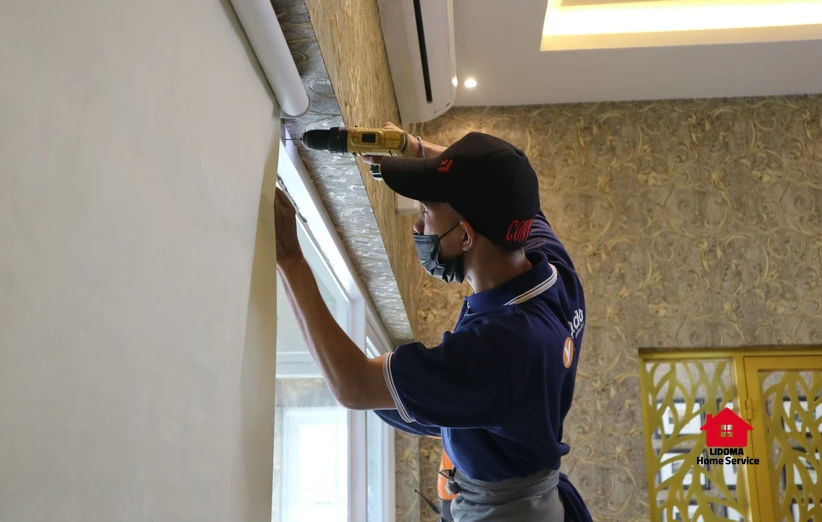
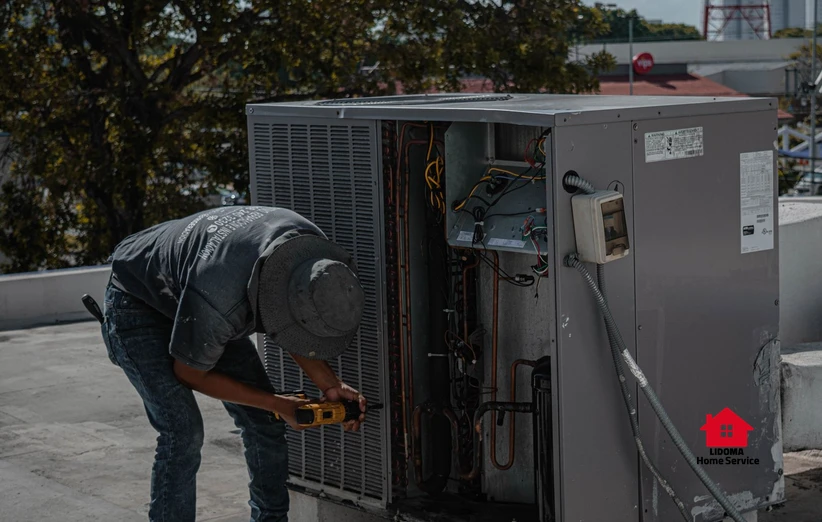
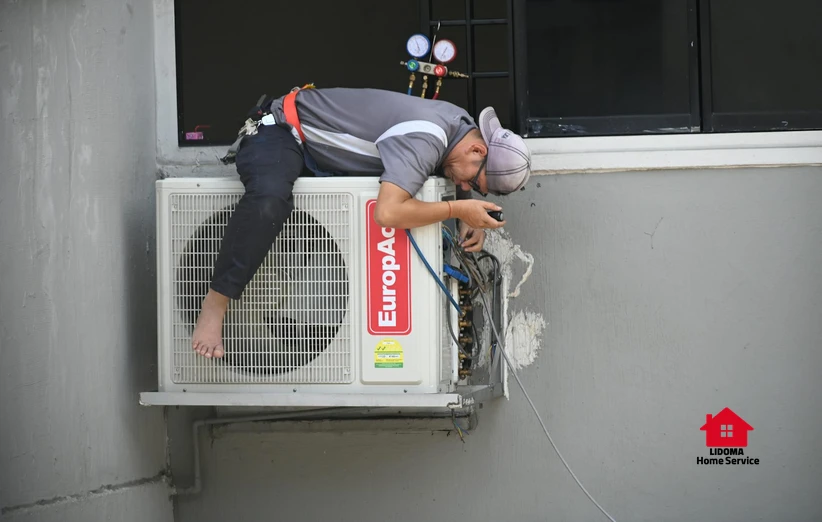
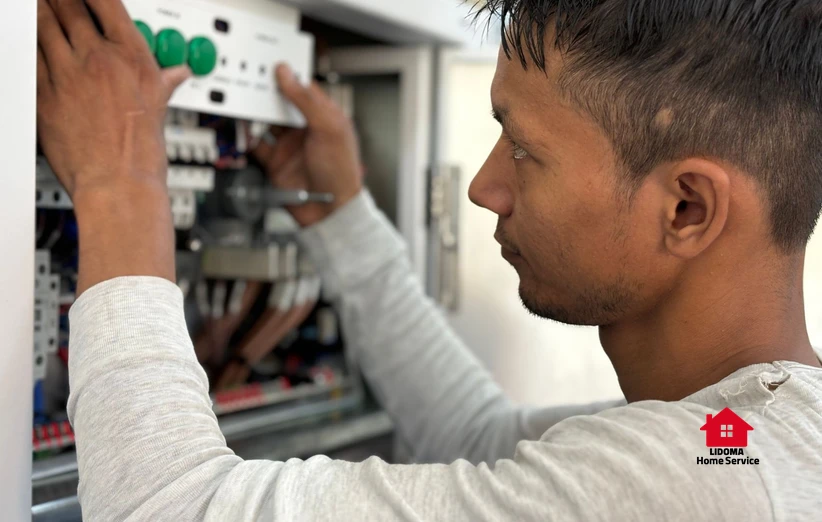
Lidoma Home Services helps homeowners approach HEPA Filter Installation in Winnipeg, Manitoba as an HVAC decision, not just an accessory purchase. Their technicians look at the existing furnace, return air path, available space in the mechanical room, duct condition, and ventilation strategy before recommending an installation approach. If the home also needs duct attention, filtration planning may be coordinated with Professional Duct Cleaning or Furnace Tune-Up and Repair so the new filtration system is not fighting avoidable restrictions.
This guide is written for new homeowners who want practical answers before booking: what a HEPA system does, what can go wrong if it is installed poorly, which questions to ask, and when to call a professional instead of guessing.
Why a whole-home HEPA system is different from a regular furnace filter
A new homeowner may assume that buying the highest-rated disposable furnace filter is the same as adding HEPA filtration. In practice, those are different strategies. A furnace filter sits directly in the air handler return path and must allow enough airflow for heating and cooling equipment to operate safely. If that filter is too restrictive for the blower and duct system, the furnace can run with reduced airflow, higher temperature rise, longer cycles, and extra strain on the blower motor. In cooling season, poor airflow can also contribute to coil temperature problems and uneven room comfort.
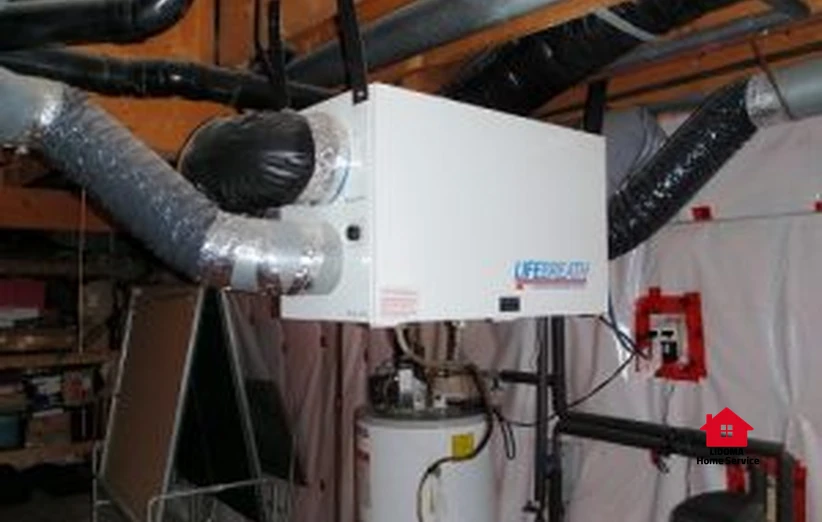
A whole-home HEPA system is usually planned so fine particle filtration is added without simply choking the main furnace filter slot. Depending on the equipment and layout, air may be filtered through a dedicated cabinet, bypass arrangement, or integrated filtration setup designed for the system. The goal is not just to capture small particles; it is to capture them while maintaining acceptable airflow and keeping the heating and cooling system within its operating range.
Winnipeg homes make this especially important because the furnace is not a background appliance for much of the year. During long heating seasons, the blower may run frequently, basements can become the main mechanical hub, and return air pathways may already be limited by renovations, finished walls, or older ductwork. A filtration upgrade that ignores static pressure can create comfort complaints that feel unrelated at first: colder rooms, louder ducts, dust streaking near registers, or a furnace that cycles differently than before.
Lidoma Home Services approaches HEPA Filter Installation by first considering the whole HVAC system. Their technicians look for practical constraints such as return drop size, filter cabinet access, blower capacity, duct transitions, and whether the homeowner will be able to replace filters without dismantling nearby storage or basement shelving. That process is useful for new homeowners because it separates a sensible installation from a product that merely sounds impressive.
The most important takeaway is that filtration must match the house. A compact bungalow with a simple duct layout may need a different approach than a two-storey home with a developed basement and multiple return branches. Lidoma Home Services can also identify when related work, such as Professional Furnace Cleaning or Professional Duct Cleaning, should be considered before or around the filtration upgrade so the HEPA system starts with cleaner airflow paths instead of immediately loading up from existing debris.
Winnipeg conditions that affect filtration decisions in a new home
Winnipeg’s climate creates indoor air quality patterns that are easy to miss during a home showing. In winter, windows remain closed for long periods, the furnace operates frequently, and indoor air can become dry enough that dust stays airborne longer. In spring, snowmelt and wet soil around foundations may contribute to basement dampness if drainage or humidity control is poor. In summer, outdoor dust, pollen, renovation debris, and occasional smoke events can make homeowners more aware of what is entering the home through leaks, open windows, or ventilation equipment.
Older Winnipeg housing stock can add another layer. Many homes have had ductwork modified over decades for basement development, furnace replacement, added bathrooms, or room changes. Return air may be undersized, partly blocked, or routed through awkward mechanical room spaces. A HEPA installation that looks straightforward on paper may require careful placement so the cabinet is serviceable, sealed, and not squeezed into a spot that creates pressure loss or future maintenance frustration.
Humidity also matters. Filtration does not remove moisture. If a home has condensation on windows, musty basement odours, or dry winter air, a HEPA system may help with particles but will not solve humidity imbalance by itself. In some homes, Lidoma Home Services may discuss complementary options such as Humidifier Installation and Maintenance or Professional HRV Installation if ventilation or moisture control appears to be part of the larger comfort issue. Those recommendations depend on the home, not on a one-size-fits-all checklist.
New homeowners should also think seasonally. Booking filtration work before peak furnace season can make access easier and reduce the stress of discovering airflow issues during extreme cold. It also gives the homeowner time to learn filter replacement intervals and observe how the system behaves during normal operation. Lidoma Home Services technicians can explain what normal airflow noise sounds like, where the filter cabinet is accessed, and how to avoid installing the wrong replacement filter later.
For homeowners searching for Expert HVAC services Winnipeg, the local value is not just installation labour. It is knowing how Winnipeg basements are commonly laid out, how cold-weather furnace operation affects airflow decisions, and how duct restrictions show up during real heating cycles. A good HEPA plan respects those conditions instead of treating the home like a generic diagram.
What Lidoma Home Services checks before recommending an installation
A responsible filtration appointment starts with inspection, not with cutting ductwork. The technician needs to understand how air moves through the home and how the existing furnace or air handler responds to restriction. This is where many DIY attempts fail: the homeowner sees an available duct surface and assumes the installation location is obvious. In reality, placement affects pressure drop, service access, sealing, noise, and the long-term ability to maintain the system.
During an assessment for HEPA Filter Installation, Lidoma Home Services may review the furnace model area, return air drop, existing filter slot, blower compartment condition, nearby electrical access where applicable, and whether the duct surfaces are stable enough for a clean installation. The technician also considers whether the system has signs of past airflow stress, such as excessive dust around the blower, unusually loud return ducts, poor room-to-room balance, or homeowner reports of short cycling.
A practical pre-installation check often includes these homeowner-visible items:
- Is there enough clear space around the furnace for a filter cabinet and future filter changes?
- Is the existing furnace filter the correct size and installed in the right direction?
- Are return grilles blocked by furniture, rugs, storage bins, or renovation finishes?
- Does the blower sound strained when the system runs?
- Are some rooms consistently dusty even after cleaning?
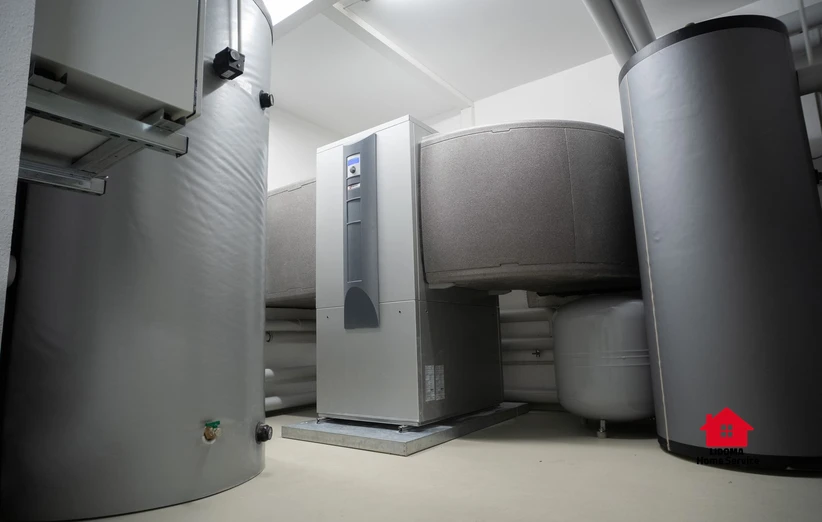
- Is the basement mechanical room crowded or difficult to access?
- Are there signs of duct leakage, disconnected runs, or poorly sealed transitions?
These questions are not meant to overwhelm the homeowner. They help the technician avoid creating a new problem while solving an air quality concern. If duct leakage is significant, for example, filtered air may be diluted by dusty air pulled from cavities or basement spaces. If return air is already undersized, adding filtration without addressing restriction can make comfort worse.
Lidoma Home Services uses a process-based approach: inspect, identify constraints, explain options, and install only where the system can be serviced properly. If the technician finds that the furnace also needs cleaning or performance attention, they may recommend Professional Furnace Cleaning or Furnace Tune-Up and Repair before relying on the new filtration system. That sequence protects the homeowner from spending money on a HEPA upgrade while ignoring a blower, heat exchanger airflow path, or maintenance issue that affects the entire system.
Common mistakes new homeowners should avoid
The most common mistake is treating HEPA filtration as a plug-and-play purchase. A high-efficiency filter can be beneficial, but only when the system is designed to handle it. Installing a restrictive filter in the wrong place can reduce airflow, increase static pressure, and make the furnace or air conditioner work under less favourable conditions. New homeowners often inherit unknown maintenance histories, so the existing system may already be operating with dirty blower components, dusty ducts, or a clogged filter rack before any upgrade is added.
Another mistake is ignoring access. A filter that is difficult to replace will eventually be neglected. In many Winnipeg homes, the furnace is tucked into a basement corner beside laundry machines, storage shelves, water lines, or finished walls. If the HEPA cabinet door cannot open fully, the homeowner may damage filters during replacement or avoid maintenance altogether. Lidoma Home Services technicians pay attention to future service space because a well-installed filtration system is only useful if it can be maintained.
Homeowners should also avoid expecting filtration to fix every indoor air complaint. HEPA filtration targets particles; it does not repair duct leaks, remove moisture, correct combustion problems, or replace ventilation. If a home has stale air, lingering cooking odours, window condensation, or a musty basement, the root issue may involve ventilation, humidity, or building envelope conditions. In those cases, Professional HRV Installation or Humidifier Installation and Maintenance may be more relevant parts of the conversation, depending on what the inspection shows.
A third mistake is overlooking the condition of the ducts. If the duct system contains heavy dust buildup, renovation debris, pet hair, or disconnected sections, the HEPA system may load quickly and the homeowner may feel disappointed with the result. Professional Duct Cleaning can be worth discussing when there is visible debris, a recent renovation, or evidence that previous owners did not maintain the system well. It should be recommended for a reason, not as an automatic add-on.
Lidoma Home Services helps homeowners avoid these mistakes by explaining cause and effect in plain language. Instead of simply saying a system is dirty or restricted, the technician can point out where air enters, where it passes through filtration, where pressure may rise, and what the homeowner should watch after installation. That educational approach is especially useful for first-time owners who are still learning the difference between maintenance, repair, filtration, ventilation, and equipment replacement.
What to expect when you book an appointment
Booking should feel like a technical consultation, not a mystery visit. When a homeowner contacts Lidoma Home Services about HEPA Filter Installation, the first step is usually to describe the home: approximate age, type of heating system, whether the basement is finished, whether there are pets, recent renovations, dust complaints, allergy concerns, or rooms that feel stuffy. The more specific the homeowner can be, the easier it is to prepare for the site visit.
At the home, the technician will typically inspect the mechanical room, review the furnace and return duct arrangement, check existing filtration, and look for installation space. They may ask the homeowner to run the thermostat so airflow and blower operation can be observed. This is also when practical concerns come up: where the cabinet could be installed, how filters will be replaced, whether duct modifications are needed, and whether nearby obstructions should be moved before work begins.
Homeowners should expect discussion of cost factors rather than a made-up flat answer. Pricing can vary with equipment type, duct access, cabinet location, required transitions, labour complexity, and whether related maintenance is needed. A responsible contractor should explain what is included and what is not. Affordable HEPA Filter Installation should mean a properly scoped solution that avoids unnecessary work, not a shortcut that ignores airflow or serviceability.
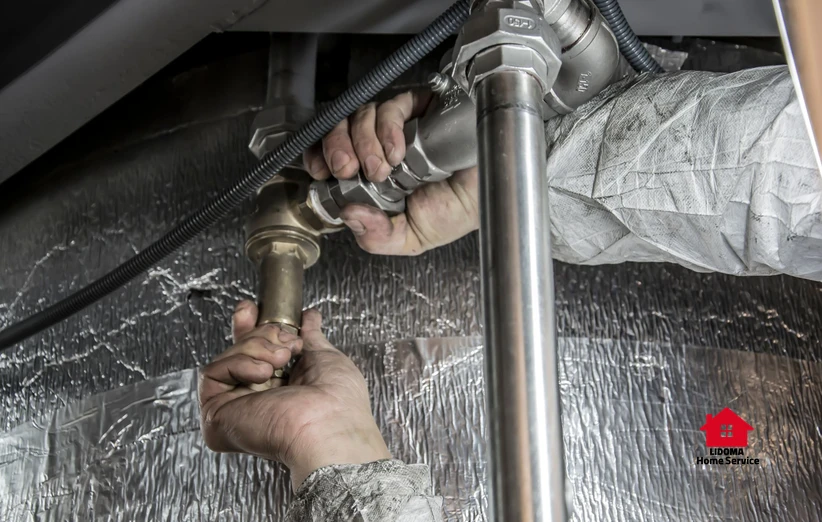
During installation, the technician’s work may involve careful measurement, duct preparation, cabinet placement, sealing, connection to the existing return or bypass path, and system operation checks. Proper sealing matters because leaks around a filter cabinet can let unfiltered air bypass the media. A neat installation also makes future filter changes easier, which is important for homeowners who are new to HVAC maintenance.
Lidoma Home Services technicians finish by showing the homeowner the installed components, explaining filter direction, access procedure, and maintenance reminders. They may also discuss whether the system should be observed during both heating and cooling seasons. If the air conditioner or furnace shows performance issues during the visit, the homeowner may be advised to consider Expert Air Conditioner Tune-Up and Repair or Furnace Tune-Up and Repair separately so filtration is not blamed for an existing mechanical problem.
Repair versus replace: deciding what to do with an existing HEPA setup
Some new homeowners move into a house that already has a whole-home filtration cabinet or older HEPA unit. The question then becomes whether to keep it, repair it, clean around it, or replace it. The answer depends on condition, airflow impact, filter availability, installation quality, and whether the system is actually connected and sealed properly. A cabinet that looks professional from the outside may still have bypass gaps, missing panels, damaged seals, or filters that no longer fit correctly.
Repair may make sense when the cabinet is solid, accessible, properly placed, and compatible filters are available. Common minor issues can include missing labels, poor door seals, loose fasteners, or homeowner confusion about filter replacement. In those cases, Lidoma Home Services can inspect the setup, correct basic issues where appropriate, and teach the homeowner how to maintain it. This is often the most practical path when the equipment is fundamentally sound.
Replacement becomes more relevant when the unit is damaged, badly located, difficult to service, installed in a way that restricts airflow, or no longer accepts readily available filters. It may also be appropriate if previous duct modifications created a poor airflow path. A replacement discussion should include more than the cabinet itself; it should include return air capacity, blower performance, and whether the system can operate without excessive pressure loss.
Homeowners should call a professional if they see crushed duct transitions, tape peeling around the filter cabinet, filters bending during installation, whistling sounds near the cabinet, dust trails past the filter, or unexplained furnace cycling after filter changes. These symptoms suggest the system may have bypass leakage, restriction, or installation defects. Guessing can lead to repeated filter purchases without solving the actual problem.
Lidoma Home Services evaluates existing systems with the same practical mindset used for new installs. The technician looks for what can be kept, what should be corrected, and what would create better long-term maintenance. That is where Expert HVAC services Winnipeg provides value: the recommendation is based on the home’s layout and operating conditions, not on replacing equipment simply because it is older.
Homeowner checklist before and after installation
A new homeowner does not need to become an HVAC technician, but a short checklist can prevent confusion and improve the appointment. Before booking, gather basic information about the home and symptoms. Take photos of the furnace area, existing filter slot, return duct, and any current filtration equipment. Note whether dust appears quickly after cleaning, whether certain rooms feel stuffy, and whether the problem changes between winter and summer.
Before the appointment, use this checklist:
- Clear access to the furnace and return duct area.
- Find the current furnace filter size and note how often it has been changed.
- Write down dust, odour, humidity, or airflow complaints by room.
- Mention pets, recent renovations, or previous water issues in the basement.
- Ask whether duct condition, blower condition, and filter access will be reviewed.
- Ask what maintenance you will be responsible for after installation.
- Avoid buying extra filters until the final system type and size are confirmed.
After installation, the homeowner should check the system visually during the first few filter changes. Make sure the filter slides in without crushing, the access door seals properly, and the filter direction is correct. Listen for new whistling or rattling near the cabinet. Watch whether rooms still receive airflow through supply registers. A small change in sound may be normal, but sharp noise changes or comfort problems should be reported.
Lidoma Home Services supports homeowners by explaining what normal operation looks like. Their technicians can show where to write filter dates, how to avoid installing the wrong media, and when to book follow-up service if the filter loads faster than expected. If filter loading is unusually rapid, possible causes include duct debris, construction dust, pet hair, leakage, or high blower runtime. In those cases, Professional Duct Cleaning may be considered if inspection supports it.
This checklist also protects affordability. Affordable HEPA Filter Installation is not only about the initial installation; it is about avoiding repeat visits caused by inaccessible cabinets, wrong filter purchases, or unresolved airflow restrictions. A few minutes of homeowner preparation helps the technician make better decisions and helps the homeowner understand what was installed.
FAQ for first-time Winnipeg homeowners
Will a HEPA system replace my regular furnace filter?
Usually no. The regular furnace filter still protects the furnace or air handler from larger debris. A whole-home HEPA setup is added to improve fine particle capture in a way that should be planned around airflow. Lidoma Home Services explains which filters remain in place and which ones the homeowner must replace.
Can I install a HEPA filter myself if I am handy?
Some portable room units are simple, but whole-home HEPA Filter Installation involves duct layout, static pressure, cabinet sealing, and service access. If a duct cut is poorly placed or the system becomes too restrictive, heating and cooling performance can suffer. Calling a professional is the safer choice when the filtration connects to the HVAC system.
Why does my new house still feel dusty after I changed the furnace filter?
Dust can come from ducts, return leaks, renovation debris, pets, basement storage, or poor filter fit. A high-quality filter will not solve dust bypassing through gaps or debris already sitting in ductwork. Lidoma Home Services can inspect whether Professional Duct Cleaning or sealing attention should be discussed before assuming the filter is the only issue.
Does HEPA filtration help with dry winter air?
It may reduce airborne particles, but it does not add moisture. If the concern is cracked wood, static shocks, dry throats, or window condensation patterns, humidity control should be assessed separately. Humidifier Installation and Maintenance may be relevant when the home needs controlled moisture, while filtration addresses particles.
Could a HEPA system make my furnace work harder?
It can if installed or selected poorly. Any filtration adds resistance, so the design must account for blower capacity, return duct size, and filter area. Lidoma Home Services checks the installation location and system condition to reduce the risk of excessive restriction.
When is the best time to book in Winnipeg?
Many homeowners prefer spring, late summer, or early fall because the system can be reviewed before heavy heating demand. That said, dust, smoke, pets, or renovation issues can make filtration worth discussing at any time. The key is not the calendar alone; it is whether the home is ready for a proper installation.
What should I ask before approving the work?
Ask where the system will be installed, how filters will be changed, what could affect cost, whether airflow restrictions were considered, and whether any related maintenance is recommended. A clear explanation is a good sign that the contractor is treating the home as a system.
Ready to talk through your home’s filtration plan?
Call Lidoma Home Services for HEPA filtration help
For questions about HEPA Filter Installation or to book an assessment in Winnipeg, contact Lidoma Home Services directly:
+1 204 297 4420
+1 431 374 3360
Save both numbers: +1 204 297 4420 and +1 431 374 3360.
A good filtration plan starts with the home you actually own, not a generic product recommendation. New homeowners benefit from having the furnace area, return air path, duct condition, filter access, and ventilation needs reviewed together. That is especially true in Winnipeg, where long heating seasons, dry winter air, spring moisture, and older duct layouts can all affect how a HEPA system performs.
Lidoma Home Services provides practical Expert HVAC services Winnipeg homeowners can use to make informed decisions. Their technicians explain what they see, identify installation constraints, and help you understand maintenance before work begins. If the inspection shows that filtration should be coordinated with Furnace Tune-Up and Repair, Professional Furnace Cleaning, or Professional HRV Installation, those recommendations are tied to observed conditions rather than pressure tactics.
For homeowners comparing options, Affordable HEPA Filter Installation should mean the right fit, proper airflow planning, clean workmanship, and a system you can maintain without frustration. Call +1 204 297 4420 or +1 431 374 3360 to discuss your home, ask questions, and decide whether whole-home HEPA filtration is the right next step.