Before You Book Whole-Home HEPA in Winnipeg: 12 Smart Questions
Appointment clarity for homeowners comparing whole-home filtration options in Winnipeg, Manitoba
Author : M. Behnezad
Winnipeg homeowners usually start asking about whole-home HEPA filtration for a practical reason: dust returns quickly after cleaning, allergy symptoms feel worse indoors, wildfire smoke season is becoming harder to ignore, or the furnace filter alone is not doing enough. Before booking HEPA Filter Installation in Winnipeg, Manitoba, the smartest move is to ask questions that reveal whether the system will actually fit your ductwork, airflow, furnace blower, basement mechanical room, and indoor air quality goals.
A true HEPA system is not just a thicker furnace filter. It has to be selected and installed so it captures fine particles without starving the heating and cooling system for airflow. In Winnipeg, that matters because forced-air systems already work through long heating seasons, tight winter homes, dry indoor air, spring dust, and summer humidity swings. A poorly matched filtration setup can increase static pressure, reduce airflow, create noise, or make existing duct problems more noticeable.
Lidoma Home Services approaches this as an HVAC system question, not just an accessory sale. During a booking conversation or site visit, the technician should be able to discuss duct layout, return-air capacity, blower performance, filter access, maintenance needs, and whether related issues such as dirty ductwork, poor ventilation, or low humidity are affecting the result. Homeowners comparing Expert HVAC services Winnipeg should expect clear answers before committing.
Call Lidoma Home Services Before You Book
Questions about whole-home HEPA filtration in Winnipeg? Call:
+1 204 297 4420
+1 431 374 3360
Save both numbers: +1 204 297 4420 and +1 431 374 3360. Use them to ask what information to have ready before your appointment, including furnace model details, filter size, symptoms, home age, and whether your basement mechanical room has space for a bypass or dedicated filtration cabinet.
Ask Whether Your Furnace and Ductwork Can Handle HEPA Airflow
The first question to ask before booking is simple: will a whole-home HEPA setup work with your existing airflow? HEPA media is designed to capture very small particles, but that capture comes with resistance. If the system is installed without checking static pressure, return-air capacity, and blower capability, the furnace or air handler may move less air than it should. In Winnipeg, reduced airflow is not a small issue; during long heating cycles, weak airflow can leave rooms uneven, increase furnace run time, and make an already dusty return-air system perform worse.
A homeowner should ask whether the technician will evaluate total external static pressure, filter cabinet placement, return-air sizing, and the path air takes through the duct system. Static pressure is basically the resistance the blower pushes against. A restrictive filter, undersized return duct, dirty blower wheel, or closed dampers can all add resistance. If a HEPA unit is added to a system that is already struggling, the new equipment may not deliver the expected air quality improvement.
Lidoma Home Services treats this as part of the appointment, not an afterthought. Their technicians use HVAC diagnostic practices such as visual duct assessment, airflow review, filter rack inspection, and pressure-aware equipment selection to determine whether HEPA Filter Installation is appropriate as a bypass arrangement, a dedicated filtration unit, or another compatible configuration. The goal is to protect the heating and cooling system while improving particle removal.
This is also where Winnipeg housing stock matters. Many older homes have retrofitted ductwork, tight basement mechanical rooms, small return chases, or additions that were not balanced perfectly when built. A HEPA cabinet that looks fine on paper may be awkward to service if it is squeezed behind a water heater, tight against a wall, or placed where the homeowner cannot reach the filter safely. Good installation planning includes access, not just airflow.
Before booking, ask these airflow questions: Will you check the return-air side? Will the HEPA unit reduce airflow through my furnace? Is my blower strong enough for this setup? Where will the filter be serviced? If the answer is vague, slow down. Lidoma Home Services can explain the mechanical reasoning before work begins, which is especially important when comparing Expert HVAC services Winnipeg and trying to avoid a filtration upgrade that creates a comfort problem.
Confirm What Problem You Are Trying to Solve Before Choosing Equipment
Not every indoor air complaint has the same cause. Dust on furniture, stale air, pet dander, musty basement odours, cooking particles, wildfire smoke, and dry winter irritation all point to different issues. HEPA filtration is strong at particle capture, but it is not a magic fix for moisture problems, combustion concerns, duct leakage, or inadequate ventilation. Before booking, ask the company how they will separate a filtration problem from a ventilation, humidity, or duct hygiene problem.
For example, a Winnipeg home that feels stuffy in January may be dealing with low air exchange because windows stay closed and the building envelope is tight. In that case, Professional HRV Installation may be part of the conversation because an HRV exchanges stale indoor air with outdoor air while recovering some heat. A HEPA system can filter recirculated air, but it does not by itself introduce fresh air or correct pressure imbalances created by exhaust fans.
If the concern is heavy dust returning soon after cleaning, the technician should consider duct condition, return leaks, filter bypass, and blower compartment contamination. In some homes, Professional Duct Cleaning or Professional Furnace Cleaning may need to happen before or alongside filtration improvements. Installing high-quality filtration onto a dirty system can help going forward, but it does not remove existing debris from neglected return cavities or blower surfaces.
Humidity is another common Winnipeg variable. Winter indoor air can become very dry, especially when outdoor air is extremely cold and carries little moisture. Dry air can make particles more noticeable, irritate nasal passages, and increase static cling, but a HEPA filter does not add moisture. If low humidity is part of the complaint, Humidifier Installation and Maintenance may be worth discussing so filtration and humidity control work together rather than being treated as unrelated upgrades.
Lidoma Home Services technicians help homeowners clarify the target before recommending Affordable HEPA Filter Installation. Ask them what they think the primary source is, what the HEPA system can realistically improve, and what it will not solve. That kind of honest scope-setting is more valuable than a quick yes, because it helps you invest in the right indoor air strategy instead of buying equipment based on symptoms alone.
What to Expect When You Book the Appointment
A good booking process should make the visit predictable. When you call Lidoma Home Services, be ready to describe the size and age of the home, the type of heating system, where the furnace or air handler is located, the current filter size, and the symptoms you are trying to fix. Photos of the mechanical room, return duct, existing filter slot, and surrounding clearances can help the technician understand whether the appointment may require extra planning.
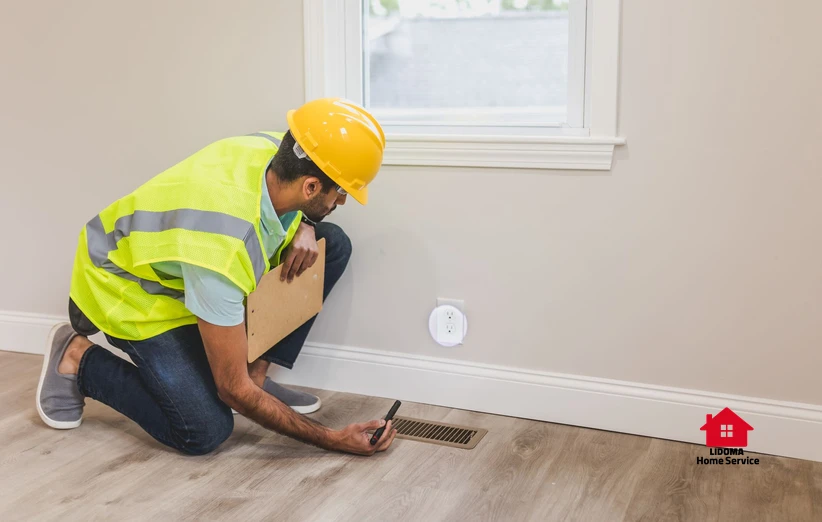
During the visit, the technician should inspect the furnace or air handler, the return-air duct, the supply plenum, the existing filter location, and available space near the equipment. They should look for signs of filter bypass, gaps around the rack, a dirty blower compartment, crushed flexible duct, restricted return grilles, and service access problems. These details affect whether HEPA Filter Installation can be done neatly and whether future filter changes will be realistic for the homeowner.
The technician may also ask about operating patterns. Do you run the fan continuously, on auto, or only during heating and cooling calls? Do certain rooms stay dusty? Do you have pets, renovation dust, a finished basement, or recent smoke exposure? These answers influence whether a bypass HEPA unit, a dedicated air cleaner, or a different filtration approach is practical. Filtration only works when air actually moves through the media, so runtime matters.
Lidoma Home Services focuses on explaining options in plain language while still using proper HVAC reasoning. Homeowners should expect discussion of airflow, pressure drop, maintenance access, filter replacement frequency as directed by the equipment, and any related system concerns discovered during the visit. If furnace operation appears questionable, Furnace Tune-Up and Repair may be recommended before adding filtration load to the system.
Before the technician leaves, ask what was checked, where the HEPA unit would go, what maintenance will involve, and whether anything should be corrected first. You should also ask whether your current thermostat fan settings need adjustment after installation. Lidoma Home Services can provide appointment clarity by explaining the sequence: assessment, equipment recommendation, installation planning, commissioning checks, and homeowner handoff.
Winnipeg Climate Questions: Cold Weather, Humidity, Smoke, and Seasonal Timing
Winnipeg’s climate changes how filtration equipment behaves. In winter, homes are closed tightly for long periods, furnaces run frequently, and indoor air can become dry. That means particles may recirculate for hours through the duct system. A properly planned HEPA setup can reduce fine airborne particles, but it must be integrated without restricting heat delivery during the coldest stretches of the season.
Ask whether winter installation will affect furnace operation or whether any pre-existing furnace issues should be addressed first. A marginal blower motor, dirty secondary heat exchanger area, clogged filter slot, or weak return path can become more noticeable when filtration resistance increases. Lidoma Home Services technicians review the system condition and can identify whether Furnace Tune-Up and Repair should happen before the filtration upgrade.
Spring and summer bring different concerns. Pollen, construction dust, open windows, and wildfire smoke events can all increase particle load. Air conditioning season also makes airflow important because inadequate airflow across the evaporator coil can contribute to coil icing, reduced dehumidification, and uneven cooling. If the cooling system is already struggling, Expert Air Conditioner Tune-Up and Repair may be relevant before adding or modifying filtration.
Humidity control also matters. A Winnipeg basement mechanical room can be cool and damp in summer, while the upstairs may feel dry in winter. Filtration does not correct moisture migration, condensate drainage problems, or poorly balanced ventilation. If the home has persistent condensation, musty odours, or window moisture, ask whether the technician sees signs that ventilation or humidification should be reviewed along with HEPA planning.
Lidoma Home Services helps homeowners time HEPA Filter Installation in Winnipeg, Manitoba around real operating conditions rather than a calendar slogan. If you are booking before winter, the emphasis is heat delivery and blower performance. If you are booking before summer smoke or pollen, the emphasis is filter loading, fan runtime, and cooling airflow. That climate-specific thinking is what makes Expert HVAC services Winnipeg useful beyond basic installation.
Homeowner Checklist: Questions to Ask Before You Say Yes
Use this checklist during the booking call or site visit. It keeps the conversation focused on fit, performance, maintenance, and expectations rather than vague claims. A reliable contractor should be able to answer these questions without rushing you. If a question requires inspection before answering, that is acceptable; what matters is that the company acknowledges the technical variable instead of pretending every home is the same.
Booking checklist
- Will you inspect my furnace or air handler before recommending equipment?
- Will you check whether my return-air duct can support the added filtration path?
- Where exactly would the HEPA cabinet or unit be installed?
- Will I be able to access the filter safely for maintenance?
- Could the system increase static pressure or reduce airflow?
- Do I need Professional Duct Cleaning before installation?
- Should furnace condition, blower cleanliness, or thermostat fan settings be reviewed first?
- What symptoms can a HEPA system improve, and what symptoms point to ventilation or humidity instead?
- What maintenance will I be responsible for after installation?
- If the home has pets, renovations, or smoke exposure, will filter loading change faster?
Ask the technician to explain how air will enter and leave the filtration unit. In a bypass system, a portion of return air is pulled through the HEPA media and returned to the duct system. In other configurations, the airflow path may differ. The key is that the homeowner should understand the route, the service access, and how the system will be used day to day.
Lidoma Home Services can walk through this checklist during an appointment and connect each answer to the physical layout of your home. Their technicians look at mechanical room clearances, duct transitions, existing filter racks, and equipment condition so the recommendation is not just based on square footage. This is especially helpful in Winnipeg homes where basement layouts vary widely and previous renovations may have changed airflow paths.
This is also the right time to ask about cost factors without expecting an invented one-size number. Pricing can be affected by equipment type, duct modifications, available space, accessibility, electrical needs if applicable, and whether related HVAC cleaning or repair is required. For homeowners searching for Affordable HEPA Filter Installation, affordability should mean an appropriate system that avoids rework, protects airflow, and is maintainable over time.
Common Mistakes to Avoid Before and After Installation
The most common mistake is assuming a denser filter is always better. Homeowners sometimes install a high-resistance filter in a standard furnace slot and expect HEPA-like performance. The result can be reduced airflow, whistling return grilles, longer run times, or poor temperature distribution. True HEPA filtration usually requires a system designed for that resistance and airflow path, not just a thicker disposable filter forced into the wrong rack.
Another mistake is ignoring duct leakage and bypass. If air can sneak around a filter cabinet, through gaps in the return duct, or around a poorly sealed filter slot, some particles will avoid the filtration media. That does not mean filtration is useless; it means installation quality matters. Lidoma Home Services technicians pay attention to cabinet fit, duct transitions, access panels, and sealing details because air follows the path of least resistance.
Homeowners should also avoid treating filtration as a substitute for maintenance. A HEPA system captures particles, but it does not clean a dirty blower wheel, correct a plugged condensate drain, balance a weak return system, or fix a furnace that short cycles. If the mechanical system is neglected, the filtration upgrade may expose existing problems. In some cases, Professional Furnace Cleaning or Furnace Tune-Up and Repair should be completed first.
Do not overlook noise. Added restriction, poor duct transitions, or undersized return grilles can create airflow noise that becomes frustrating after installation. During planning, ask where the unit will sit, whether duct transitions will be smooth, and whether the return side has enough area. This matters in Winnipeg bungalows and older two-storey homes where return ducts may be limited or built into wall cavities.
After installation, avoid skipping filter maintenance or using non-compatible replacement media. The technician should show you the filter location, access method, airflow direction, and any manufacturer-specific maintenance guidance. Lidoma Home Services makes the homeowner handoff part of the process so you know what to watch for: new noise, weaker airflow, filter loading, access issues, or changes in furnace and air conditioner performance.
When to Repair, Clean, or Replace Instead of Installing New HEPA Equipment
Sometimes the right answer is not immediate installation. If you already have a whole-home filtration unit but performance has dropped, ask whether it needs repair, cleaning, new media, airflow correction, or replacement. A unit with a clogged filter, disconnected duct, failed fan if it is a powered unit, or blocked intake may not need full replacement. A careful diagnostic visit can prevent unnecessary spending.
Repair may make sense when the cabinet is sound, the duct connections are accessible, and the issue is limited to serviceable components or maintenance neglect. Replacement may be more appropriate when the existing unit is poorly located, difficult to service, incompatible with the current HVAC system, damaged, or no longer suitable for the homeowner’s goals. Lidoma Home Services technicians assess the equipment condition, airflow path, and maintenance practicality before recommending the next step.
Cleaning can also be part of the decision. If the home has undergone renovations, has heavy pet hair, or has visible debris in return openings, the filtration unit may be fighting a dirty distribution system. Professional Duct Cleaning can be relevant when debris in the ductwork is contributing to dust complaints. Professional Furnace Cleaning may be relevant when the blower compartment or furnace interior is contaminated.
Replacement discussions should include the furnace and air conditioner, not just the HEPA unit. If the heating system is near the end of its practical life or has airflow limitations, the filtration plan may change when new equipment is installed. Homeowners planning Expert Furnace Installation or Professional Air Conditioner Installation should ask how filtration can be integrated during equipment replacement, because duct transitions and cabinet space can often be planned more cleanly at that time.
Call a professional when you notice weaker airflow after filter changes, repeated furnace limit trips, unusual return-air noise, visible gaps around the filter rack, heavy dust despite frequent filter changes, or a filtration unit you cannot safely service. Lidoma Home Services can help decide whether repair, cleaning, replacement, or new HEPA Filter Installation is the most practical option for your Winnipeg home.
FAQ: Real Questions Winnipeg Homeowners Ask Before Booking
1. Will a HEPA system replace my regular furnace filter?
Usually, no. Many whole-home HEPA configurations work alongside the existing furnace filter rather than replacing it. The standard filter protects the furnace and blower from larger debris, while the HEPA system targets finer particles through its designed airflow path. Lidoma Home Services will explain how the two filters interact so you do not remove a filter your furnace still needs.
2. Can HEPA filtration help with wildfire smoke?
HEPA filtration can help reduce fine airborne particles associated with smoke when the system is properly sized, installed, and operated. It does not remove every odour or gas, and it does not replace ventilation planning. Ask Lidoma Home Services how fan runtime, filter loading, and duct design affect smoke-season performance in Winnipeg homes.
3. Will it make my furnace work harder?
It can if the system is poorly matched or installed without airflow checks. That is why static pressure, return-air capacity, and blower performance matter. Lidoma Home Services evaluates the HVAC system before recommending equipment so the filtration upgrade does not create an avoidable airflow restriction.
4. Should I clean my ducts before installing HEPA filtration?
Not always, but it is worth asking. If there is visible debris, renovation dust, pet hair accumulation, or dirty return ducts, Professional Duct Cleaning may improve the starting condition of the air distribution system. The technician can inspect and advise rather than assuming it is required for every home.
5. Does a HEPA system fix dry winter air?
No. HEPA filtration captures particles; it does not add moisture. If your main concern is dry throat, static electricity, shrinking wood, or very low indoor humidity, ask about Humidifier Installation and Maintenance as a separate issue. Lidoma Home Services can help determine whether filtration, humidity control, or both are relevant.
6. How do I know if I am booking the right contractor?
Choose a contractor who asks about your furnace, ductwork, symptoms, mechanical room access, and maintenance expectations before recommending equipment. For Expert HVAC services Winnipeg, the conversation should include airflow, static pressure, filter access, and what the system can and cannot solve. Lidoma Home Services provides that process-based discussion before moving forward.
7. How do I book with Lidoma Home Services?
For booking questions, call +1 204 297 4420 or +1 431 374 3360. Ask about HEPA Filter Installation in Winnipeg, Manitoba, describe your indoor air concerns, and have photos of your furnace area ready if possible. Clear information at the start helps the technician plan the appointment and explain your options without guesswork.