DIY Hot Water Tank Work in Winnipeg: Safe Limits and Risks
A practical risk comparison for homeowners deciding what to handle themselves and when to call a technician
Author : Lidoma Home Services Ltd
Hot water tank problems often start small: a pilot that will not stay lit, a drain valve that drips, rust-coloured water at the tap, or a tank that recovers slowly after showers. For Winnipeg homeowners, the decision is not simply DIY or professional. The safer question is which tasks are reasonable for a homeowner, which tasks require diagnostic equipment, and which tasks can create gas, electrical, water damage, combustion, or carbon monoxide risk if handled incorrectly.
Lidoma Home Services provides Professional Hot Water Tank Services in Winnipeg, Manitoba for homeowners who want the issue diagnosed properly before parts are replaced or a tank is condemned. A good service visit is not just tightening fittings. It includes looking at combustion air, venting, burner operation, temperature control, water leakage patterns, expansion symptoms, and the condition of the mechanical room around the tank.
DIY has a place. Homeowners can check visible leaks, confirm the thermostat setting has not been changed, clear storage away from the appliance, listen for unusual burner or water movement sounds, and note when hot water runs out. But gas piping, venting changes, electrical wiring, relief valve discharge issues, and tank replacement decisions should be treated differently because the downside of a mistake is much higher than a failed weekend repair.
Need help with a hot water tank in Winnipeg?
Call Lidoma Home Services:
+1 204 297 4420
+1 431 374 3360
For homeowners comparing DIY troubleshooting with a professional appointment, Lidoma Home Services can explain what is safe to inspect, what should be left alone, and what to expect before work begins.
Where DIY hot water tank work is reasonable, and where the risk changes
A homeowner can safely gather useful information before booking service. The key is to observe without disturbing gas, electrical, venting, or pressurized safety components. For example, you can check whether the tank is leaking from the top connections, from the drain valve, from the temperature and pressure relief discharge tube, or from the bottom seam. You can also record whether the problem happens only after heavy use, only during very cold weather, or after another plumbing fixture has been used. This information helps Lidoma Home Services narrow down whether the symptom points toward a control issue, sediment, a failing tank, water pressure behaviour, or a venting concern.
Basic visual checks are useful because hot water tank symptoms can be misleading. A puddle under the tank does not always mean the steel tank has failed. Water can run down from a cold-water connection, relief valve piping, humid basement condensation, a nearby floor drain backup, or a leaking humidifier line. In Winnipeg basements, where mechanical rooms often contain a furnace, hot water tank, drain piping, laundry equipment, and sometimes a whole-home humidifier, water can travel across concrete before it is noticed. Lidoma Home Services technicians approach the area systematically instead of assuming the first visible drip is the source.
DIY becomes risky when the task requires changing how the appliance burns fuel, vents exhaust, controls temperature, or holds pressure. Gas-fired tanks rely on proper burner combustion and safe removal of flue gases. If a homeowner removes parts, disturbs the burner assembly, changes vent connector alignment, or attempts to relight a pilot repeatedly without understanding why it is failing, the result can be unreliable operation or unsafe combustion. Electric tanks have their own hazards because heating elements and thermostats are connected to high-voltage circuits. Lidoma Home Services uses diagnostic tools and step-by-step isolation rather than guesswork.
Temperature and pressure relief valves also deserve respect. The relief valve is a safety device, not just another plumbing fitting. If it drips, the cause may be thermal expansion, overheating, debris on the valve seat, or pressure behaviour elsewhere in the system. Simply capping the line, plugging the discharge, or installing a different valve without understanding the cause is unsafe. A trained Lidoma Home Services technician checks the pattern of discharge, the tank temperature setting, visible piping arrangement, and related symptoms before recommending a repair.
The safest DIY role is documentation and prevention. Take photos of the tank label, venting route, visible corrosion, puddle location, and any error indicators if the unit has electronic controls. Clear access around the tank so a technician can work safely. Avoid storing paint, solvents, cardboard, or household chemicals close to combustion appliances. When you call for Professional Hot Water Tank Services, that preparation can reduce confusion and make the appointment more productive without asking you to take on unsafe work.
Winnipeg conditions that make water heater problems more complicated than they look
Winnipeg homes put hot water tanks through wide seasonal changes. Incoming water temperature drops significantly during cold periods, so the tank must add more heat before delivering the same shower temperature. That can make a normal tank feel weaker in winter, especially during back-to-back showers, laundry, and dishwasher use. A homeowner may assume the tank is failing when the real issue is recovery time, thermostat setting, sediment affecting heat transfer, or demand that has outgrown the tank. Lidoma Home Services considers winter inlet-water conditions when judging performance instead of using a one-size-fits-all explanation.
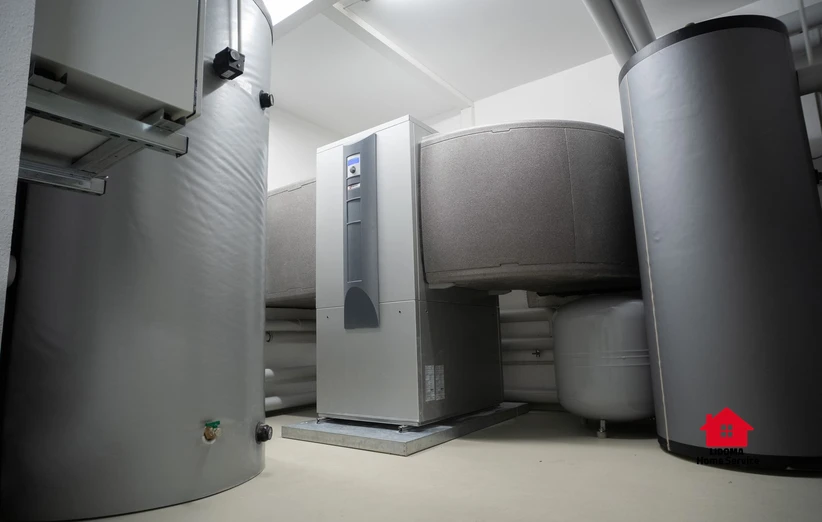
Basement mechanical rooms in older Winnipeg houses can also create diagnostic challenges. Some homes have tight utility spaces, older venting paths, low ceilings, finished walls around equipment, or multiple fuel-burning appliances sharing the same area. A hot water tank does not operate in isolation. If the furnace, dryer, exhaust fans, or kitchen range hood affect air movement, combustion appliances may experience pressure changes. This is one reason a professional visit may include looking beyond the tank itself. Lidoma Home Services evaluates the surrounding mechanical environment, including visible venting and airflow conditions, because poor room conditions can show up as nuisance pilot issues, rollout concerns, or odour complaints.
Humidity is another local factor. Winnipeg winters are dry indoors, while summer basements can become damp, especially in older homes with cooler concrete and limited air circulation. Moisture can make external corrosion appear worse, can lead to condensation on cold water piping, and can confuse leak diagnosis. If a homeowner has a whole-home humidifier nearby, problems with supply tubing or drains may imitate a tank leak. When relevant, Lidoma Home Services may discuss Humidifier Installation and Maintenance because humidity control and water piping near the mechanical room can affect what homeowners see on the floor.
The home’s air system also matters. Mechanical rooms collect dust, lint, pet hair, and construction debris. If combustion air openings, burner areas, or nearby floor spaces are neglected, the appliance can become harder to inspect and may operate less reliably. This does not mean duct cleaning fixes a water heater, but the condition of the mechanical space matters. If the home has visible dust movement or return-air leakage issues, Lidoma Home Services may recommend related indoor air work such as Professional Duct Cleaning or Professional Furnace Cleaning when those services are relevant to the broader HVAC system, not as a substitute for tank diagnostics.
Seasonal timing affects urgency. A small drip in July is still important, but a no-hot-water call in January can disrupt bathing, laundry, cleaning, and pipe-related routines. If the tank is near the end of its useful life, winter is not the ideal time to discover that replacement access is difficult, shutoff valves are seized, or venting needs attention. Lidoma Home Services helps homeowners plan based on symptoms, age clues, visible condition, and household demand, which is more useful than waiting for a full failure.
Safety issues homeowners should not treat as routine maintenance
The biggest difference between DIY and professional water heater work is not skill pride; it is risk control. Gas-fired tanks involve fuel supply, ignition, flame stability, combustion air, vent draft, and exhaust removal. If any of those are wrong, the problem can become a safety concern rather than a comfort complaint. Warning signs include soot marks, melted plastic near the draft hood, repeated pilot outage, a burner flame that appears abnormal, unusual odours, scorching, or visible corrosion around venting joints. These signs are not a prompt to experiment. They are a reason to stop and call Lidoma Home Services for Professional Hot Water Tank Services.
Carbon monoxide risk is one reason venting should be handled carefully. A water heater vent is designed to move combustion products out of the home. If the vent connector is loose, back-pitched, blocked, corroded, improperly joined, or affected by pressure conditions in the house, exhaust may not leave as intended. A homeowner may not notice the issue because the tank may still produce hot water. Professional diagnosis looks at operation, not just whether water gets hot. Lidoma Home Services technicians check visible vent condition and appliance behaviour while treating combustion-related symptoms as safety items.
Scalding is another overlooked risk. Turning up the thermostat may temporarily compensate for running out of hot water, but it can raise the risk of burns at fixtures. It can also increase standby losses and may aggravate relief valve discharge if other pressure or temperature issues exist. The better approach is to identify why hot water is insufficient: undersized storage for the household, sediment buildup, a failing dip tube, thermostat issues, burner problems, or usage patterns. Lidoma Home Services focuses on cause before adjustment.
Water pressure and thermal expansion can also create problems that look small but matter. When water is heated, it expands. Depending on the plumbing arrangement and pressure control devices in the home, expansion may show up as relief valve dripping, banging pipes, fluctuating temperature, or stress on fittings. A DIY response that only replaces the relief valve may not correct the underlying behaviour. A professional assessment considers system pressure symptoms, piping condition, and whether the valve is doing its job by releasing unsafe pressure.
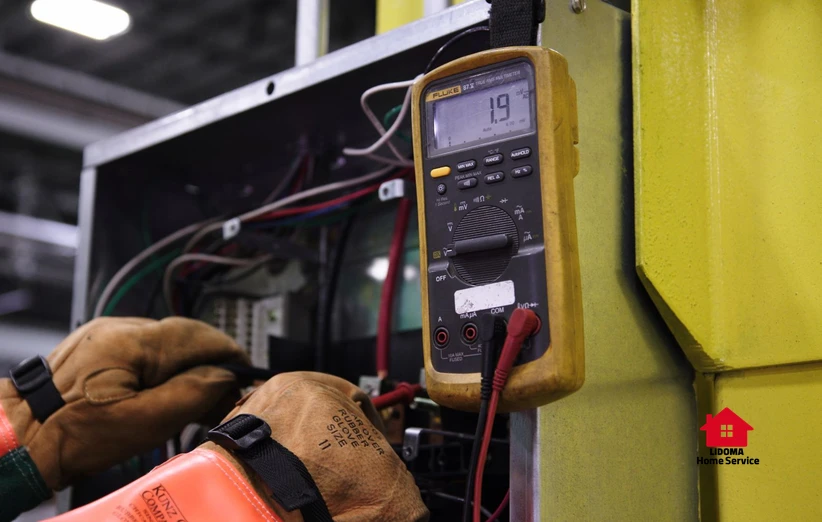
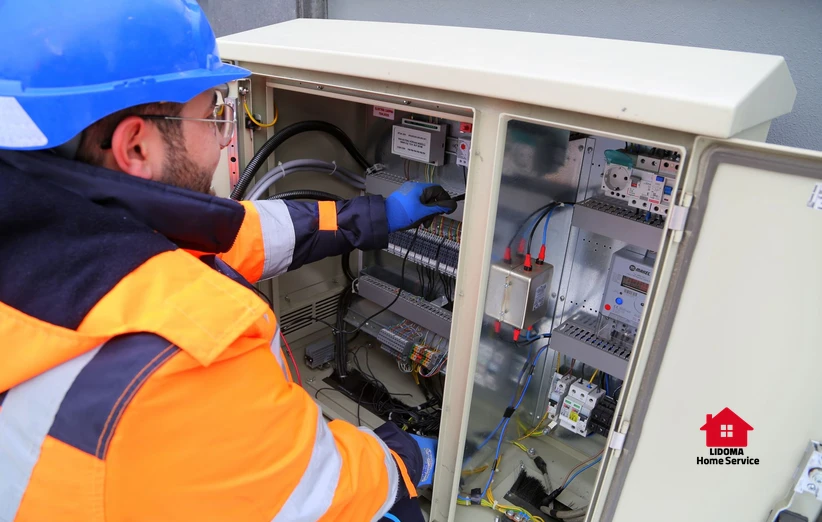
Electrical safety applies even if the tank is gas-fired because many newer units have powered controls, blowers, or electronic ignition. Electric water heaters carry a more direct electrical hazard at elements and thermostats. Testing these parts requires proper isolation, meters, and knowledge of the circuit. Lidoma Home Services uses appropriate diagnostic methods rather than replacing parts based on internet symptom charts. If a breaker trips, wiring is discoloured, controls smell overheated, or the tank behaves intermittently, that is not a safe trial-and-error project.
What a Lidoma technician actually checks during a professional visit
A professional appointment should follow a diagnostic sequence. The technician starts with the homeowner’s complaint, because the timing of the symptom often matters more than the symptom itself. Running out of hot water after one shower is different from slow recovery after heavy use. A drip that appears only after long burner cycles is different from a constant leak at a top fitting. Lidoma Home Services asks about household size, recent changes in use, noises, odours, water colour, temperature fluctuation, and whether other HVAC or plumbing work happened recently.
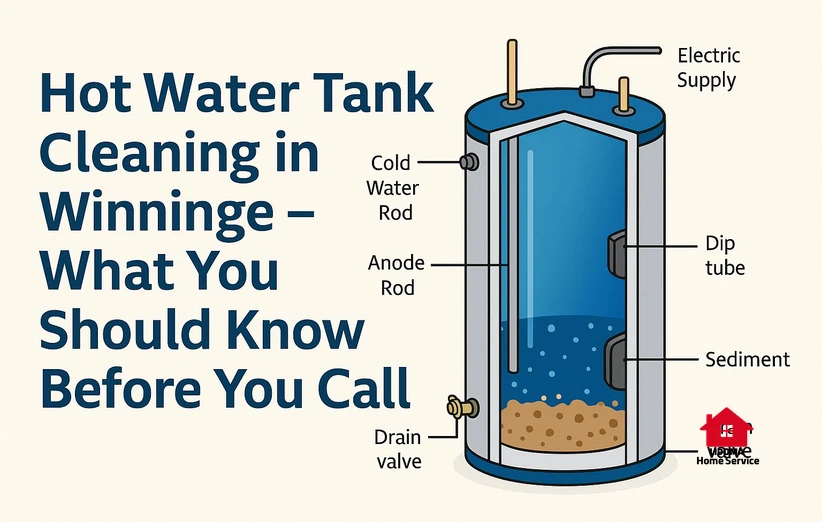
The visual inspection comes next. The technician looks at the tank jacket, lower seam, drain valve, cold and hot water connections, relief valve discharge tube, visible vent connector, burner access area, and surrounding floor. Rust staining, mineral trails, scorch marks, sagging vent pipe, plastic deformation, and moisture paths all mean different things. This is where experience matters. A homeowner may see rust and assume replacement is immediate, while a technician may identify a leaking dielectric connection, failing valve, or condensation pattern. Lidoma Home Services documents what is visible and explains which findings are cosmetic, serviceable, or serious.
Combustion-related checks depend on the tank type and symptom. On atmospheric gas units, draft and burner behaviour are important. On power-vented units, the technician considers blower operation, pressure switch behaviour, vent termination condition, condensate or moisture issues where applicable, and ignition sequence. The goal is to confirm that the tank is not simply heating, but heating safely and consistently. Lidoma Home Services uses proper instruments and controlled testing methods rather than relying only on whether the burner turns on.
Water-side checks include temperature setting, recovery behaviour, possible sediment symptoms, relief valve discharge history, and evidence of pressure stress. Sediment can reduce heat transfer, create popping or rumbling noises, and make recovery less predictable. In some cases, flushing may help; in others, aggressive flushing of an older neglected tank can expose weak points or dislodge debris that affects valves. Lidoma Home Services weighs the tank’s condition before recommending maintenance so the homeowner understands both benefit and risk.
A useful service visit ends with options. The technician should explain what can be repaired, what needs monitoring, and what points toward replacement. If other systems affect the mechanical room, Lidoma Home Services may mention related services only when relevant. For example, if a furnace shares the same confined area and shows maintenance issues, Furnace Tune-Up and Repair may be worth discussing. If the home has ventilation or humidity problems affecting the basement, Professional HRV Installation or humidity work may be part of a broader home-performance conversation, not a forced add-on.
Common DIY mistakes that turn a small tank issue into a bigger repair
Many water heater problems become more expensive or more urgent because the first response was too aggressive. A common mistake is repeatedly relighting a pilot without asking why it went out. Draft problems, thermocouple or flame-sensing issues, gas supply concerns, dirty burner conditions, and safety shutoff events can all lead to pilot failure. If the pilot will not stay lit or goes out more than once, the safer move is to stop. Lidoma Home Services can test the ignition and safety sequence instead of bypassing the reason the appliance shut down.
Another mistake is treating every leak as a drain-and-tighten job. Over-tightening fittings can crack components, distort threads, or make a future repair harder. On older tanks, disturbing corroded parts may create a larger leak. The correct response depends on leak source, tank age, corrosion pattern, and valve condition. Lidoma Home Services technicians isolate the source before applying force, and they explain when a repair attempt carries a realistic risk of worsening the leak.
Homeowners also underestimate venting. Moving the tank slightly to clean behind it, finishing a basement wall around the appliance, changing laundry equipment, or adding exhaust fans can alter air movement and access. Even small vent connector changes can matter. A tank that appears to work after a DIY adjustment may still vent poorly under certain conditions. Lidoma Home Services checks visible vent slope, connection integrity, clearance concerns, and operation because performance must be safe under normal household use, not just during a quick test.
A practical homeowner checklist can prevent avoidable mistakes before service:
- Do not cap or plug a relief valve discharge line.
- Do not ignore soot, scorch marks, melted plastic, or repeated pilot failure.
- Do not store flammable liquids or cardboard against the tank.
- Do not turn the thermostat higher and higher to mask poor recovery.
- Do not remove burner parts unless you are trained and equipped to reassemble and test them safely.
- Do not assume a puddle means the tank itself has failed; trace the moisture path if it is safe to do so.
- Do not flush an old, heavily corroded tank without understanding the risk of disturbing weak fittings.
Lidoma Home Services encourages homeowners to do safe observation because good information speeds up diagnosis. The line is crossed when the task changes fuel, flame, venting, wiring, pressure relief, or structural tank integrity. That is where Affordable Professional Hot Water Tank Services can be more cost-effective than repeated parts replacement, water cleanup, or emergency decision-making.
Repair or replace: how to think through the decision without guessing
The repair-versus-replace decision should be based on failure type, tank condition, household demand, and safety findings. A leaking supply connection, faulty drain valve, control issue, or serviceable ignition component may be repairable if the tank body is sound and the surrounding installation is in reasonable condition. A tank leaking from the internal vessel or bottom seam is different. Once the storage tank itself fails, patching is not a reliable solution. Lidoma Home Services explains the difference between replaceable external components and failure of the pressure vessel.
Age matters, but it should not be the only factor. Two tanks of the same age can be in very different condition depending on water quality, maintenance history, installation environment, usage, and whether previous leaks were ignored. A relatively newer unit with a clear component failure may make sense to repair. An older unit with corrosion, slow recovery, relief valve discharge, rumbling, and visible moisture may be a poor candidate for repeated repairs. Lidoma Home Services looks at the pattern rather than forcing a single rule.
Performance complaints also require context. If the home has added occupants, a basement suite, a larger tub, or different laundry habits, the original tank may no longer match demand. In that situation, repairing a working tank may not solve the homeowner’s actual complaint. The technician may discuss capacity, recovery rate, fuel type, venting style, available space, and installation constraints. Lidoma Home Services avoids invented one-size pricing because cost depends on the unit type, access, venting, water connections, disposal needs, and any related corrections required for a safe installation.
Safety findings can override repair preference. If venting is badly deteriorated, combustion behaviour is questionable, the burner area shows signs of rollout, or water damage has affected controls, the conversation changes. The homeowner may want the least expensive repair, but the technician must consider whether the appliance can be returned to safe operation. Lidoma Home Services communicates these findings in plain language so the homeowner understands why a repair is or is not appropriate.
Replacement planning should also consider the rest of the mechanical room. If the furnace is approaching replacement, if ventilation is being upgraded, or if basement renovations are planned, coordinating work can prevent access problems later. For homes considering larger HVAC changes, related services such as Expert Furnace Installation may affect mechanical room layout and venting strategy. The point is not to replace everything at once; it is to avoid installing one component in a way that complicates future service.
What to expect when you book Lidoma Home Services
When you book a hot water tank appointment, the first step is a clear description of the symptom. Tell Lidoma Home Services whether you have no hot water, not enough hot water, water that is too hot, a visible leak, noise, odour, pilot trouble, breaker trips, or a relief valve discharge. Mention whether the issue started suddenly or gradually. If you can safely take photos of the tank, venting, label, and leak area, those details can help the technician prepare. Do not dismantle the appliance before the appointment.
On arrival, the technician needs safe access. Clear stored items from around the tank, move laundry baskets or boxes, and keep pets away from the mechanical area. If the tank is in a finished basement closet, make sure the access door can open fully. Winnipeg mechanical rooms are often compact, and safe service requires enough room to inspect piping, venting, burner access, and drain paths. Lidoma Home Services works more efficiently when the technician can see the whole installation rather than only the front panel.
The appointment usually includes a symptom review, visual inspection, operational testing where appropriate, and a discussion of findings. The technician may run hot water to observe burner response and recovery, check for active leakage, inspect visible venting, review thermostat setting, and assess whether the relief valve has been discharging. If the issue involves combustion or electrical behaviour, testing may require controlled steps. Lidoma Home Services explains what is being checked so the homeowner is not left guessing.
If a repair is possible, the technician should explain what part or adjustment is involved, why it failed or may have failed, and whether there are signs of additional wear. If replacement is the better option, the homeowner should understand why the tank is not a good repair candidate. Lidoma Home Services avoids pressure tactics; the goal is to give practical information about safety, performance, and expected reliability so the homeowner can make a decision.
This is also the right time to ask questions. Ask what caused the symptom, whether the tank can be safely operated until repair or replacement, what warning signs should trigger shutdown, and whether any related systems are contributing. If the home has air quality, ventilation, or filtration concerns, Lidoma Home Services can discuss relevant Expert HVAC services Winnipeg homeowners may need, such as HEPA Filter Installation for filtration concerns or ventilation improvements when they genuinely relate to the home’s mechanical performance.
FAQ: real questions Winnipeg homeowners ask before touching a hot water tank
Can I flush my own hot water tank?
Some homeowners can perform a basic flush if the tank is in good condition, the drain valve works, and they understand the process. The risk increases with older tanks, brittle valves, heavy sediment, and corrosion around fittings. If the valve looks weak or the tank has never been maintained, forcing it open may create a leak that does not reseal. Lidoma Home Services can advise whether flushing is appropriate based on the visible condition and symptoms.
Is it safe to relight the pilot myself?
Following the manufacturer’s lighting instructions may be reasonable after a single outage if there is no gas smell, no soot, no scorch marks, and the pilot relights normally. Repeated pilot failure is different. If the pilot will not stay lit, if the burner behaves abnormally, or if you smell gas, stop and arrange professional service. Lidoma Home Services treats repeated pilot outage as a diagnostic issue, not a routine homeowner task.
Why does my tank make popping or rumbling sounds?
Popping or rumbling often points to sediment or mineral buildup affecting heat transfer at the bottom of the tank. Water trapped under sediment can flash and move suddenly as the burner heats the tank. The sound does not automatically mean immediate replacement, but it should be assessed with the tank’s age, leak condition, and recovery performance. Lidoma Home Services checks whether maintenance, monitoring, or replacement planning makes more sense.
Why does my relief valve drip only sometimes?
Intermittent relief valve discharge can be related to temperature, pressure, thermal expansion, or debris at the valve seat. It should not be ignored or plugged. The discharge pattern matters: after long heating cycles, after heavy use, constantly, or only overnight. Lidoma Home Services looks for the underlying cause before replacing parts.
Should I replace the tank before winter?
If the tank shows corrosion, slow recovery, repeated burner issues, active leaks, or signs that repair value is declining, planning before peak winter demand can be wise. Winnipeg’s cold incoming water makes recovery demands more noticeable in winter. Lidoma Home Services can inspect the tank and explain whether it is reasonable to monitor, repair, or plan replacement.
Does my furnace affect my hot water tank?
It can, especially in tight mechanical rooms with shared combustion air or nearby venting. A furnace problem does not usually cause a tank failure directly, but air pressure, venting condition, dust, and maintenance access can affect the mechanical environment. If both appliances show symptoms, Lidoma Home Services may recommend checking the broader system, including Furnace Tune-Up and Repair when relevant.
When should I call immediately instead of troubleshooting?
Call right away if you smell gas, see soot or scorch marks, have water actively spreading across the floor, notice electrical burning smells, see a relief valve discharging heavily, or lose hot water during freezing weather with vulnerable occupants in the home. For Professional Hot Water Tank Services, contact Lidoma Home Services at +1 204 297 4420 or +1 431 374 3360.
Bottom line: use DIY for observation, not safety-critical repair
DIY troubleshooting is valuable when it helps you describe the problem accurately. You can note the timing, take photos, clear access, check for obvious water paths, and confirm whether the issue affects every fixture or only one tap. Those steps make a professional visit more efficient and can prevent unnecessary part swapping. But the moment the work involves gas supply, burner operation, venting, electrical components, pressure relief, or tank replacement, the risk profile changes.
Winnipeg homes add their own complications: cold incoming water, compact basements, older mechanical rooms, seasonal humidity swings, and appliances that often share tight utility spaces. A hot water tank that seems simple from the outside may be interacting with ventilation, combustion air, drainage, or household demand. Lidoma Home Services approaches the tank as part of the home’s mechanical system, which is why the diagnosis looks beyond one symptom.
If you are unsure whether a task is safe, treat that uncertainty as useful information. A short service call can be less disruptive than a failed DIY repair that creates a leak, disables hot water, or leaves a combustion issue unresolved. Lidoma Home Services provides practical recommendations, explains repair versus replacement factors, and helps homeowners decide without invented pricing or scare tactics.
For safe, local help with Professional Hot Water Tank Services in Winnipeg, Manitoba, book Lidoma Home Services today.
Call: +1 204 297 4420
Call: +1 431 374 3360
You can also learn more or request service through Professional Hot Water Tank Services.