Repair or Replace Your HEPA System? A Winnipeg Homeowner Decision Map
A Practical Technical Comparison for Winnipeg Homeowners Deciding Whether to Repair, Maintain, Replace, or Upgrade a HEPA Filtration System
Author : M. Behnezad
If your whole-home HEPA unit is noisy, dusty air keeps returning, airflow feels weaker than it used to, or the filter cabinet no longer seals properly, the real question is not simply whether you need a new filter. The better question is whether the filtration system is still matched to your furnace, ductwork, ventilation needs, and Winnipeg’s seasonal conditions.
A well-planned HEPA Filter Installation can improve fine-particle filtration without choking airflow, but a poorly matched unit can increase static pressure, reduce blower performance, and create uneven heating or cooling. That is why homeowners comparing repair versus replacement should look at more than the filter media. The cabinet seal, bypass duct layout, blower capacity, return-air design, humidity levels, and maintenance history all matter.
For homeowners searching for HEPA Filter Installation in Winnipeg, Manitoba, the most useful starting point is a technical assessment rather than a sales recommendation. Lidoma Home Services approaches filtration decisions by checking airflow, filter fit, return-air restrictions, duct leakage signs, and how the system behaves during heating and cooling operation. That process helps determine whether maintenance, a minor repair, a filter replacement, or a full upgrade is the practical next step.
The goal is simple: protect indoor air quality without creating new HVAC problems. Winnipeg homes face long heating cycles, dry winter air, spring dust, summer humidity swings, pet dander, renovation debris, and older basement mechanical rooms with tight ductwork. Those conditions make filtration decisions more technical than many homeowners expect.
Repair, Replace, Maintain, or Upgrade: How to Make the Right First Decision
The first decision is to separate a filter problem from an airflow problem. Many homeowners assume a HEPA system has failed because the house still feels dusty, but dust complaints can come from return-air leakage, unsealed filter access doors, dirty blower compartments, bypass duct problems, or supply registers pulling debris from neglected duct runs. A HEPA cabinet can only filter the air that actually passes through it. If air is bypassing the cabinet through gaps, poorly fitted panels, or leaky return duct connections, replacing the filter alone will not solve the issue.
A repair usually makes sense when the cabinet is structurally sound, the blower can handle the pressure drop, and the problem is limited to worn gaskets, a misaligned access door, a loose bypass damper, or a clogged pre-filter. These are practical issues that can often be corrected without replacing the full filtration setup. Lidoma Home Services technicians focus first on the physical path of air: where air enters, how it moves through the HEPA cabinet, whether it bypasses the filter, and whether the return side of the system is under abnormal restriction.
Replacement becomes more reasonable when the unit is poorly sized for the duct system, parts no longer fit correctly, the cabinet leaks after repeated adjustments, or the system creates excessive static pressure. Static pressure matters because a furnace blower is designed to move a certain volume of air against a certain resistance. If filtration resistance is too high, airflow can drop. In heating season, that may cause longer run times or temperature rise issues. In cooling season, reduced airflow can affect evaporator coil performance and condensate handling.
Maintenance is the right answer when the system is basically sound but neglected. This can include replacing the correct filter media, cleaning accessible cabinet surfaces, checking pre-filter condition, verifying arrows and orientation, and confirming that the door closes evenly. In many Winnipeg homes, especially those with pets, basement workshops, recent drywall work, or frequent window opening during shoulder seasons, maintenance intervals may need to be adjusted based on actual loading rather than a generic calendar.
An upgrade is different from a replacement. Replacement means restoring a similar system that is failing. Upgrade means improving filtration strategy because the current setup never fit the home well in the first place. For example, a homeowner may have a restrictive one-inch furnace filter and want better fine-particle capture without overloading the blower. In that case, a properly selected whole-home HEPA bypass system or improved media cabinet may be part of the discussion. Lidoma Home Services uses airflow-focused evaluation methods, including pressure and temperature checks where appropriate, so the recommendation is based on system behaviour instead of guesswork.
When comparing options, ask one practical question: will this choice improve filtration while preserving the HVAC system’s required airflow? Affordable HEPA Filter Installation does not mean choosing the smallest or cheapest component. It means choosing the option that avoids unnecessary replacement, prevents airflow damage, and fits the existing furnace and duct configuration. That is the difference between a quick filter swap and a responsible filtration decision.
Warning Signs That Point to a Simple Fix Versus a Bigger Filtration Problem
Some symptoms point toward basic maintenance. If the HEPA cabinet was working well and then gradually became louder, airflow at registers weakened, or dust increased after a long interval without service, the filter or pre-filter may simply be loaded. A loaded filter increases resistance, which can make the blower work harder and reduce delivered airflow. Homeowners often notice this first in upper bedrooms, far supply runs, or rooms that were already marginal. Lidoma Home Services technicians do not treat weak airflow as a filter-only issue until they compare filter condition with return-air restriction and blower operation.
Other signs point toward a repair. A whistling sound at the cabinet door, visible dust trails around access panels, or a filter that looks dirty around the edges but clean in the middle can indicate air leakage or poor seating. HEPA filtration depends on a sealed path. If the cabinet door gasket is compressed unevenly or the filter is not locking into position, air will take the easier route around the filter media. Repairing the seal may improve performance more than installing a new filter in a leaky cabinet.
Replacement is more likely when the unit has chronic fit problems, the access door is damaged, the filter track is bent, or previous modifications have left the cabinet unable to seal. In older Winnipeg homes, basement mechanical rooms sometimes have short return drops, offset transitions, and tight clearances around furnaces. If a HEPA cabinet was squeezed into a poor location, every filter change may disturb the seal or make proper installation difficult. Lidoma Home Services evaluates service access because a system that cannot be maintained correctly will keep causing the same problem.
Upgrade discussions often begin when the homeowner’s goals have changed. A family may add pets, complete a renovation, develop sensitivity to fine dust, or start using the basement more often. The existing setup may still function, but it may not provide the level of filtration desired. At that point, the conversation should include airflow capacity, cabinet location, filter surface area, bypass duct routing, and whether ventilation improvements such as Professional HRV Installation are relevant for stale-air control. Filtration captures particles; ventilation manages air exchange. They are related but not identical.
Homeowners should also pay attention to furnace behaviour after filter changes. If the furnace cycles differently, the blower sounds strained, rooms heat unevenly, or the system shuts down unexpectedly, the filter may be too restrictive or installed incorrectly. Do not keep operating with a questionable setup simply because the filter is labelled as high efficiency. High filtration value is only useful when the HVAC system can move enough air through it.
Lidoma Home Services brings a diagnostic mindset to these symptoms. Instead of assuming the HEPA unit is the source of every complaint, the technician checks the surrounding system: return-air path, supply response, furnace cabinet cleanliness, blower access, and filter bypass points. That matters because dust and airflow complaints often have multiple causes. A homeowner may need filtration repair, but in some cases Professional Furnace Cleaning or targeted duct inspection is also part of restoring proper air movement.
What a Technician Actually Checks During a HEPA Assessment
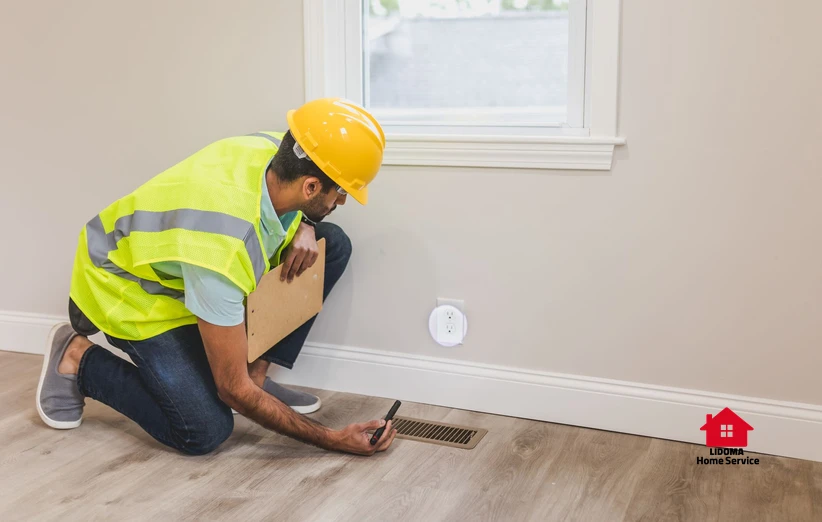
A proper assessment starts before any component is replaced. The technician needs to understand how air is moving through the house and whether the HEPA unit is installed as a bypass system, in-line filtration component, or cabinet tied into the return side. Each layout behaves differently. A bypass HEPA system filters a portion of air continuously or during blower operation, while a restrictive in-line setup can affect the full system airflow. Lidoma Home Services technicians look at the installation type first because the repair-versus-replace decision depends on how much the filter influences total airflow.
The next step is cabinet inspection. The technician checks the access door, latch pressure, gasket condition, filter track, filter orientation, and whether the correct media size is being used. A filter that is slightly undersized can allow bypass. A filter installed backwards can load unevenly and reduce effectiveness. A door that flexes under return-air pressure can create a whistle and pull unfiltered basement air into the system. These are small mechanical details, but they are often the difference between a HEPA system that performs and one that only looks installed.
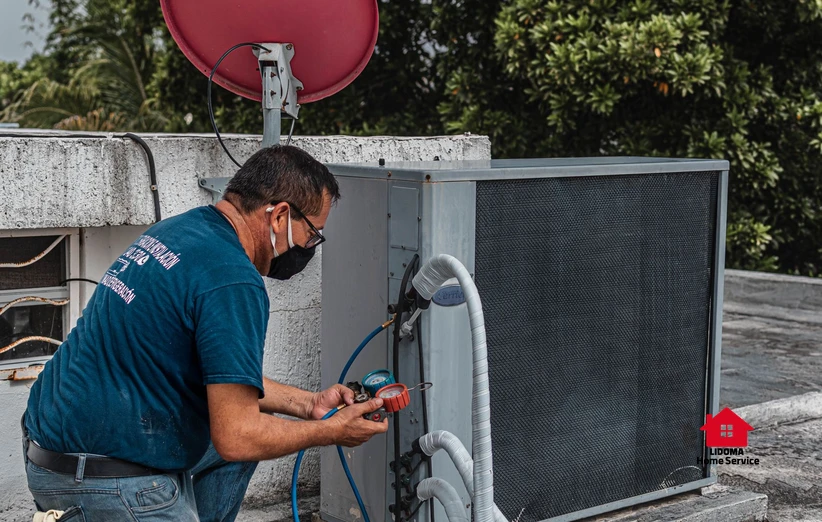
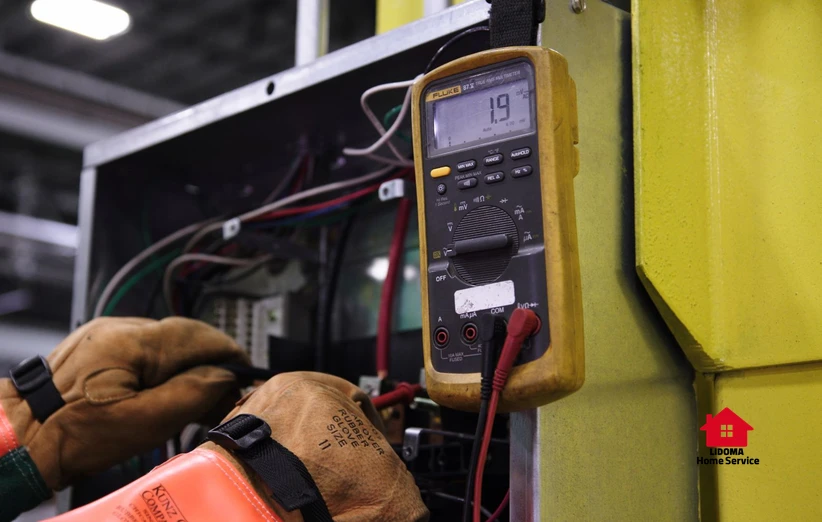
Airflow evaluation is also important. The technician may assess supply-register response, return-air pull, blower sound, and system temperature behaviour. Where appropriate, pressure readings can help identify whether filtration is adding excessive resistance. Static pressure is not just a technical number; it tells the technician whether the blower is operating against a restriction that may shorten component life or reduce heating and cooling performance. Lidoma Home Services uses this kind of step-by-step checking to avoid recommending upgrades that the existing ductwork cannot support.
The surrounding HVAC equipment matters too. If the furnace blower wheel is dirty, the evaporator coil is restricted, or the return duct is undersized, a HEPA filter may be blamed for airflow problems it did not create. In homes where airflow problems appear after years of dust buildup, Professional Duct Cleaning may be discussed if the duct system shows heavy debris, renovation dust, or visible contamination that could continue feeding particles into the air stream. The point is not to sell a second service; it is to identify whether filtration alone can solve the complaint.
A careful technician also checks homeowner usage patterns. Does the fan run continuously or only during heating calls? Is the basement being renovated? Are there pets, smokers, wood dust, or frequent candle use? Are windows opened during spring pollen season? These details affect filter loading. A system that works well for one household may need shorter maintenance intervals in another. Lidoma Home Services uses these practical questions to recommend a maintenance plan that reflects the actual home rather than a generic schedule.
A strong assessment should end with clear findings. Homeowners should understand whether the issue is filter loading, leakage, poor cabinet fit, duct restriction, blower limitation, or system mismatch. They should also know what can be repaired now, what should be monitored, and what would justify replacement later. This is where Expert HVAC services Winnipeg should feel different from a simple filter sale: the recommendation should be connected to measurable system behaviour and visible field conditions.
Winnipeg Home Conditions That Change the Filtration Decision
Winnipeg’s climate makes filtration more complicated than a product label suggests. During long heating periods, homes are closed for extended stretches and the furnace blower may run frequently. That can be good for filtration because more air passes through the system, but it also means a restrictive filter setup can affect comfort faster. If a HEPA unit adds too much pressure in January, the homeowner may notice cold rooms, longer furnace cycles, or reduced airflow at distant registers. Lidoma Home Services considers winter operating conditions when evaluating whether a filtration upgrade is appropriate.
Winter dryness is another factor. Very dry air can make dust more noticeable because particles stay airborne and static electricity helps dust cling to surfaces. A homeowner may think the HEPA unit has failed when the larger issue is a combination of low humidity, high air movement, and dust reservoirs in carpets or ductwork. Where humidity control is part of the problem, Humidifier Installation and Maintenance may be relevant, but it must be balanced carefully. Too much humidity in cold weather can create condensation on windows or cold surfaces, especially in older homes.
Older housing stock adds another layer. Many Winnipeg homes have basement mechanical rooms with compact return drops, field-built transitions, and limited straight duct near the furnace. A filtration cabinet needs service clearance and a stable air path. If it is placed where the filter cannot be removed cleanly or where airflow turns sharply into the cabinet, performance may suffer. Lidoma Home Services technicians look at the physical layout before recommending replacement because sometimes the right fix is a better cabinet location or duct transition, not simply a newer filter.
Summer conditions matter as well. When air conditioning is running, reduced airflow can affect coil temperature and condensate drainage. If a high-resistance filtration setup slows airflow too much, the cooling system may not remove humidity as expected, and in some cases coil icing risk can increase if other problems are present. That is why filtration decisions should consider cooling operation too, not only furnace season. If cooling performance is already questionable, an assessment may include whether Expert Air Conditioner Tune-Up and Repair is needed before adding filtration resistance.
Renovation dust is common in older Winnipeg homes where basements, kitchens, and bathrooms are updated in stages. Drywall dust, sawdust, and insulation fibres can load filters quickly and migrate into returns if work areas are not isolated. A HEPA system can help capture fine particles, but it should not be used as a substitute for job-site dust control. After renovation work, Lidoma Home Services may recommend inspecting filter loading, cabinet seals, and accessible return areas before deciding whether the system needs repair or a full upgrade.
Seasonal timing can also influence the practical next step. If the current HEPA cabinet is damaged in the middle of a cold snap but the furnace airflow is stable, a temporary repair and correct media replacement may be the smartest immediate choice, with upgrade planning later. If the system is already causing airflow restrictions before winter, replacement or redesign should not be postponed. Affordable HEPA Filter Installation is partly about timing: correcting the issue before it creates furnace strain, cooling complaints, or repeated filter waste.
Homeowner Checklist Before You Book a HEPA Service Visit
A homeowner does not need specialized tools to gather useful information before booking. The goal is not to diagnose the system completely; it is to notice patterns that help the technician arrive prepared. Before calling Lidoma Home Services, write down when the issue started, whether it followed a filter change, renovation, pet addition, furnace repair, or seasonal switch from heating to cooling. These details often point toward the cause faster than a general statement such as “the house is dusty.”
Use the checklist below before moving or opening any equipment. If you are unsure, leave the cabinet closed and wait for the technician. Forcing a stuck door or installing a filter that does not fit can create bypass leakage or damage the filter track.
- Check whether dust increased suddenly or gradually.
- Note whether airflow feels weak in every room or only at distant registers.
- Look for whistling around the HEPA cabinet or return duct.
- Check the date of the last filter or pre-filter change if you know it.
- Note whether the furnace blower sounds louder than usual.
- Look for visible gaps around filter access panels without removing sealed parts.
- Write down the filter size and model number if visible.
- Mention pets, recent drywall work, woodworking, candles, smoking, or frequent window opening.
- Note whether symptoms are worse during heating, cooling, or continuous fan operation.
This information helps separate a maintenance visit from a repair or upgrade discussion. For example, weak airflow throughout the house after a recent filter change may indicate an overly restrictive or incorrectly installed filter. Dust around one return grille after renovation may point toward localized debris. A whistling cabinet door may indicate gasket leakage. Lidoma Home Services technicians use these observations alongside field checks, so the appointment is more focused and less dependent on trial and error.
Homeowners should also check whether the issue is connected to other HVAC symptoms. If the furnace has been short cycling, producing unusual odours, or showing ignition problems, filtration may not be the main concern. In that situation, Furnace Tune-Up and Repair may need priority because combustion safety, temperature rise, and blower performance affect the whole system. Filtration should support HVAC operation, not distract from a furnace problem that requires attention.
Before booking, prepare a few practical questions. Ask whether the technician will inspect cabinet seals, airflow restrictions, and filter fit rather than only replacing the media. Ask whether your existing blower and ductwork can support the filtration option being considered. Ask what signs would justify replacement instead of repair. Lidoma Home Services can then frame the visit around decision-making, which is exactly what homeowners need when comparing repair, replacement, maintenance, and upgrade options.
This preparation also helps control avoidable cost. No responsible contractor should promise a final price without seeing the system, because cost depends on cabinet condition, accessibility, filter type, duct modifications, labour time, and whether other airflow issues are present. The practical value of an inspection is that it prevents unnecessary replacement while identifying situations where a repair would only delay the same failure.
Common Mistakes That Make HEPA Systems Underperform
One common mistake is choosing filtration by efficiency rating alone. A denser filter may capture smaller particles, but it also creates more resistance. If the ductwork and blower cannot support that resistance, delivered airflow can drop. Homeowners sometimes install the highest-rated filter they can find and then notice weak registers, longer run times, or noisy return grilles. Lidoma Home Services evaluates airflow impact before recommending changes because filtration performance and mechanical performance must work together.
Another mistake is ignoring filter bypass. A HEPA label does not help if air leaks around the cabinet, through an unsealed access door, or across a poorly seated filter edge. Bypass is especially common after repeated filter changes where the track becomes worn or the door is not latched evenly. Dust streaks around the cabinet are a clue. Repairing gaskets, seating surfaces, or door alignment can sometimes restore performance without replacing the entire system.
Homeowners also confuse furnace filters and whole-home HEPA filtration. A standard furnace filter mainly protects equipment and provides varying levels of particle capture depending on design. A HEPA system is a more specialized filtration strategy and may be installed in a bypass arrangement to avoid over-restricting the main air stream. If the two are treated as interchangeable, the system may end up with stacked restrictions. Lidoma Home Services checks whether the existing furnace filter, HEPA unit, and return duct are working as a coordinated system.
Neglecting the pre-filter is another practical problem. Many HEPA systems rely on a pre-filter to capture larger particles before they load the more expensive HEPA media. If the pre-filter is ignored, the main filter can load faster and airflow can suffer. This is common in homes with pets, basement storage areas, or recent renovation dust. Maintenance is not just about replacing one component; it is about keeping each stage of filtration doing the job it was designed to do.
A further mistake is using filtration to solve ventilation problems. If the home feels stale, smells linger, or condensation patterns suggest poor air exchange, a stronger filter may not fix the root cause. Filtration captures particles; it does not add fresh air or exhaust stale indoor air. Depending on the home, Professional HRV Installation may be part of a broader air-quality conversation. Lidoma Home Services helps homeowners separate particle control from ventilation so money is spent on the right solution.
Finally, many homeowners wait until the system is visibly dirty before acting. By then, the blower may have operated under restriction for a long period. Dust may have accumulated in returns or inside accessible furnace compartments. If dirt has moved beyond the filter cabinet, the technician may discuss Professional Furnace Cleaning or targeted inspection of duct conditions. The best repair-versus-replace decision happens before neglect spreads into multiple parts of the HVAC system.
What to Expect When You Book With Lidoma Home Services
A good appointment should begin with questions, not a replacement pitch. When you contact Lidoma Home Services, be ready to describe the symptoms, the age and type of filtration setup if known, the last filter change, and any recent home changes such as renovations or new pets. The technician’s first goal is to understand whether the complaint is about dust, airflow, noise, odour, allergy concerns, or equipment behaviour. Each complaint points to a different diagnostic path.
On site, the technician will typically inspect the HEPA cabinet, access door, filter fit, pre-filter condition, return-air connections, and visible duct transitions. If the system is tied closely to the furnace, the furnace blower response and air path become part of the assessment. The technician may also look for signs of duct leakage, dust trails, cabinet vibration, blocked returns, or restrictions caused by furniture, closed vents, or improper filter stacking. This is the practical work behind Expert HVAC services Winnipeg: the diagnosis follows the air, not assumptions.
If the unit is maintainable, the recommendation may be as simple as installing the correct media, cleaning accessible cabinet surfaces, sealing a minor leak, or adjusting the access door. If the cabinet is damaged or no longer seals, repair options will be compared against replacement. If the system is undersized or poorly located, the technician may explain why replacement in the same position would repeat the problem. That is an important distinction homeowners should expect from a responsible contractor.
If an upgrade is appropriate, the discussion should include how the new filtration approach will affect airflow. Homeowners should ask where the cabinet will be located, how it will be serviced, whether the blower can handle the configuration, and how filter maintenance will be handled. For HEPA Filter Installation in Winnipeg, Manitoba, the design must account for both heating and cooling seasons. A setup that seems acceptable during mild weather may behave differently during long furnace cycles or humid summer operation.
The appointment may also identify related HVAC issues that should be addressed first. For example, if airflow is already poor because of a dirty blower or restricted return, filtration upgrades should wait until the system is corrected. If cooling airflow is marginal, Expert Air Conditioner Tune-Up and Repair may be more urgent before adding resistance. If a furnace is near replacement due to broader performance concerns, Expert Furnace Installation planning may include filtration from the start so the new system is not compromised by old duct constraints.
A clear visit should end with practical next steps: repair now, maintain and monitor, replace the failing cabinet, or upgrade the filtration strategy. Lidoma Home Services should also explain what you can watch for after the visit, such as improved cabinet sealing, quieter operation, better airflow consistency, or a realistic filter-change interval. The homeowner should leave understanding the reason behind the recommendation.
Call a Professional When Airflow, Noise, Dust, or System Safety Changes
Some situations deserve a professional visit rather than continued DIY filter changes. Call for help if airflow drops noticeably after installing a new filter, the HEPA cabinet whistles, the furnace starts cycling differently, the blower sounds strained, or dust appears around the filter door. These are signs that the system may be operating outside its intended air path or pressure range. Continuing to run the system can waste filters and may worsen comfort problems.
You should also call if the filter does not fit snugly, the access door is hard to close, or you are unsure which replacement media belongs in the cabinet. Forcing a filter into place can bend tracks or damage seals. Installing the wrong media can create bypass or restriction. Lidoma Home Services technicians verify fit and airflow orientation so the filtration system is not undermined by a simple installation error.
A professional visit is especially important before upgrading filtration on an older furnace or compact duct system. Higher-efficiency filtration can be valuable, but only if the blower and ductwork can handle it. If the home already has rooms that are hard to heat, noisy returns, or weak airflow at distant registers, adding restriction may make those issues worse. A technician should evaluate the system before the upgrade, not after problems appear.
Call promptly if dust complaints are paired with furnace odours, unusual cycling, or heating performance changes. Filtration may be only one part of the concern. A furnace with blower issues, dirty internal components, or combustion-related symptoms needs proper attention. In that case, Furnace Tune-Up and Repair may be the safer first step, with filtration addressed once the equipment is operating correctly.
Homeowners should also call when indoor air concerns are broader than dust. If the home feels stale, humidity is persistently too low or too high, or condensation appears during cold weather, the solution may involve ventilation and humidity control as well as filtration. Lidoma Home Services can help determine whether the next step is HEPA maintenance, Humidifier Installation and Maintenance, ventilation evaluation, or another HVAC correction.
Call Lidoma Home Services for HEPA Help
Phone: +1 204 297 4420
Phone: +1 431 374 3360
For repair-versus-replace questions, call +1 204 297 4420 or +1 431 374 3360 and describe what changed: dust, airflow, noise, filter fit, recent renovations, or seasonal operation. The more specific the symptoms, the more focused the appointment can be.
FAQ: Real HEPA Questions Winnipeg Homeowners Ask
Should I repair my HEPA unit or replace the whole cabinet?
Repair is usually worth considering when the cabinet is solid, the filter fits correctly, and the problem is limited to gaskets, door alignment, pre-filter loading, or minor leakage. Replacement becomes more practical when the cabinet is damaged, cannot seal, is difficult to service, or repeatedly causes airflow restriction. Lidoma Home Services bases this decision on cabinet condition, airflow behaviour, and duct layout rather than age alone.
Can a HEPA filter make my furnace work harder?
Yes, if the filtration setup adds too much resistance for the blower and duct system. The issue is static pressure. When resistance increases, airflow can drop, and the furnace may run longer or distribute heat less evenly. A properly planned HEPA Filter Installation should improve filtration while protecting required airflow.
Why is my house still dusty after changing the HEPA filter?
The air may be bypassing the filter, dust may be entering through leaky returns, or the source may be carpets, pets, renovation debris, or dirty duct sections. A filter only captures particles that pass through it. Lidoma Home Services checks cabinet seals, return-air paths, and visible dust trails before assuming the filter media is the only problem.
Is Affordable HEPA Filter Installation the same as choosing the cheapest unit?
No. Affordable HEPA Filter Installation means choosing the right level of work for the actual problem. Sometimes that is maintenance or a small repair. Sometimes replacement is more cost-effective because repeated filter waste and airflow complaints keep returning. The lowest upfront option is not always the most practical if it does not fix bypass, restriction, or service-access problems.
Do I need duct cleaning before upgrading filtration?
Not always. Professional Duct Cleaning may be relevant if there is visible debris, renovation dust, heavy pet hair, or dust reservoirs that continue to feed the air stream. If the ducts are reasonably clean and the main problem is cabinet leakage or filter restriction, duct cleaning may not be the priority. Lidoma Home Services looks for evidence before recommending related work.
Will a HEPA system fix dry winter air?
No. HEPA filtration captures particles; it does not add moisture. If winter dryness is making dust more noticeable, humidity control may need separate attention. Humidifier Installation and Maintenance can be part of the solution when appropriate, but humidity must be managed carefully in Winnipeg homes to avoid condensation during cold weather.
What should I ask before approving replacement?
Ask why repair is not enough, how airflow will be protected, whether the cabinet will be easy to service, what filter maintenance will look like, and whether the existing ductwork supports the proposed setup. For HEPA Filter Installation in Winnipeg, Manitoba, those questions matter because extreme seasonal operation can expose weak airflow design quickly.
Practical Next Step
If you are deciding between maintenance, repair, replacement, or an upgrade, book a technical assessment with Lidoma Home Services. For HEPA Filter Installation questions or Expert HVAC services Winnipeg support, call +1 204 297 4420 or +1 431 374 3360. A focused inspection can help you avoid unnecessary replacement while protecting airflow, filtration performance, and HVAC reliability.