Book HEPA Before Winnipeg Weather Swings: Seasonal Timing
A Practical Seasonal Planning Manual for Winnipeg Homeowners Preparing for Winter Heating and Summer Cooling
Author : M. Behnezad
For most Winnipeg homes, the best time to schedule HEPA Filter Installation is during the shoulder seasons: early spring before air conditioning season or early fall before the furnace becomes the main air mover. Those windows give a technician time to evaluate airflow, duct layout, filter cabinet fit, blower capacity, and ventilation needs before the system is under heavy seasonal load.
Winnipeg’s climate makes timing more important than many homeowners realize. In winter, the furnace may run for long cycles while the house is closed tight against extreme cold. In summer, air conditioning, outdoor dust, wildfire smoke drift, humidity swings, and renovation debris can all increase particle load. A HEPA system works best when it is matched to the home’s duct design and does not create excessive static pressure across the HVAC system.
Lidoma Home Services approaches HEPA Filter Installation as an airflow and indoor air quality project, not just a filter add-on. Their technicians look at return-air pathways, mechanical room space, existing filtration, blower performance, and related systems such as ventilation and humidity control before recommending a setup.
Call Lidoma Home Services to Plan Your HEPA Installation
Phone: +1 204 297 4420
Phone: +1 431 374 3360
For Expert HVAC services Winnipeg homeowners can use before the next major weather shift, call +1 204 297 4420 or +1 431 374 3360 and ask about seasonal scheduling for Affordable HEPA Filter Installation.
Early Fall Is Often the Smartest Window Before Furnace Season
Early fall is usually the most practical time for Winnipeg homeowners to schedule HEPA Filter Installation because the furnace has not yet entered its longest daily run cycles. Once outdoor temperatures fall sharply, the blower becomes one of the most active mechanical components in the house. If a high-efficiency filtration system is added without checking airflow, the furnace can experience elevated external static pressure, reduced temperature rise control, and uneven room delivery.
The reason fall matters is simple: a HEPA system changes the airside resistance of the HVAC system. Even when the HEPA unit is installed as a bypass arrangement rather than directly replacing a standard furnace filter, the duct connection, return-air location, and balancing method affect how much air passes through the filtration path. A technician needs time to evaluate whether the system can move enough air without stressing the blower motor or reducing comfort in distant rooms.
Winnipeg homes also tend to become much tighter in daily operation once windows are closed for the season. Cooking particles, pet dander, dust from basement storage areas, and fine debris from fall yard cleanup can remain indoors longer. A properly planned HEPA installation helps remove more fine particulate from circulated air, but it should work alongside ventilation strategy rather than replacing it. If the home already has an HRV, Lidoma Home Services may discuss whether Professional HRV Installation or HRV service considerations are relevant to the overall air quality plan.
Fall appointments are also useful because the technician can inspect the furnace area before emergency heating season crowds the schedule. Lidoma Home Services technicians can review return drops, filter rack condition, transition fittings, basement mechanical room clearances, and service access. These are not cosmetic details. A cramped mechanical room or poorly sealed return plenum can affect whether the HEPA cabinet is easy to maintain and whether bypass filtration performs consistently.
Homeowners should also think about filter access before winter. If changing or checking filters requires moving storage bins, working behind a water heater, or reaching into a tight corner, maintenance may be neglected. During a fall visit, Lidoma Home Services can help choose an installation position that respects airflow while still allowing the homeowner to access the unit safely. That practical detail often determines whether a filtration upgrade continues to perform well after the first few months.
Fall is not the only acceptable season, but it is the one that aligns best with winter readiness. If your furnace has had recent short cycling, weak airflow, noisy return ducts, or uneven upstairs heat, schedule evaluation before adding filtration. Lidoma Home Services can coordinate the filtration discussion with Furnace Tune-Up and Repair when furnace performance needs attention first.
Spring Installation Helps Prepare for Pollen, Dust, Smoke, and Cooling Season
Spring is the second-best seasonal window for HEPA planning in Winnipeg. As snow melts and streets dry out, fine dust, pollen, construction debris, and outdoor particles can enter through doors, windows, attached garages, and air leaks. Homeowners often notice more dust on surfaces during this period, especially in houses near busy roads, newer developments, or areas with ongoing renovation activity.
Spring timing also gives the HVAC system a chance to be assessed before air conditioning becomes important. Central cooling depends on strong airflow across the indoor evaporator coil. If filtration changes create too much restriction, the system may struggle with heat transfer, coil temperature stability, and moisture removal. For homes planning Professional Air Conditioner Installation or Expert Air Conditioner Tune-Up and Repair, it makes sense to discuss filtration at the same time so the cooling system is not forced to operate against unexpected duct resistance.
Summer humidity in Winnipeg is not constant, but humid periods can make indoor air quality problems more noticeable. When the air conditioner runs, it removes moisture as air passes over the evaporator coil. If airflow is too low because of duct restrictions or improper filtration setup, the coil can become too cold and moisture management can become inconsistent. A HEPA system is mainly about particle capture, but it has to be planned around cooling airflow so the house does not trade cleaner air for poor cooling performance.
Spring is also a good time to inspect the return-air side of the system. Return leaks in basements, dusty joist spaces, or poorly sealed filter slots can pull unfiltered air into circulation. Lidoma Home Services technicians can evaluate whether sealing, cabinet alignment, or duct corrections should be addressed before installation. In some homes, Professional Duct Cleaning may be discussed when there is visible debris, renovation dust, or contamination that would otherwise load the new filtration system quickly.
A spring appointment gives homeowners time to observe the system through the early cooling season. If a blower speed adjustment, balancing change, or homeowner maintenance habit needs correction, it can be addressed before peak heat. That is especially helpful for families with pets, allergy concerns, or finished basements where air circulation patterns can be more complicated.
Lidoma Home Services keeps the seasonal goal practical: prepare the house before the next operating mode begins. Spring is not just “after winter.” It is the planning window for cooling airflow, pollen season, and summer indoor particle control. For homeowners searching for Expert HVAC services Winnipeg wide, spring scheduling often provides enough time to make thoughtful decisions instead of reacting during the first hot stretch.
Why Mid-Winter and Peak-Summer Installations Require Extra Airflow Caution
A HEPA system can be installed in winter or summer when indoor air quality concerns are urgent, but those seasons require more caution. During mid-winter, the furnace is already carrying the heating load for long periods. Any added filtration pathway must be evaluated against blower performance, heat exchanger airflow needs, and supply-air temperature stability. If the existing system is already marginal, adding resistance without diagnosis can expose problems that were previously hidden.
In winter, Winnipeg houses are often closed tightly for weeks at a time. That improves heat retention but can also concentrate indoor particles and humidity-related issues. A homeowner may call because dust seems worse, a family member is reacting to airborne irritants, or the furnace filter looks dirty soon after replacement. Lidoma Home Services can inspect whether the issue is truly filtration capacity, or whether return leakage, duct debris, inadequate ventilation, or poor filter fit is contributing.
Peak summer has a different risk profile. The air conditioner needs stable airflow to protect cooling performance and condensate drainage. If airflow falls too low, the evaporator coil can operate outside its intended temperature range, which may affect dehumidification and, in more serious cases, lead to frost formation. For this reason, Lidoma Home Services does not treat summer HEPA work as a simple cabinet installation. The technician’s assessment should consider return sizing, blower settings, coil cleanliness, and filter pressure drop.
Homeowners should be especially careful if they already notice weak airflow from supply registers, whistling filter slots, doors that slam when the blower starts, or rooms that never cool evenly. Those symptoms can indicate duct restrictions or return-air imbalance. In that situation, filtration should be planned after the airflow problem is understood. Related services such as Professional Furnace Cleaning may be relevant if blower compartments, secondary heat exchanger areas, or furnace interiors are contributing to dust movement or airflow restriction.
Lidoma Home Services can still help during high-demand seasons, but the conversation should focus on sequence. Sometimes the right answer is to stabilize the heating or cooling system first, then install the HEPA system when conditions allow better testing. Other times, a bypass HEPA configuration may be appropriate because it can improve particle capture without placing the full system airflow through a dense filter media.
If your concern is urgent, do not wait simply because it is January or July. Instead, call Lidoma Home Services and ask for an airflow-aware assessment. Affordable HEPA Filter Installation is not just about the lowest upfront scope; it is about avoiding an installation that creates comfort problems or equipment strain during the season when the system is working hardest.
Winnipeg Home Conditions That Change the Best Installation Date
Winnipeg’s housing stock includes older bungalows, two-storey homes with long duct runs, split-level layouts, infill builds, and houses with finished basements wrapped around compact mechanical rooms. These differences affect the best time to schedule a HEPA installation because the technician may need to solve layout issues before the unit can be fitted correctly. A newer home with clear duct access may be straightforward, while an older home with tight return drops and limited clearance may need more planning.
Older homes can have return-air pathways that were never designed for modern filtration loads. Some rely on wall cavities, panned joist spaces, or undersized return branches. Adding high-efficiency filtration without understanding those pathways may reduce delivered airflow. Lidoma Home Services technicians can look for return restrictions, poor filter rack sealing, duct gaps, and mechanical room constraints before recommending where the HEPA unit should connect.
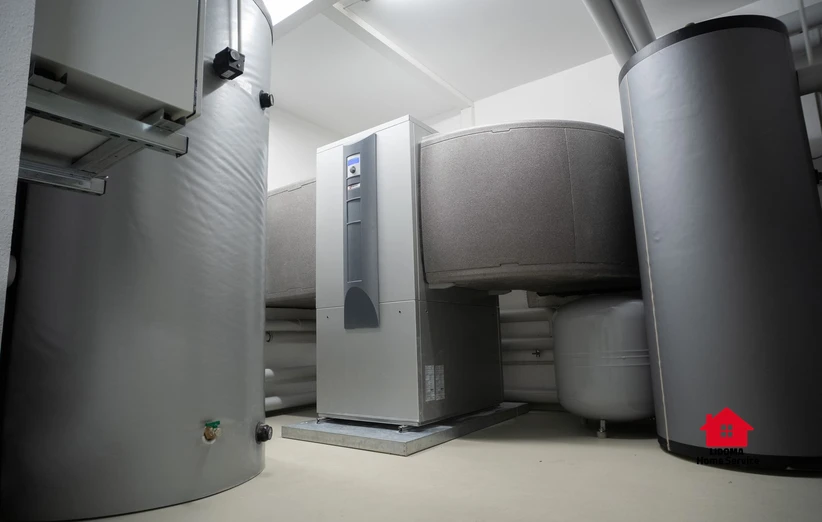
Basement conditions also matter. Many Winnipeg mechanical rooms share space with laundry areas, storage shelves, sump pits, humidifiers, and hot water equipment. If the HEPA cabinet is installed where access is awkward, future maintenance becomes less likely. If it is installed too close to other equipment, service access can become a problem. When Lidoma Home Services plans the installation, the technician considers not only today’s fit but also whether filters can be changed and adjacent equipment can be serviced later.
Humidity control is another seasonal factor. Winter air can become very dry indoors, while summer humidity can rise quickly during wet periods. HEPA filtration captures particles, but it does not add or remove moisture in the way dedicated equipment does. If the home has dry-air complaints, static shocks, wood movement, or condensation concerns, Lidoma Home Services may discuss Humidifier Installation and Maintenance as a separate but related comfort issue.
Ventilation is equally important. A very tight home with strong filtration but weak fresh-air exchange may still feel stale. A home with too much uncontrolled leakage may bring in outdoor dust faster than the filtration system can manage. That is why Lidoma Home Services evaluates the broader air system rather than treating filtration as a standalone product. If balanced ventilation is part of the solution, Professional HRV Installation may be considered in the planning conversation.
The best date is therefore not only about the calendar. It is about choosing a season when access, testing, and follow-up are easiest. Early fall and spring give Lidoma Home Services more opportunity to inspect the home without the furnace or air conditioner being pushed to seasonal extremes.
What a Technician Should Check Before Installing a HEPA System
A proper appointment begins with questions before tools. The technician should ask about dust patterns, pets, allergies, renovation history, furnace filter replacement habits, room-to-room airflow differences, and whether the home feels stale during winter. These answers help determine whether the main issue is particle capture, duct leakage, ventilation, humidity, or general HVAC maintenance. Lidoma Home Services uses this kind of homeowner interview to avoid recommending equipment before understanding the symptom pattern.
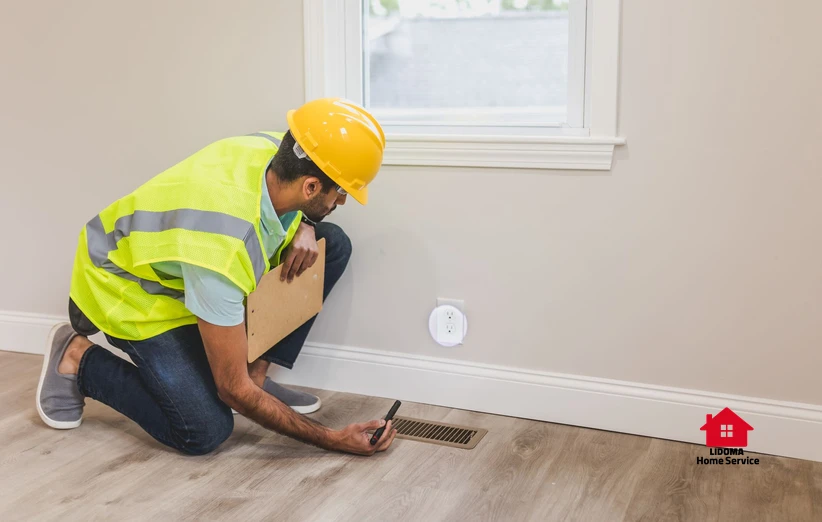
Next comes the mechanical assessment. The technician should examine the furnace or air handler, return plenum, existing filter rack, blower compartment, nearby duct transitions, and available installation space. If the system has a variable-speed blower, the control strategy may differ from an older permanent split capacitor motor or single-stage setup. The goal is to understand how the air handler will respond when filtration resistance changes.
Airflow and pressure are central to the decision. A technician may evaluate external static pressure, pressure drop across the existing filter, return-side restrictions, and supply-side delivery symptoms. High static pressure can indicate that the duct system is already struggling. Installing filtration without addressing that condition can make noise, comfort imbalance, or equipment stress worse. Lidoma Home Services focuses on these fundamentals because clean air equipment must cooperate with the HVAC system rather than fight it.
The technician should also look at duct cleanliness and leakage indicators. A dusty return leak can bypass filtration entirely, while a poorly sealed filter slot can allow air to move around the filter instead of through it. If the home has recently completed drywall sanding, flooring work, or basement renovations, Professional Duct Cleaning may be worth discussing before the new HEPA system begins service.
For homes with combustion appliances, mechanical room changes should be made carefully. Filtration equipment should not block access to the furnace, water heater, service panels, shutoffs, or condensate drainage. If other equipment is due for attention, such as Professional Hot Water Tank Services or furnace maintenance, scheduling work in a coordinated way can reduce disruption and help keep the mechanical room serviceable.
Before work begins, homeowners should ask what type of HEPA configuration is being proposed, how filters will be accessed, how often the unit should be checked, and whether any duct modifications are required. Lidoma Home Services can explain these steps in plain language so the homeowner understands both the benefit and the maintenance responsibility.
Common Scheduling Mistakes to Avoid Before Winter or Summer
The biggest mistake is waiting until the furnace or air conditioner is already under seasonal stress. When a homeowner books during a cold snap or the first hot week, the appointment may be driven by urgency rather than planning. A HEPA system deserves a calmer evaluation because the installation affects airflow, service access, filter maintenance, and sometimes duct configuration.
Another mistake is assuming that a denser filter is always better. High-efficiency media captures more fine particles, but resistance matters. If a homeowner installs a restrictive filter in a standard furnace slot without checking blower capacity, the system may run noisier, move less air, or create uneven temperatures. Lidoma Home Services helps homeowners understand the difference between a standard furnace filter, a media cabinet, and a dedicated HEPA bypass system.
A third mistake is ignoring the return side of the duct system. Supply registers get most of the attention because homeowners feel air coming out of them, but return ducts determine how easily air gets back to the blower. If the return path is undersized or leaky, filtration performance suffers. This is why Lidoma Home Services technicians evaluate return grilles, return drops, basement duct connections, and filter cabinet sealing as part of the planning process.
Use this homeowner checklist before booking:
- Note which rooms collect dust fastest and whether those rooms are near returns or supplies.
- Check whether the current furnace filter bends, whistles, or looks unevenly loaded.
- Write down how often you replace the existing filter and whether it looks dirty quickly.
- Look at the mechanical room and identify storage items that may block access.
- Mention pets, recent renovations, smoking history, fireplace use, or attached garage odours.
- Tell the technician if airflow feels weak, noisy, or different between floors.
- Ask whether the proposed installation will affect future furnace, air conditioner, or duct service access.
Homeowners should also avoid treating filtration as a substitute for maintenance. A HEPA system does not clean a dirty blower wheel, seal duct leaks, correct an oversized furnace, or fix ventilation imbalance. If furnace performance is questionable, Lidoma Home Services may recommend evaluating Furnace Tune-Up and Repair before finalizing filtration work.
The best schedule is the one that leaves enough time to inspect, install, test, and adjust before the next demanding season. For most homes, that means spring or early fall. For homes with significant dust, allergies, or recent renovation debris, the right time may be sooner, but the same airflow checks still apply.
When to Repair, Reconfigure, or Replace an Existing HEPA Setup
If your home already has a HEPA system, seasonal planning is still useful. Many homeowners inherit filtration equipment from a previous owner and do not know whether it is operating correctly. The unit may be disconnected, filters may be overdue, duct connections may be loose, or the installation may no longer match the current furnace or air conditioner. Early fall and spring are good times to evaluate whether the existing system should be serviced, reconfigured, or replaced.
Repair may be reasonable when the cabinet is in good condition, access is acceptable, and the issue is limited to filter replacement, a loose panel, a minor duct seal problem, or a control setting. Lidoma Home Services can inspect the existing setup and explain whether the system appears maintainable. The homeowner should ask where replacement filters are located, how airflow is intended to move through the unit, and whether the system runs continuously or only with the main blower.
Reconfiguration may be needed when the HEPA system is technically usable but poorly located. Common problems include difficult filter access, bypass ducts that are too restrictive, return connections placed where they pull from dusty basement areas, or a layout that blocks service to other equipment. Reconfiguration is often best scheduled outside peak winter or summer because it may require duct modifications and post-work airflow checks.
Replacement becomes more relevant when the cabinet is damaged, the system cannot be serviced safely, filters are not realistically available, airflow problems cannot be corrected with minor changes, or the unit is incompatible with the current HVAC layout. Replacement may also make sense if a furnace or air conditioner upgrade has changed blower performance or duct requirements. If a homeowner is planning Expert Furnace Installation, filtration should be discussed during the design stage rather than after the new system is installed.
Homeowners should not decide repair versus replacement based only on age. A poorly installed newer unit can perform worse than an older system that was properly sized and maintained. The better question is whether the system captures air effectively without harming airflow, whether it can be maintained without frustration, and whether it fits the home’s current equipment.
Lidoma Home Services can help homeowners make this decision using practical criteria: condition, access, airflow, duct layout, filter availability, and seasonal urgency. That approach keeps Affordable HEPA Filter Installation grounded in long-term usability instead of a quick equipment swap.
What to Expect When You Book With Lidoma Home Services
When you book with Lidoma Home Services, expect the appointment to begin with a clear discussion of your home’s symptoms and seasonal goals. A homeowner preparing for winter may be concerned about stale air and dust while the furnace runs. A homeowner preparing for summer may be focused on pollen, outdoor dust, or smoke particles entering during cooling season. The technician uses those concerns to decide what must be inspected before recommending HEPA Filter Installation.
The on-site review typically focuses on the furnace or air handler, return duct, filter slot, mechanical room space, and service access. The technician may discuss static pressure, airflow, bypass routing, filter replacement access, and how the system will operate with the blower. These details matter because a HEPA system should improve particle capture without creating a hidden airflow penalty.
Homeowners should expect plain-language explanations. If the return duct is too tight, the technician should explain why that matters. If the existing filter rack leaks around the edges, the technician should show how air can bypass the filter. If the mechanical room is crowded, the technician should explain how placement affects future maintenance. Lidoma Home Services aims to make the decision understandable rather than overwhelming.
If related work is relevant, it should be discussed as a sequence, not as pressure. For example, if the blower compartment is dirty, Professional Furnace Cleaning may be a sensible first step. If the home has visible duct debris after renovation, Professional Duct Cleaning may reduce the load placed on the new filtration system. If the air conditioner is struggling, Expert Air Conditioner Tune-Up and Repair may need attention before airflow changes are made.
After installation, ask how to check the unit, how often filters should be inspected, what warning signs to watch for, and whether the system should run continuously or only during blower operation. Filter intervals vary by home conditions, so avoid relying only on a generic calendar. Pets, renovations, outdoor dust, and occupancy all affect loading.
Book Your Seasonal HEPA Planning Appointment
Call Lidoma Home Services at +1 204 297 4420 or +1 431 374 3360. For Expert HVAC services Winnipeg homeowners can plan around spring pollen, summer cooling, fall furnace preparation, and winter indoor air quality, schedule before the next weather shift whenever possible.
FAQ: Seasonal HEPA Questions Winnipeg Homeowners Ask
Is fall really better than winter for installing a HEPA system?
Often, yes. Fall gives the technician time to evaluate airflow before the furnace is running long winter cycles. If the installation requires duct adjustments, filter cabinet placement decisions, or static pressure review, it is easier to complete that work before the heating system is under daily stress. Lidoma Home Services can still help in winter, but fall usually provides better planning conditions.
Should I install HEPA filtration before or after duct cleaning?
It depends on the condition of the ductwork. If there is visible renovation dust, debris in return runs, or contamination that could quickly load a new filter, Professional Duct Cleaning may be worth discussing first. If the ducts are reasonably clean and the main concern is fine particle capture, the HEPA installation may proceed without that step. Lidoma Home Services can inspect and advise based on what is actually present.
Can a HEPA system make my furnace work harder?
It can if installed without proper airflow planning. Any filtration system introduces resistance, and the effect depends on duct design, blower capability, filter condition, and installation configuration. Lidoma Home Services evaluates return-air pathways and static pressure concerns so the system improves filtration without creating avoidable airflow problems.
Is spring a good time if my main concern is allergies?
Yes. Spring can be a strong timing choice because pollen, outdoor dust, and seasonal particles begin entering the home more frequently. It also allows the technician to consider cooling airflow before air conditioning season. If you are also scheduling Professional Air Conditioner Installation or cooling service, filtration should be part of the same airflow conversation.
Will HEPA filtration fix dry winter air?
No. HEPA filtration targets airborne particles; it does not add moisture. If your winter concern includes dry throat, static shocks, shrinking wood, or humidity readings that are too low, ask Lidoma Home Services whether Humidifier Installation and Maintenance should be evaluated separately.
What warning signs mean I should call before the next season?
Call before the next heating or cooling season if your current filter whistles, bends, gets dirty unusually fast, or leaves dust streaks around the cabinet. Also call if rooms have weak airflow, the furnace short cycles, the air conditioner struggles to cool evenly, or you recently completed dusty renovations. Lidoma Home Services can assess whether filtration, duct sealing, maintenance, or another HVAC issue is the real priority.
How do I start planning?
Book a seasonal assessment before the next major weather change. Call Lidoma Home Services at +1 204 297 4420 or +1 431 374 3360 and ask about HEPA Filter Installation in Winnipeg, Manitoba with airflow evaluation.