Dusty Vents, Odd Smells, Weak Airflow: When Winnipeg Ducts Need Help
A Practical Warning-Signs Manual for Winnipeg Homeowners Considering Duct Cleaning
Author : Lidoma Home Services Ltd
If you are noticing grey dust around supply registers, stale odours when the furnace starts, weak airflow in certain rooms, or allergy-like irritation that seems worse indoors, your duct system may be telling you something. Not every dusty shelf means your ducts need cleaning, but certain patterns point to debris buildup, airflow restriction, moisture concerns, or a filtration problem that should be checked by a professional.
Winnipeg homes put ductwork through hard seasonal cycles. During long heating seasons, the furnace blower runs for many hours and can move household dust, pet hair, renovation debris, and lint through return-air pathways. During humid summer periods, air conditioning can create condensation risks around cold metal ducts, especially in basements and older homes with mixed insulation quality. That combination makes warning signs worth taking seriously.
Lidoma Home Services helps homeowners separate normal household dust from duct-system symptoms that deserve attention. The company’s technicians use a process-based approach: visual inspection at registers, return-side assessment, furnace cabinet review, airflow observations, and cleaning methods suited to the condition of the system. If the signs point to the duct network, homeowners can book Professional Duct Cleaning and ask practical questions before the appointment.
This guide focuses on what you actually notice in the home, why those symptoms happen, when to call, and what a technician should check before cleaning starts. It also explains how related issues such as filtration, blower performance, humidity, and ventilation can mimic dirty ducts.
1. Dust That Returns Quickly After Cleaning: What It Usually Means
Dust is part of every occupied home, so the key warning sign is not dust by itself. The concern is dust that returns unusually fast, collects in dark rings around supply registers, or appears as grey streaking on ceilings and walls near vents. Those patterns often suggest that air is carrying fine particles through gaps, dirty boot connections, return-air leaks, or debris inside accessible duct runs. In a forced-air system, the blower creates pressure differences between the return side and supply side. If dust is being pulled from basement joist cavities, wall chases, or unsealed return pathways, the ducts can become a distribution route rather than simply a hidden metal passage.
In Winnipeg, many homes have basement mechanical rooms where return ducts, furnace cabinets, laundry areas, storage shelves, and renovation materials share the same space. Fine lint from laundry, sawdust from past projects, pet dander, and ordinary soil tracked in during slushy shoulder seasons can all find their way toward returns. Once inside the air stream, particles can settle in duct elbows, branch takeoffs, register boots, and around damp or slightly sticky surfaces. Lidoma Home Services looks at these conditions before recommending Professional Duct Cleaning because cleaning the ducts without understanding how dust is entering the system may only provide short-term improvement.
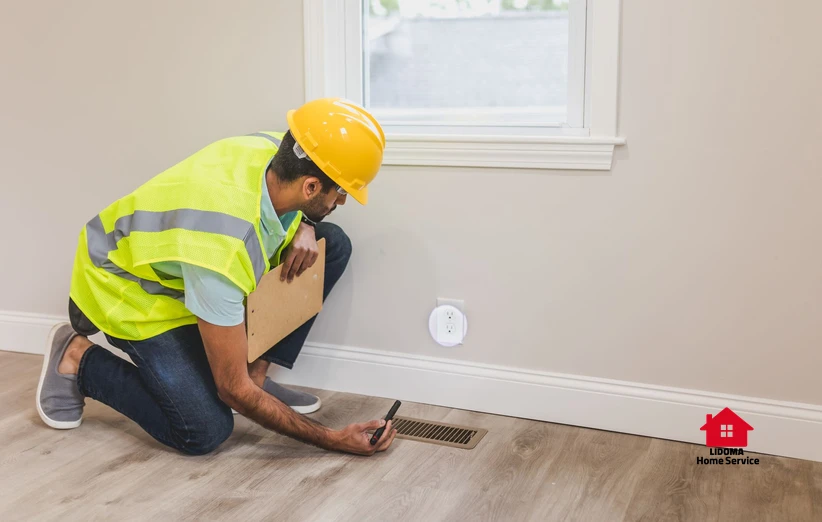
A practical homeowner test is to remove one or two supply register covers and look inside with a flashlight. A thin film of dust is common. Matted debris, visible pet hair clumps, drywall dust, insect debris, or loose material that can be disturbed by airflow is more meaningful. Also check return grilles, because return-side contamination often tells the better story. If the return grille is coated quickly after filter replacement, the system may be pulling dust from the living area faster than the filter and return system can manage.
Filter condition matters. A clogged filter increases resistance and can reduce airflow across the furnace or air-conditioning coil. A filter that is too restrictive for the blower and duct design can also raise static pressure, causing air to seek paths through gaps. A filter that fits poorly can allow bypass, letting dust enter the blower compartment. Lidoma Home Services technicians do not treat duct cleaning as an isolated task; they also consider whether the filter rack seals properly and whether the filter type makes sense for the system. If the furnace cabinet is contaminated, related Professional Furnace Cleaning may be discussed as a separate issue because the blower compartment and heat exchanger area are not the same as the duct network.
Call a technician when dust appears in bands around registers, when cleaning the room does not solve the problem, when you see visible debris inside ducts, or when dust symptoms started after renovations, drywall sanding, flooring work, insulation work, or a long period with a missing or poorly seated filter. This is where Professional Duct Cleaning in Winnipeg, Manitoba is most useful: not as a routine promise that every house needs it on a fixed schedule, but as a response to clear contamination symptoms and a system inspection that explains the source.
2. Musty, Burnt-Dust, or Stale Odours When the Blower Starts
Odour is one of the most common reasons Winnipeg homeowners start searching for duct cleaning warning signs. A brief dusty smell at the first furnace startup of the heating season can happen when settled dust on warm surfaces is disturbed. The more important warning signs are odours that persist, return every cycle, seem stronger at certain vents, or become noticeable after a humid week, basement moisture event, pet accident, or renovation. Ducts can hold dust, but they can also move odours from other sources through the entire house.
A musty smell deserves careful attention because moisture changes the risk profile. Dust alone is mostly a housekeeping and airflow concern; dust plus moisture can support microbial growth on certain surfaces. Winnipeg basements can experience moisture from foundation seepage, plumbing leaks, floor drains, humid summer air, or condensate drainage problems around air-conditioning equipment. If a cold supply duct sweats in a humid basement, nearby insulation, wood, or dust can absorb moisture. The duct may not be the original source, but the duct system can circulate the smell. Lidoma Home Services technicians assess whether the odour is strongest near returns, supply branches, the furnace cabinet, humidifier components, or basement sources before deciding whether Professional Duct Cleaning is the correct next step.
Burnt-dust odours require a different interpretation. If the furnace has been off for months, a light smell during initial startup may fade quickly. If the smell is sharp, electrical, smoky, or accompanied by unusual furnace noise, shut the system down and call for HVAC service rather than assuming duct cleaning will solve it. Blower motor issues, overheating components, belt or bearing problems in older equipment, wiring concerns, or debris near hot surfaces can create smells that should be inspected. In those cases, a Furnace Tune-Up and Repair assessment may be more appropriate before any duct cleaning is scheduled.
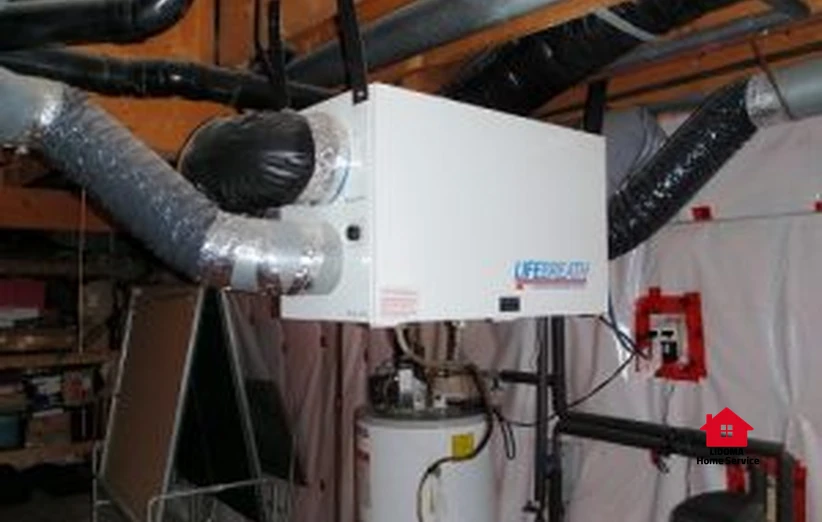
Stale air can also come from low ventilation rates. Modern windows, air sealing upgrades, and long winter periods with closed homes reduce natural air exchange. Cooking odours, pet smells, basement storage odours, and household chemicals can linger and be redistributed by the blower. If the home lacks balanced ventilation or has an underperforming ventilation strategy, duct cleaning may improve debris conditions but not fully solve stale air. Depending on the home, Lidoma Home Services may discuss whether Professional HRV Installation is relevant, especially when odours pair with condensation on windows or stuffy bedrooms.
Call a professional when odours are persistent, when smells worsen with furnace or air-conditioner operation, when mustiness follows water intrusion, or when a burnt smell does not disappear quickly. A good appointment should include source tracing, not just cleaning equipment setup. For homeowners looking for Expert HVAC services Winnipeg, that distinction matters: the technician should determine whether the symptom comes from ducts, furnace components, humidity, drainage, filtration, or ventilation before recommending the correct work.
3. Weak Airflow, Cold Rooms, and Noisy Registers Are Not Always a Cleaning Problem
A room that never warms properly in January or barely cools in July can feel like a duct cleaning issue, but weak airflow has several possible causes. Dirt inside ducts can contribute if debris blocks a branch line, register boot, damper, or return pathway. However, airflow problems can also come from undersized duct branches, closed balancing dampers, crushed flex duct, disconnected duct joints, restrictive filters, dirty evaporator coils, blower speed settings, or high static pressure across the system. The warning sign is especially important when the problem appears suddenly or after work was done in the basement, ceiling, attic, or mechanical room.
Winnipeg homes often have finished basements where ductwork was boxed in years after the original furnace was installed. Renovations can hide dampers, squeeze return-air openings, or add rooms without enough supply and return capacity. Older homes may have duct systems designed for older equipment and different airflow expectations. When a modern furnace or air conditioner is connected to older ductwork, the system can become sensitive to filter restriction, dirty blower wheels, or blocked returns. Lidoma Home Services technicians consider these airflow mechanics before framing Professional Duct Cleaning as the answer.
Noisy registers can indicate pressure problems. Whistling at a grille may mean the grille is too small, the damper is nearly closed, the filter is plugged, or the blower is pushing against resistance. Rattling can come from loose sheet metal, an unbalanced blower, or pressure changes when doors close. Popping ducts can occur when metal expands or contracts during heating cycles. Cleaning debris may help if a restriction is present, but cleaning will not correct poor duct design, missing return paths, or incorrect blower setup. If airflow symptoms are tied to heating performance, Lidoma Home Services may recommend a diagnostic visit for Furnace Tune-Up and Repair before or along with duct service.
Homeowners can do a few safe checks before calling. Confirm that supply registers are open and not covered by rugs or furniture. Check that return grilles are not blocked by shelving, laundry piles, or stored boxes. Replace a visibly loaded filter with the correct size and type for the system. Keep interior doors open for a cycle and see whether airflow changes. If one room remains weak while others are strong, the issue may be localized to that branch. If the entire house feels weak, the problem may be system-wide.
Call a technician when airflow is uneven despite open vents and clean filters, when registers whistle or vibrate, when the furnace short cycles, when the air conditioner struggles during humid heat, or when rooms over a garage, in additions, or at the end of long duct runs never match the thermostat area. Lidoma Home Services can inspect accessible duct sections, register boots, return pathways, filter fit, blower cleanliness, and system operation. When cleaning is justified, Affordable Professional Duct Cleaning should still be connected to airflow diagnosis rather than sold as a cure-all.
4. Allergy-Like Irritation Indoors: How to Separate Duct Symptoms from Filtration and Humidity Issues
Sneezing, dry throat, itchy eyes, headaches, or congestion that seems worse at home can make duct contamination feel obvious, but indoor irritation is rarely caused by one factor. Airborne particles, humidity levels, ventilation rate, filter performance, pet dander, cleaning products, candles, gas appliances, and outdoor air infiltration can all contribute. Duct debris becomes more relevant when symptoms increase during blower operation, after registers blow visible dust, or after a known contamination event such as renovations, pest activity, or a long period without proper filtration.
Winnipeg’s climate complicates this because winter air is often very dry once heated indoors. Dry air can irritate nasal passages and make dust feel more noticeable, even when particle levels have not changed dramatically. In summer, high outdoor humidity can make basements feel damp and can intensify musty smells. A home that is too dry in February and too damp in July needs a broader HVAC lens. Lidoma Home Services evaluates duct cleanliness alongside humidity control, filtration, and ventilation because a homeowner may need Humidifier Installation and Maintenance or HEPA Filter Installation rather than relying on duct cleaning alone.
Filtration is central. A better filter can help capture smaller particles, but only if the furnace blower can handle the added resistance and the filter rack prevents bypass. Installing a highly restrictive filter in a duct system that already has high static pressure can reduce airflow and create comfort problems. Conversely, using a very low-efficiency filter or a poorly fitting filter can let debris coat the blower wheel and supply ducts. A technician should look at filter size, cabinet fit, pressure symptoms, and dust patterns before advising the homeowner.
Duct cleaning can be a useful part of an indoor air quality plan when there is visible debris, heavy return-side dust, pet hair buildup, post-renovation contamination, or odours released during system operation. It is less likely to solve symptoms caused by dry air, chemical irritants, outdoor smoke infiltration, or insufficient fresh-air exchange. Lidoma Home Services avoids treating every comfort complaint as a cleaning job; the better approach is to identify whether the symptom is particle-related, moisture-related, ventilation-related, or equipment-related.
A practical checklist before calling includes noting when symptoms occur, which rooms feel worse, whether the blower is on, whether symptoms improve when away from home, and whether any recent changes happened. Did you install new flooring? Finish a basement? Bring in a shedding pet? Change filter types? Close off rooms for winter? These details help the technician connect symptoms to causes. Professional Duct Cleaning in Winnipeg, Manitoba can be the right solution when the duct system is clearly part of the particle pathway, but the best result usually comes from pairing cleaning with the correct filter, return-air condition, and humidity strategy.
5. Winnipeg-Specific Warning Signs: Renovation Dust, Basement Returns, Pets, and Seasonal Runtime
Winnipeg housing stock includes a wide mix of older character homes, mid-century bungalows, split-level homes, newer infill properties, and finished basements. Each style can create different duct-cleaning warning signs. Older homes may use wall cavities or joist spaces as return-air pathways. Finished basements may conceal ductwork behind drywall or bulkheads. Homes with basement mechanical rooms may draw return air near storage, laundry, cat litter areas, workshops, or floor dust. These conditions do not automatically mean ducts are dirty, but they explain why symptoms often show up around return grilles and basement-connected air pathways.
Renovation dust is one of the clearest triggers. Drywall sanding dust is very fine and can move through small gaps. Flooring work, cutting, plaster repair, insulation disturbance, and cabinetry installation can load the air with particles. If the HVAC system ran during the project, dust may have been pulled through returns and deposited in ducts, blower compartments, filters, and coils. Lidoma Home Services asks about recent renovations because post-renovation contamination often requires a different expectation than normal household dust. A homeowner may need Professional Duct Cleaning plus inspection of furnace components if the system operated without adequate protection.
Pets change the return-air load. Hair, dander, litter dust, and outdoor debris from paws can collect at returns and in duct sections. In winter, pets often spend more time indoors while the furnace runs for long periods, increasing circulation through the HVAC system. In spring and fall, shedding can intensify. If you see fur mats behind return grilles or smell pet odours when the blower starts, the ducts may be acting as a reservoir. Lidoma Home Services technicians look for return-side buildup first because pet-related debris often enters there before moving downstream.
Seasonal runtime matters. Winnipeg’s heating season can mean many months of furnace blower operation, and summer cooling cycles add more hours of air movement. The more the blower runs, the more opportunity there is for airborne particles to be captured, bypass filters, or settle in low-velocity areas. Elbows, transitions, and long horizontal runs can accumulate debris if airflow is low or duct surfaces are rough with dust. Duct cleaning is more compelling when heavy runtime pairs with visible contamination or performance symptoms.
Basement humidity and condensation are also local concerns. During humid summer weather, cold supply ducts in basements can sweat if insulation, air sealing, or dehumidification is poor. Moisture on or near ducts can make dust adhere and create odour issues. If condensation appears on diffusers or duct surfaces, the homeowner should not assume cleaning alone will solve it. The technician should consider airflow, air-conditioning coil condition, refrigerant-related cooling performance, condensate drainage, humidity levels, and insulation. If cooling operation is part of the issue, Lidoma Home Services may recommend Expert Air Conditioner Tune-Up and Repair before or alongside duct cleaning.
Call when a warning sign follows a known event: renovation, water leak, pest disturbance, filter failure, basement finishing, or a sudden change in odour or airflow. These event-based clues help separate normal maintenance from a real duct-system concern. For homeowners comparing Expert HVAC services Winnipeg, the right provider should ask these local-context questions before giving a recommendation.
6. What Lidoma Home Services Checks During a Duct Cleaning Assessment
A useful duct-cleaning appointment starts before the cleaning equipment is fully deployed. The technician should first confirm what symptoms the homeowner noticed and where they appear. Are the dusty vents on the second floor only? Does the smell come from all vents or one branch? Did airflow drop after a filter change? Did the symptoms start after a renovation? Lidoma Home Services uses these homeowner observations to guide inspection points rather than treating every duct system the same.
The assessment usually focuses on access points and visible indicators. Supply registers may be removed to inspect register boots and branch openings. Return grilles are checked for heavy dust loading, pet hair, lint, and signs of leakage around wall cavities or basement framing. The filter slot is reviewed for fit and bypass gaps. The furnace cabinet may be visually inspected for dust migration, especially around the blower compartment. If the blower wheel is coated, cleaning ducts without addressing the blower can leave a major source of reduced airflow in place. In that case, related Professional Furnace Cleaning may be discussed as a separate service.
Technicians also pay attention to airflow clues. A visibly dirty duct is one concern; a duct that is dirty because airflow is poor is another. Low-velocity branches can allow particles to settle. Closed dampers, disconnected branches, crushed sections, or blocked returns can change pressure balance. If a homeowner reports weak airflow, the technician should look for mechanical causes rather than assuming debris is the only issue. Lidoma Home Services takes this diagnostic approach because duct cleaning should not hide a system-performance problem.
During the cleaning process, professional equipment is used to dislodge and remove debris from duct surfaces and accessible duct runs. The exact setup depends on the home’s duct layout, access, and condition. The goal is controlled debris removal, not simply blowing dust from one area to another. Homeowners should expect the technician to protect the work area, explain access needs, and identify any issues found during the job, such as loose register boots, poor filter fit, or unusual contamination. The homeowner should also ask whether both supply and return sides are being addressed, because return ducts are often where the heaviest debris begins.
A practical homeowner checklist for the appointment:
- Show the technician the vents with the worst dust, odour, or airflow symptoms.
- Point out recent renovation areas, water leaks, pet zones, or rooms that are hard to heat or cool.
- Have the current furnace filter available so its size, fit, and loading can be reviewed.
- Ask whether the return side, supply side, register boots, and accessible trunk lines are included in the scope.
- Ask what findings would indicate a furnace, air-conditioner, humidifier, or ventilation issue instead of a duct-only issue.
- Keep pets and stored items away from registers and the mechanical room before the visit.
When you book Professional Duct Cleaning with Lidoma Home Services, the most valuable part is not only debris removal; it is the system thinking around why the debris appeared and whether another HVAC condition is contributing.
7. Common Mistakes to Avoid Before Booking Duct Cleaning
The first mistake is assuming that any dust in the home proves the ducts are the source. Dust can come from textiles, skin cells, pets, cooking, candles, fireplaces, outdoor soil, leaky windows, and basement storage. If the dust pattern is general rather than vent-related, the solution may involve cleaning routines, filtration, humidity control, or air sealing. Duct cleaning is most justified when there are duct-specific warning signs: visible debris inside vents, dust discharge during blower operation, return grilles loading quickly, persistent odour from vents, or contamination after a known event.
The second mistake is installing the strongest filter available without considering airflow. Many homeowners want better filtration, which is understandable, but a filter that is too restrictive for the duct system can increase static pressure, reduce airflow, stress the blower, and contribute to comfort complaints. If the home already has weak airflow, whistling grilles, or rooms that never condition properly, filter choice should be reviewed with an HVAC professional. Lidoma Home Services can help homeowners understand whether filtration upgrades, HEPA Filter Installation, or duct cleaning are appropriate for the system design.
The third mistake is ignoring moisture. If there is musty odour, condensation on ducts, damp basement air, or water staining near the furnace or air conditioner, cleaning alone may not address the source. Moisture-related symptoms need source control. That might involve condensate drainage inspection, humidity management, insulation around cold surfaces, ventilation review, or air-conditioning performance checks. If the air conditioner is not removing moisture effectively, Expert Air Conditioner Tune-Up and Repair may be more important than cleaning the ducts first.
The fourth mistake is running the HVAC system during dusty renovation work without protection. If cutting, sanding, demolition, or insulation work is happening, returns should be protected appropriately and filters should be monitored. After the project, a filter change alone may not be enough if the system ran heavily during the work. Lidoma Home Services often finds that renovation dust settles in return pathways and register boots, especially when basement finishing or drywall sanding occurred close to return openings.
The fifth mistake is treating duct cleaning as a substitute for equipment maintenance. A dirty blower wheel, clogged evaporator coil, weak blower motor, or combustion-related furnace issue will not be solved by cleaning supply branches. If the furnace is noisy, short cycling, overheating, or producing unusual smells, schedule Furnace Tune-Up and Repair rather than trying to solve it through duct cleaning. If the furnace interior itself is contaminated, Professional Furnace Cleaning may be the relevant service.
The sixth mistake is not asking what is included. Before booking, homeowners should ask whether the company inspects returns and supplies, how access is handled, what the technician does if they find damaged ductwork, and how the home is protected during the work. Lidoma Home Services encourages these questions because a clear scope helps homeowners compare value instead of focusing only on vague claims. Affordable Professional Duct Cleaning should mean appropriate work for the home’s actual symptoms, not a rushed visit that ignores the system.
8. When to Repair, Replace, or Clean: Making the Right Ductwork Decision
Duct cleaning is the right choice when the duct surfaces and accessible pathways contain removable debris and the ductwork itself is reasonably intact. Examples include post-renovation dust, pet hair buildup, visible debris in register boots, dust mats on return grilles, and odours tied to accumulated material. In those situations, Professional Duct Cleaning can remove contaminants and give the homeowner a cleaner baseline for filtration and maintenance.
Repair becomes relevant when the duct system has physical defects. A disconnected branch, loose boot, leaking return cavity, crushed duct section, missing end cap, or damaged seal can cause dust entry, weak airflow, odour transfer, and comfort imbalance. Cleaning debris from a leaky return may help temporarily, but the leak will continue to pull dust from the basement, wall cavity, or storage area. Lidoma Home Services looks for these clues because homeowners deserve to know when cleaning is only part of the solution.
Replacement or redesign may be relevant when duct layout is fundamentally wrong for the home or equipment. This does not mean every older duct system must be replaced. It means that persistent airflow problems, chronic room imbalance, undersized returns, excessive noise, or high static pressure may require changes beyond cleaning. If a home has had major renovations, additions, or equipment changes, the original duct layout may no longer match the load and airflow needs. If equipment replacement is being considered, duct condition should be reviewed during Expert Furnace Installation planning or Professional Air Conditioner Installation planning so the new equipment is not connected to an unsuitable air distribution system.
Cleaning is not a repair for moisture damage. If duct insulation is wet, if there is active condensation, or if nearby building materials are damp, the moisture source must be corrected. Depending on the cause, that may involve drainage, humidity control, ventilation, insulation, or cooling-system diagnostics. Duct cleaning may follow after the moisture issue is corrected, but cleaning first can leave the homeowner with returning odours.
Homeowners should call a professional rather than guessing when symptoms overlap: dust plus weak airflow, odour plus humidity, noisy registers plus temperature imbalance, or visible debris plus furnace performance issues. Lidoma Home Services can help determine whether the next step is cleaning, equipment maintenance, duct repair discussion, filtration improvement, or ventilation review. This decision-making approach is especially important in Winnipeg homes where older duct layouts and modern equipment often operate together.
9. What to Expect When You Book Lidoma Home Services
Booking should begin with a clear description of the warning signs. Tell Lidoma Home Services whether you are seeing dust at specific vents, smelling odours during heating or cooling, noticing weak airflow, dealing with allergy-like irritation, or responding to a recent event such as renovation work or water intrusion. The more specific the symptoms, the better the technician can focus the visit.
Before arrival, homeowners can make the appointment smoother by clearing access to supply registers, return grilles, the furnace area, and the main duct trunks where accessible. In many Winnipeg homes, the mechanical room shares space with storage, laundry, freezers, tools, and seasonal items. Moving items away from the furnace and main returns helps the technician work safely and efficiently. If certain rooms are the main concern, leave those doors open and point them out at the start.
During the appointment, expect questions and inspection before cleaning. Lidoma Home Services may review the filter, returns, supply registers, visible duct sections, furnace cabinet condition, and any unusual dust or odour sources. If the findings support cleaning, the technician can explain the scope and process. If the findings point to another issue, such as blower contamination, humidity problems, or cooling-system drainage concerns, the technician should explain that as well. This is what separates Expert HVAC services Winnipeg from a one-size-fits-all service call.
After cleaning, homeowners should receive practical observations. For example, the technician may note heavy return-side pet hair, poor filter fit, signs of renovation dust, blocked registers, or possible duct leakage. These findings help prevent the same problem from returning quickly. Homeowners should ask what maintenance steps matter most for their specific home: filter change intervals based on use, keeping returns clear, managing basement humidity, or scheduling equipment maintenance where needed.
Call Lidoma Home Services for Duct Warning Signs
If your home has dusty vents, stale odours, weak airflow, or post-renovation debris, contact Lidoma Home Services directly:
+1 204 297 4420
+1 431 374 3360
For homeowners ready to schedule Professional Duct Cleaning, keep both numbers handy: +1 204 297 4420 and +1 431 374 3360.
A good service visit should leave you with cleaner duct pathways where cleaning was needed and a clearer understanding of the system conditions behind the symptoms. That is the real value: not just removing debris, but helping the homeowner make better decisions about airflow, filtration, humidity, and HVAC maintenance.
10. FAQ: Real Winnipeg Homeowner Questions About Duct Cleaning Warning Signs
How do I know if my ducts are dirty enough to need cleaning?
Look for patterns rather than isolated dust. Stronger warning signs include visible debris inside register boots, dust blowing from vents when the blower starts, return grilles that load quickly, persistent odours from multiple vents, heavy pet hair near returns, or symptoms that started after renovation work. Lidoma Home Services can inspect these signs and determine whether Professional Duct Cleaning is appropriate.
Can duct cleaning fix weak airflow in one room?
Sometimes, but not always. If debris is blocking a branch, register boot, or damper, cleaning may help. If the problem comes from duct sizing, a closed damper, a disconnected branch, restrictive filtration, or blower performance, cleaning alone will not correct it. A technician should check airflow clues before promising a result.
Why does my house smell musty when the air conditioner runs?
Musty cooling-season odours may involve moisture, not just dust. Possible contributors include condensation on cold ducts, damp basement air, dirty evaporator coil surfaces, condensate drainage problems, or low ventilation. Duct cleaning may be part of the solution if debris is present, but Lidoma Home Services may also recommend checking cooling performance through Expert Air Conditioner Tune-Up and Repair.
Should I clean ducts after a basement renovation?
If the HVAC system ran during drywall sanding, demolition, flooring cutting, or insulation work, duct inspection is wise. Fine renovation dust can enter returns and settle in ducts, register boots, filters, and furnace compartments. Cleaning is more likely to be justified after a dusty project than on an arbitrary calendar schedule.
Will duct cleaning solve allergies?
It can help when ducts contain visible debris, pet dander buildup, or renovation dust that is being circulated. It will not solve every irritation source. Dry winter air, poor ventilation, chemical irritants, outdoor particles, and inadequate filtration can also affect symptoms. Lidoma Home Services may discuss humidity control, filter fit, HEPA Filter Installation, or ventilation depending on the home.
How often should Winnipeg homeowners book duct cleaning?
There is no single schedule that fits every home. Timing depends on pets, renovations, filter performance, visible debris, odours, moisture history, and how much the system runs. Instead of relying only on a calendar, use warning signs and inspection findings. Homes with pets, recent construction, or return-air leakage may need attention sooner than homes with good filtration and low debris load.
When should I call instead of waiting?
Call when you see debris inside ducts, smell persistent musty or burnt odours, notice dust blowing from vents, experience sudden airflow changes, or have symptoms after renovation or water intrusion. For practical scheduling, contact Lidoma Home Services at +1 204 297 4420 or +1 431 374 3360. If the issue is duct-related, the team can discuss Affordable Professional Duct Cleaning; if another HVAC problem is involved, they can explain the next diagnostic step.