Before an HRV Goes In: Safety Checks for Winnipeg Homes
A Technical Homeowner Safety Manual for Winnipeg, Manitoba Ventilation Upgrades
Author : M. Behnezad
Winnipeg homeowners usually think about an HRV as an indoor-air-quality upgrade, but the safety side matters just as much as fresh air. A heat recovery ventilator connects the outdoors, the return-air side of the HVAC system, the basement mechanical room, wall penetrations, condensate drainage, and sometimes the same airflow environment as fuel-burning appliances. If it is sized poorly, ducted carelessly, or installed without checking pressure relationships, it can create frost problems, water damage, stale rooms, noisy airflow, or combustion safety concerns.
That is why Professional HRV Installation should start with inspection, not with cutting holes. In Winnipeg, Manitoba, winter design conditions, spring melt moisture, older basements, and tight renovations can all change how an HRV behaves after installation. The safest result comes from measuring airflow paths, understanding existing duct restrictions, confirming drainage, and checking how the ventilation system will interact with the furnace, water heater, humidifier, filters, and building envelope.
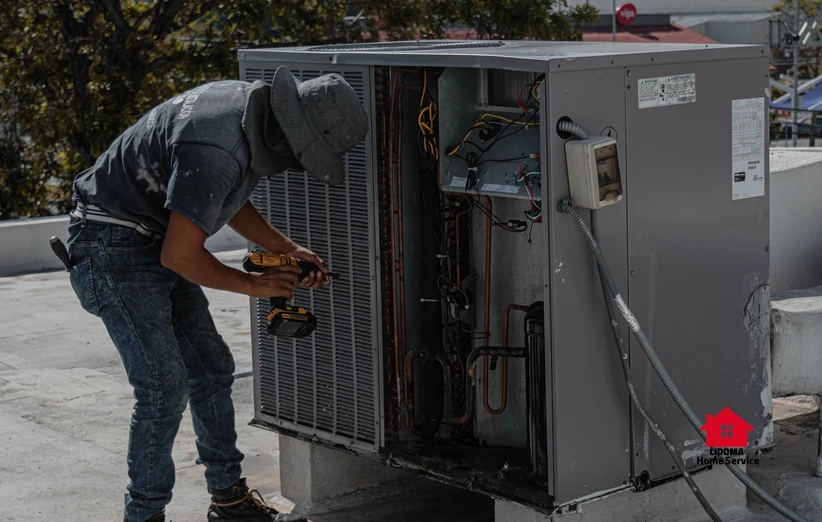
Lidoma Home Services approaches HRV work as part of the whole HVAC system. Their technicians look at duct routing, static pressure indicators, condensate management, outdoor hood locations, equipment access, and homeowner usage patterns before recommending a layout. For homeowners comparing Expert HVAC services Winnipeg, the key question is not simply whether an HRV can be installed. It is whether the installation will ventilate safely through Winnipeg freeze-thaw conditions.
Need HRV safety advice before booking?
Call Lidoma Home Services:
+1 204 297 4420
+1 431 374 3360
Keep these numbers handy if you notice frost near vents, persistent window condensation, unusual odours after ventilation equipment runs, or a basement mechanical-room concern.
1. Why HRV Safety Starts With Air Pressure, Not the Unit Box
An HRV is not just a fan cabinet. It is a balanced ventilation system that brings outdoor air in while exhausting stale indoor air out through a heat-exchange core. The safety issue is balance. If the exhaust side moves more air than the supply side, the home can be placed under negative pressure. If the supply side overwhelms the exhaust side, moisture may be driven into wall cavities or attic bypasses. In Winnipeg homes, where the temperature difference between indoors and outdoors can be extreme for long stretches, small pressure errors can produce large building-science consequences.
Negative pressure matters because many Winnipeg houses still have basement mechanical rooms with fuel-burning equipment. A furnace or water heater that depends on proper venting should not have its combustion environment disturbed by an incorrectly balanced ventilation system. The concern is not that every HRV installation automatically creates a hazard; the concern is that no responsible installer should assume the home is safe without checking airflow interactions. Lidoma Home Services technicians treat the HRV as one part of a pressure system, not as an isolated appliance.
A professional pre-installation review should consider exhaust fans, clothes dryers, kitchen hoods, basement doors, leaky return ducts, and any existing ventilation equipment. These loads can all affect pressure when they run at the same time. A homeowner may never notice the problem until a cold evening when the HRV, dryer, bath fan, and furnace all operate together. That is why Professional HRV Installation in Winnipeg, Manitoba should include a conversation about normal household routines, not just equipment location.
Technically, the installer is looking for a safe path for outdoor air, a reliable path for stale air exhaust, and a reasonable way to balance the two. Tools such as airflow measuring devices, static pressure checks, and temperature and humidity readings help reveal restrictions that are invisible from the basement floor. Lidoma Home Services uses these inspection steps to decide whether existing ductwork can support the HRV connection or whether dedicated ducting is the safer approach.
Homeowners can prepare by thinking about symptoms they already see. Window condensation, smoky fireplace odours, doors that slam when exhaust fans run, basement smells pulled upstairs, and weak airflow from existing registers can all hint at pressure or distribution problems. These are not reasons to panic, but they are reasons to avoid a rushed installation. A safe HRV project begins with the question: how will this home breathe when all systems are operating together?
2. Winnipeg Freeze Risk: Frost, Condensate, and Outdoor Hood Placement
Winnipeg winter creates a specific HRV safety risk that milder climates do not experience as often: frost management. An HRV moves warm, moisture-laden indoor air through a core while cold outdoor air passes nearby. That exchange is useful, but when temperatures drop hard, moisture can freeze inside the core, in exterior ducting, or around outdoor hoods if the installation is poorly planned. Frost buildup can reduce airflow, cause nuisance shutdowns, force water where it does not belong, or make the homeowner believe the HRV is working while actual ventilation has dropped.
Outdoor hood placement is a practical safety detail. Intake and exhaust terminations need to be positioned so the HRV does not pull its own exhaust air back into the home. They also need to be located away from obvious contamination sources such as vehicle exhaust areas, dryer lint discharge, and places where drifting snow commonly blocks openings. In older Winnipeg neighbourhoods, narrow side yards, low foundation clearances, mature shrubs, and snow storage patterns can make placement more complicated than it appears on paper.
Condensate drainage is another risk point. HRVs can produce condensate that must drain reliably. If the drain is kinked, untrapped where required by the equipment design, pitched incorrectly, or routed through a freezing area, water can back up into the unit or leak into the mechanical room. A small leak near a finished basement wall or electrical component can become an expensive problem. Lidoma Home Services technicians inspect drain routing, access for maintenance, and the likelihood of freeze exposure before finalizing the equipment location.
The ducting itself should also be treated as a cold-weather component. Outdoor-air ducts running through unconditioned or cool spaces need appropriate insulation and sealing to reduce condensation on duct surfaces. A bare or poorly sealed cold-air duct can sweat when indoor humidity is high, especially during shoulder seasons or after a humidifier has been adjusted too aggressively. If a home also has Humidifier Installation and Maintenance, the HRV and humidifier settings should be considered together so the house is not over-humidified in cold weather.
A homeowner can do a simple visual safety check before booking. Look at where snow piles against the home, where dryer exhaust exits, where gas appliance vents terminate, and whether the basement mechanical room has a practical drain nearby. Do not move vents or alter gas appliance venting yourself. Instead, point these conditions out during the estimate. Lidoma Home Services can then plan HRV intake, exhaust, insulation, and drainage details around the real Winnipeg conditions your house experiences.
3. Combustion Appliance Interaction: The Safety Check Homeowners Should Not Skip
The most serious HRV-related safety discussions involve combustion appliances. Furnaces, boilers, water heaters, fireplaces, and other fuel-burning equipment must vent combustion byproducts properly. An HRV is not a combustion appliance, but it can influence the pressure environment around one. That is why a professional should consider the entire mechanical room before installing or replacing ventilation equipment.
The risk is greatest when a house has multiple exhaust devices, leaky return ducts, or older atmospheric venting equipment. If a home is depressurized, combustion gases may not move up the vent as intended. Homeowners should not try to diagnose this with a match, candle, or improvised smoke test. Those methods are unreliable and can be unsafe. Instead, a technician should evaluate appliance location, venting arrangement, available air pathways, and signs of existing draft or moisture problems.
A proper inspection looks for clues: rust staining near vent connections, unusual odours, soot marks, melted plastic near venting, corrosion around draft components, or a mechanical room that becomes stuffy when equipment runs. These signs do not prove the HRV caused a problem, but they deserve attention before new ventilation is added. If the furnace itself is aging, cycling poorly, or showing airflow and combustion concerns, the homeowner may also need Furnace Tune-Up and Repair before the HRV design is finalized.
Lidoma Home Services approaches this by asking how the home operates under real conditions. Does the dryer run while showers create humidity? Is the basement door normally closed? Are bathroom fans left on for long periods? Has the homeowner recently added spray foam, new windows, or weatherstripping? Tightening a house without revisiting ventilation can change pressure behavior. That is why Expert HVAC services Winnipeg should include building context, not just equipment replacement.
Homeowners should call a professional before HRV installation if they notice exhaust odours, frequent headaches that seem related to being indoors, a pilot light issue, visible soot, or a carbon monoxide alarm event. A carbon monoxide alarm should always be treated seriously; follow the alarm manufacturer's instructions and contact appropriate emergency help if needed. After the immediate concern is handled, Lidoma Home Services can review whether ventilation design, furnace performance, or water heater venting needs attention before proceeding with HRV work.
4. Duct Routing Hazards: Cross-Contamination, Static Pressure, and Noisy Shortcuts
Duct routing is where many HRV safety and performance problems begin. A clean-looking installation can still be wrong if the supply and exhaust paths are poorly chosen. The HRV needs to remove stale air from appropriate areas and deliver fresh air where it can mix without creating drafts, pressure problems, or contamination. Short duct runs are not automatically safer. The right route is the one that controls airflow, moisture, noise, service access, and separation between intake and exhaust streams.
One common concern is cross-contamination. Stale air exhaust should not be drawn back into the intake. Inside the home, exhaust pickups should be selected carefully so the HRV is not pulling from locations that create odour transfer or pressure issues. Fresh-air delivery should avoid dumping cold air directly onto occupants or into a return path in a way that causes uneven mixing. When an installer takes shortcuts, homeowners may experience cold drafts, noisy grilles, or rooms that still feel stale despite having new equipment.
Static pressure also matters. If an HRV is tied into existing ductwork without understanding restrictions, the fans may struggle to move design airflow. Dirty ducts, undersized branches, crushed flex duct, restrictive filters, or a blower compartment with existing airflow issues can all reduce system performance. In some homes, Professional Duct Cleaning is not an HRV requirement, but it may be relevant if debris, renovation dust, pet hair, or blocked returns are contributing to poor airflow.
A technician should inspect duct materials, route length, elbows, insulation, support, sealing, and access panels. Long flexible duct runs with sharp bends can create unnecessary resistance. Unsealed joints can leak conditioned air into joist spaces or pull basement air into the ventilation stream. Lidoma Home Services evaluates these details before installation so the HRV is not forced to overcome avoidable duct losses from day one.
Noise is another safety-adjacent issue because homeowners often turn off equipment that annoys them. A loud HRV may be moving air through undersized ducts, high-resistance grilles, or a poorly mounted cabinet. Once the switch is off, humidity and stale air problems return. Good installation practice includes vibration control, thoughtful duct sizing, smooth transitions, and accessible balancing points. That practical attention is one reason homeowners looking for Affordable Professional HRV Installation should compare the quality of the inspection, not just the initial quote.
5. Homeowner Pre-Booking Checklist: What to Look at Before the Estimate
A homeowner does not need to be an HVAC technician to prepare for a safer HRV estimate. The goal is not to diagnose the system yourself; it is to gather observations that help the technician identify risks faster. Winnipeg homes vary widely, from older houses with stone or concrete basements to newer builds with tighter envelopes and more complex mechanical rooms. Your observations can reveal whether the HRV needs a simple layout or a more careful whole-system review.
Before booking, walk through the home and note where moisture appears. Condensation on bedroom windows, frost at window corners, musty basement storage areas, damp rim joists, or bathroom paint damage can all show how moisture is moving. Also note where the house feels stale or where odours linger. These symptoms help Lidoma Home Services decide where stale-air pickup and fresh-air distribution may be most effective.
Use this practical checklist before your appointment:
- Check whether existing exterior vents are blocked by snow, shrubs, decks, or stored items.
- Look for water staining below old ventilation equipment or near floor drains.
- Note whether the furnace filter becomes dirty unusually fast.
- Listen for whistling, rattling, or booming sounds in ductwork when the blower starts.
- Write down whether bathroom fans and the dryer noticeably pull air under doors.
- Take photos of the mechanical room, exterior wall options, and any finished basement ceilings that limit access.
- List recent upgrades such as new windows, insulation, basement renovations, or air sealing.
These details help prevent the wrong installation assumptions. For example, a finished basement ceiling may limit duct routes and make service access more important. A home with a recently added high-efficiency furnace may have different venting and airflow conditions than it had years ago. If the heating system is being replaced or redesigned, Expert Furnace Installation and HRV planning should be coordinated so ventilation and heating airflow do not fight each other.
Lidoma Home Services technicians use homeowner observations alongside field checks. They may look at duct access, measure available space, identify likely penetrations, review condensate options, and discuss how often occupants cook, shower, entertain, or use basement areas. That practical information supports a safer design because HRV performance depends on actual living patterns, not only the square footage of the home.
6. What to Expect When You Book Lidoma Home Services for HRV Safety Review
A safety-focused HRV appointment should feel structured. The technician should not simply ask where you want the box mounted. Expect questions about humidity symptoms, comfort complaints, existing HVAC equipment, basement access, renovations, and how the home is used during winter. The safest HRV layout comes from understanding the building before choosing the final route.
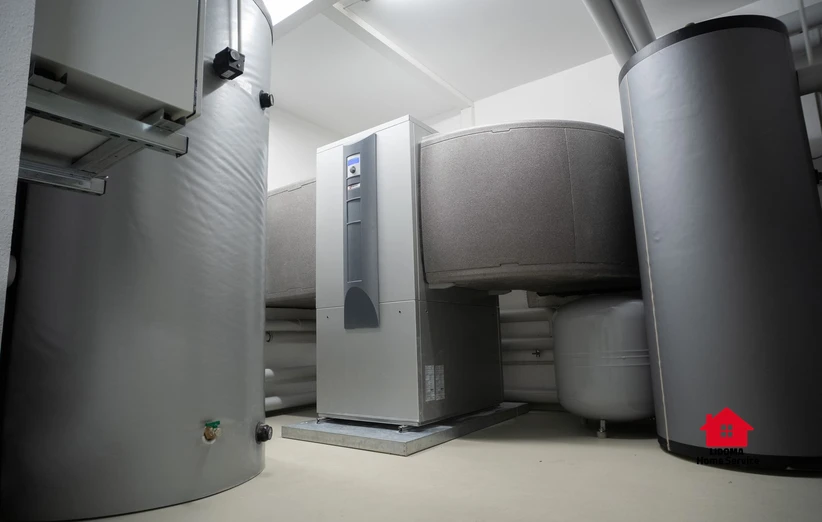
During the visit, Lidoma Home Services may review the mechanical room first. The technician looks at available wall space, service clearance, drain options, electrical proximity for the equipment connection, and duct paths. They also consider whether the unit can be maintained without dismantling finished areas. A unit that is difficult to access is more likely to be neglected, and neglected filters or cores can reduce airflow and create moisture problems over time.
The technician then reviews air pathways. This includes where stale air can be exhausted, where fresh air can be introduced, and whether the existing furnace ductwork can be used safely and effectively. If the HRV will connect to the forced-air system, blower operation, return-air location, filter restriction, and duct leakage concerns become important. If dedicated ducting is better, route planning must account for joist direction, insulation, fire separation boundaries where applicable, and practical grille locations without making unsupported assumptions about code or permits.
Expect discussion of exterior terminations. Winnipeg snow load, prevailing wind exposure, decks, sidewalks, driveways, dryer vents, and existing appliance vents all influence hood placement. A professional should explain why a proposed location is being chosen and what maintenance the homeowner will need to perform, such as keeping hoods clear of snow and debris. Lidoma Home Services emphasizes this because even a well-installed HRV can perform poorly if the exterior openings are blocked.
After inspection, you should receive a clear explanation of the recommended approach. That may include equipment location, duct route, drainage method, balancing plan, and any related HVAC issues that should be corrected first. If the home has significant airflow restriction, the technician may recommend addressing duct or furnace concerns before installation. This is where Expert HVAC services Winnipeg should be practical: the recommendation should explain risk, sequence, and homeowner responsibility in plain language.
7. Common Mistakes to Avoid: DIY Cuts, Unbalanced Fans, and Ignored Maintenance Access
The first mistake is treating HRV installation as a simple wall-penetration project. Cutting intake and exhaust holes without planning separation, slope, insulation, and snow exposure can create lasting problems. Exterior terminations are part of the safety system. If they are too close to contamination sources, too low for winter snow conditions, or positioned where exhaust can recirculate into the intake, the home may receive poor-quality outdoor air instead of the fresh air the homeowner expected.
The second mistake is skipping airflow balancing. HRV fans must be adjusted so supply and exhaust airflow are appropriate for the home and installation design. Guessing by sound or grille feel is not enough. Unbalanced airflow can contribute to pressure problems, condensation, drafts, or under-ventilation. Lidoma Home Services uses a process-based approach that considers measured airflow, duct resistance, and homeowner symptoms rather than assuming factory settings are correct for every house.
The third mistake is ignoring maintenance access. Filters, cores, drain pans, and duct connections need inspection and cleaning. If the HRV is squeezed behind storage shelving, mounted above inaccessible ceiling areas, or installed without enough working room, routine care becomes difficult. A neglected HRV may still run, but reduced airflow through dirty filters or a fouled core means it is not ventilating as intended. Safety and reliability depend on serviceability.
The fourth mistake is installing ventilation without considering filtration and dust load. If a home has heavy renovation dust, pet hair, or debris in the return system, fresh-air distribution may be affected. In some cases, HEPA Filter Installation may be discussed for indoor-air-quality goals, but it should not be used as a substitute for correct ventilation design. Filtration and ventilation solve different problems and must be coordinated so airflow is not overly restricted.
The fifth mistake is using the HRV to compensate for unresolved moisture sources. A ventilation system can help manage normal household humidity, but it cannot fix foundation seepage, plumbing leaks, missing bathroom fan use, or unsafe humidifier settings by itself. Lidoma Home Services looks for moisture patterns before recommending equipment settings because Winnipeg homes often experience different humidity risks in January than they do during spring thaw or humid summer weather.
8. When to Repair vs Replace an Existing HRV Before Safety Problems Spread
If your home already has an HRV, the safe choice is not always immediate replacement. Some problems are maintenance or repair issues: clogged filters, a dirty core, a blocked exterior hood, a disconnected drain tube, or a failed control setting. Other problems point toward replacement or redesign: damaged heat-exchange cores, corroded cabinets, chronic freeze-ups, inaccessible installation, poor duct routing, or a unit that cannot be balanced effectively because the original layout is flawed.
Start with symptoms. If the HRV runs but windows still sweat heavily in winter, the unit may not be moving enough air, may be operating on the wrong schedule, or may be fighting an indoor humidity source. If the HRV is noisy, the issue may be duct restriction, fan wear, vibration transfer, or an undersized route. If water appears around the unit, drainage, freezing, or cabinet problems need immediate review. Lidoma Home Services can separate maintenance issues from design failures by inspecting both the equipment and the ducts connected to it.
Repair is more likely to make sense when the unit is accessible, structurally sound, and connected to reasonable ductwork. Cleaning, filter replacement, drain correction, control adjustment, and balancing may restore performance if the underlying installation is sound. Homeowners should avoid repeatedly resetting a freezing or leaking unit without finding the cause. Repeated freeze-thaw cycles can damage components and surrounding materials.
Replacement becomes more relevant when the HRV is poorly located, cannot be serviced, has recurring water damage, or was installed in a way that creates pressure or contamination concerns. In that case, replacing the box alone may not solve the safety issue. The ducting, terminations, drainage, and balancing method may need redesign. This is why Professional HRV Installation should include an installation review rather than a simple like-for-like swap.
There are also timing considerations in Winnipeg. If an existing HRV is failing before winter, do not wait until exterior walls are snow-covered and the mechanical room is needed constantly for heating reliability. If the problem appears during peak cold, a technician may prioritize immediate safety and moisture control first, then recommend the best permanent correction. Lidoma Home Services helps homeowners understand whether the next step is cleaning, repair, replacement, or redesign.
9. FAQ: Practical HRV Safety Questions Winnipeg Homeowners Ask
Can an HRV make my house too dry in winter?
Yes, it can contribute to dryness if it runs too aggressively for the home, occupancy, and outdoor conditions. Winnipeg winter air can be extremely dry once heated indoors. The goal is controlled ventilation, not constant over-ventilation. Lidoma Home Services reviews control settings, household humidity sources, and existing equipment so the HRV reduces stale air without creating unnecessary dryness.
Is window condensation always a sign I need a new HRV?
No. Condensation can come from high indoor humidity, poor air circulation, cold window surfaces, blocked vents, excessive humidifier output, or an HRV that is dirty, off, undersized, or unbalanced. A technician should determine the cause before recommending replacement. Sometimes the solution is operation adjustment or maintenance; sometimes it is a better ventilation design.
Should my HRV be connected to the furnace ductwork?
It depends on the home. Connecting to the forced-air system can help distribute fresh air, but it must be designed so airflow is balanced and the furnace blower interaction is understood. Dedicated ducting may be better in some layouts. Lidoma Home Services evaluates duct access, static pressure concerns, return-air location, and homeowner goals before recommending either approach.
What warning signs mean I should call before using the HRV again?
Call a professional if you see water leaking from the unit, electrical components near moisture, severe frost buildup, exterior hoods blocked by ice, burning smells, unusual mechanical noise, or symptoms that suggest combustion appliance venting problems. If a carbon monoxide alarm activates, treat it as an urgent safety matter and follow the alarm instructions before scheduling HVAC follow-up.
Can I install an HRV myself if I am handy?
A homeowner may be comfortable changing filters or keeping exterior hoods clear, but full installation involves pressure balance, duct design, wall penetrations, insulation, condensate drainage, equipment access, and interaction with heating equipment. The risk is not only whether the unit turns on. The risk is whether it ventilates safely under Winnipeg winter conditions.
How often should HRV filters and the core be checked?
Follow the equipment manufacturer's maintenance guidance, and increase attention if the home has pets, renovation dust, nearby construction, or heavy outdoor debris. A clogged filter reduces airflow and can throw off balance. Lidoma Home Services can show homeowners where filters and the core are located so routine maintenance is realistic after installation.
Does affordable installation mean fewer safety checks?
It should not. Affordable Professional HRV Installation should mean the scope is clear, the design is appropriate, and unnecessary work is avoided. It should not mean skipping airflow, drainage, exterior hood, or combustion-environment review. Ask what the estimate includes and how the installer confirms the system is operating correctly.
10. Prevention-Focused Conclusion: Book the Inspection Before the Cut
The safest HRV installation is decided before the first hole is drilled. Homeowners should expect a technician to evaluate pressure relationships, combustion-appliance surroundings, duct routing, exterior terminations, condensate drainage, service access, and Winnipeg-specific freeze risks. These details determine whether the HRV becomes a reliable ventilation system or a source of moisture, noise, frost, and airflow complaints.
Lidoma Home Services keeps the process practical for homeowners. Their team reviews the house as a connected system: the mechanical room, existing ductwork, outdoor conditions, humidity patterns, and daily use. That approach helps prevent avoidable problems such as recirculated exhaust, blocked winter intakes, unbalanced fans, inaccessible filters, or drainage failures. It also helps homeowners understand what they can safely maintain themselves and what should be left to a professional.
If you are planning Professional HRV Installation in Winnipeg, Manitoba, start with a safety review rather than a product-first quote. Ask how airflow will be balanced, where condensate will go, how outdoor hoods will avoid snow and contamination, and how the HRV will interact with the furnace and other exhaust devices. A clear answer now can prevent expensive and uncomfortable problems later.
Call Lidoma Home Services for HRV installation safety advice
For Expert HVAC services Winnipeg and a homeowner-focused HRV assessment, contact Lidoma Home Services today:
+1 204 297 4420
+1 431 374 3360
Use either number to ask about inspection, scheduling, and whether your existing ventilation symptoms should be checked before installation.