Clean Furnace, Cooler Rooms: Winnipeg Summer HVAC Prep
A practical pre-cooling-season manual for Winnipeg homeowners dealing with airflow, humidity, dust, and comfort.
Author : M. Behnezad
When Winnipeg homeowners think about summer comfort, they usually think about the outdoor AC unit first. But the furnace cabinet, blower assembly, filter rack, return-air pathway, and connected ductwork still move the cooled air through the house. If the furnace side of the system is dusty, restricted, or poorly inspected before cooling season, the air conditioner can run longer while bedrooms stay uneven, humidity feels heavier, and airflow from supply registers becomes weaker than expected.
That is why Professional Furnace Cleaning in Winnipeg, Manitoba can be a smart pre-summer step, not just a winter maintenance task. A clean blower compartment and properly seated filter support better airflow across the evaporator coil, help reduce unnecessary static pressure, and make it easier to spot issues such as condensate leaks, dirty return drops, loose access panels, or early signs of blower motor stress.
Lidoma Home Services approaches Professional Furnace Cleaning as part of practical cooling-season readiness. Their technicians focus on the working parts homeowners rarely see: blower wheel surfaces, cabinet dust, filter fit, venting area observations, return-air cleanliness, and airflow-related warning signs. This supports Expert HVAC services Winnipeg homeowners can use before the first humid stretch arrives.
Need pre-summer HVAC help?
Call Lidoma Home Services:
+1 204 297 4420
+1 431 374 3360
Keep these numbers handy before the first long cooling cycle of the season: +1 204 297 4420 or +1 431 374 3360.
Why the Furnace Still Controls Summer Comfort
A central air conditioner does not move air by itself through the whole home. In many Winnipeg forced-air systems, the furnace blower is the air-moving engine for both heating and cooling. During summer, warm return air is pulled through the filter, passes across the indoor evaporator coil, and is pushed back through the supply ducts. If dust builds up in the furnace cabinet or on blower components, the system may still operate, but airflow can become less predictable.
This matters because cooling performance depends on airflow as much as refrigerant operation. When air moves too slowly across the evaporator coil, the coil can get colder than intended, moisture removal may become inconsistent, and rooms at the far end of the duct system may receive less conditioned air. When air moves unevenly because of dirty blower blades or a restrictive filter situation, the air conditioner can appear to be the problem even though the restriction begins inside the furnace section.
Winnipeg homes can be especially sensitive to this because they often experience long heating seasons followed by a short but demanding cooling season. Dust, pet hair, construction debris from basement renovations, and winter filter neglect can accumulate before the AC is asked to manage warm afternoons and muggy evenings. In older houses with retrofitted ductwork, narrow return paths and small branch runs can make even minor restrictions more noticeable.
Lidoma Home Services technicians treat pre-summer Professional Furnace Cleaning as an airflow investigation, not just a dust removal visit. They look at the cabinet interior, blower area, filter access, visible duct connections, and practical clues around the mechanical room. This process helps homeowners understand whether weak cooling is likely related to cleanliness, filter loading, duct limitations, or a separate AC issue.
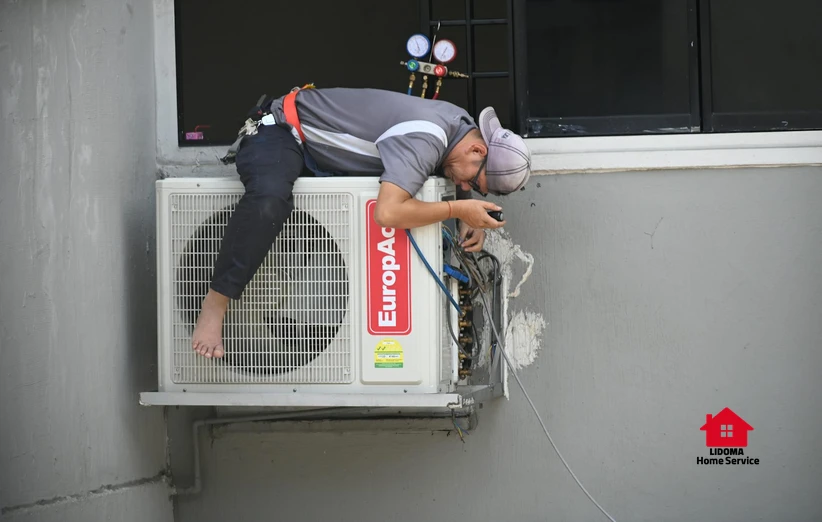
The goal is not to promise that cleaning alone fixes every cooling complaint. A refrigerant problem, failing capacitor, dirty outdoor condenser coil, or poorly sized AC can still require Expert Air Conditioner Tune-Up and Repair. But a cleaner furnace air path gives the cooling system a better baseline and makes later diagnosis more accurate. That is the practical value of Affordable Professional Furnace Cleaning before summer demand peaks.
Winnipeg Humidity, Basement Mechanical Rooms, and Airflow Restrictions
Summer humidity in Winnipeg can be uncomfortable because the home is coming out of months of sealed-up winter operation. Basements may hold cooler air, stored materials, laundry moisture, and dust around the mechanical room. When the furnace cabinet draws return air through gaps, an overloaded filter, or a dusty return drop, that air may carry fine debris into the blower area. Over time, the blower wheel can lose some of its ability to move air efficiently because dust changes the shape and surface texture of the blades.
Humidity control is tied directly to airflow and coil temperature. If airflow is too low, the evaporator coil may become excessively cold in spots, which can reduce comfort and create conditions where condensation behaves poorly. If airflow is too high or short-circuited through return leaks near the furnace, the AC may cool the air but remove less moisture than expected. Homeowners often describe this as a house that reaches the thermostat setting but still feels sticky.
Winnipeg housing stock adds another layer. Many homes have finished basements, tight utility rooms, mixed old and new duct sections, or return-air pathways that were modified over several renovations. A furnace may sit near stored boxes, cat litter, woodworking dust, or laundry lint. These conditions do not automatically mean the system is unsafe, but they can make cleaning and inspection more valuable before cooling season.
Lidoma Home Services technicians use a careful visual and hands-on approach around the furnace cabinet and accessible duct transitions. They do not need to exaggerate the issue to explain it: dust near the blower compartment, poor filter fit, or debris at the return opening can all affect how air moves. Their process is useful because it connects what the homeowner sees in the basement with what they feel upstairs at the supply registers.
For some homes, furnace cleaning reveals that the duct system also deserves attention. If there is heavy debris in return trunks, visible dust discharge at registers, or renovation material inside accessible ducts, Professional Duct Cleaning may be a better next step than repeatedly replacing filters. If the issue is ventilation balance or stale indoor air during shoulder seasons, Professional HRV Installation may be discussed separately. The key is sequencing the work logically rather than assuming one service solves every humidity complaint.
Pre-Summer Homeowner Checklist Before You Turn the AC On
A homeowner can learn a lot before booking service by observing the system during the first few warm days. The goal is not to disassemble equipment or bypass safety panels. It is to notice patterns that help a technician make a better diagnosis. Lidoma Home Services often benefits when homeowners can describe whether airflow is weak everywhere, only upstairs, only after long run times, or only when the filter is recently replaced.
Use this checklist before sustained cooling season begins:
- Replace or inspect the furnace filter and confirm the airflow arrow points toward the furnace.
- Check whether the filter fits tightly or can be pulled out with obvious gaps around the edges.
- Walk to several supply registers and compare airflow by room.
- Listen for rattling, scraping, or pulsing sounds when the blower starts.
- Look around the furnace base for water marks that may indicate condensate drainage issues during AC operation.
- Make sure return-air grilles are not blocked by furniture, rugs, storage bins, or closed doors.
- Note any musty, dusty, or hot-electrical smell when the blower first runs.
- Check whether the thermostat is located near direct sun, electronics, or a supply register.
These steps matter because comfort complaints can have multiple causes. A bedroom above a garage may be warmer because of insulation and solar gain, while a basement room may feel damp because of local moisture. Weak airflow at every register points more strongly toward a central restriction, blower issue, plugged filter, or duct problem. Weak airflow in one room may point toward balancing, duct leakage, crushed flex duct where present, or a closed damper.
Lidoma Home Services technicians can use this homeowner information during Professional Furnace Cleaning to focus attention on the most relevant parts of the system. A dusty blower compartment combined with weak airflow throughout the house is a different problem than a clean cabinet with one hot second-floor room. The more specific the symptoms, the less time is wasted guessing.
This checklist also helps homeowners avoid unnecessary work. If the filter is completely loaded, replacing it may restore some airflow, but if the same problem returns quickly, there may be duct dust, return leakage, pet load, or equipment issues behind it. If airflow is acceptable but humidity remains high, an AC assessment may be needed. This is where Expert HVAC services Winnipeg homeowners rely on should connect furnace cleanliness, cooling performance, and the actual building conditions.
What a Technician Actually Checks During a Furnace Cleaning Visit
A useful cleaning visit should be systematic. The technician should begin by understanding the complaint: summer readiness, dust, odour, weak airflow, noisy blower operation, uneven rooms, or filter loading. From there, the inspection should move from the easiest airflow restrictions to the deeper cabinet components. Lidoma Home Services follows a practical sequence so the visit does not become random vacuuming without diagnosis.
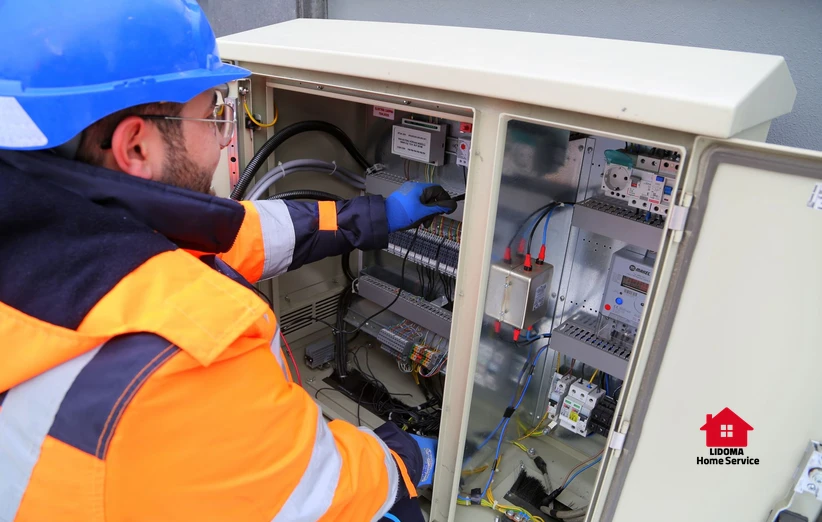
The furnace access area is important. A technician checks the filter rack, access panels, return-air connection, visible wiring condition, blower compartment, and cabinet dust level. The blower wheel deserves close attention because its curved fins are designed to move a specific volume of air. Dust on those fins can reduce effective air movement and may contribute to imbalance or noise. Cleaning the wrong area while ignoring the blower assembly misses one of the main reasons homeowners book pre-summer service.
The technician also observes signs that point beyond basic cleaning. Rust staining, water trails, or mineral deposits near the coil cabinet can suggest past condensate issues. A dirty area around panel seams may show air leakage. Excessive dust downstream of a filter can suggest poor filter fit, a missing filter period, or return-air leakage. None of these observations should be turned into scare tactics, but they should be explained clearly because they affect cooling-season performance.
A professional visit should also respect system safety. Furnace compartments contain electrical components, moving blower parts, sharp metal edges, and combustion-related areas. Homeowners should not remove parts beyond normal filter access unless they know the system and can do so safely. Lidoma Home Services technicians work inside these spaces with appropriate care, isolate power where needed, and avoid disturbing components unnecessarily.
If the inspection shows that the furnace needs more than cleaning, the next recommendation should match the evidence. A noisy motor, repeated lockouts, or heat-related problems may point toward Furnace Tune-Up and Repair. If the cooling issue involves the outdoor unit, coil performance, or refrigerant-side diagnosis, Expert Air Conditioner Tune-Up and Repair may be more relevant. If the furnace is aging, unsafe, or impractical to repair, Expert Furnace Installation can be discussed as a separate decision, not as an automatic outcome of a cleaning appointment.
What to Expect When You Book Lidoma Home Services
When you book Lidoma Home Services for pre-summer Professional Furnace Cleaning, the appointment should start with questions about how the home behaves. Which rooms are warmest? Does the blower sound different than last year? Do filters load quickly? Has there been recent drywall sanding, pet shedding, a basement renovation, or a long period without filter changes? These details help connect the cleaning work to the homeowner's real concern.
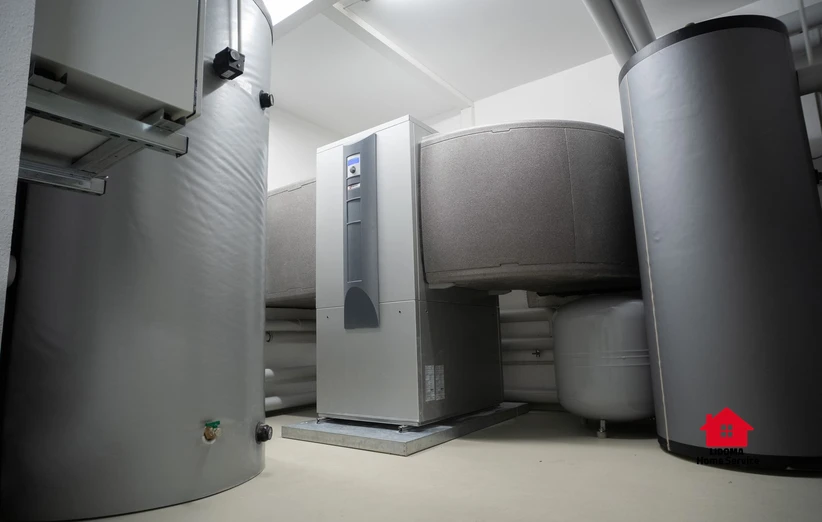
During the visit, the technician will typically need clear access to the furnace, filter area, return drop, and nearby electrical switch. Homeowners can help by moving storage bins, laundry baskets, and household items away from the mechanical room before the appointment. This is especially helpful in Winnipeg basements where the furnace may share space with freezers, shelves, tools, and seasonal storage.
The cleaning process is usually focused on accessible furnace cabinet areas, blower-related dust, filter fit, and visible airflow concerns. The technician may explain what is normal dust versus what suggests a bigger problem. For example, a thin film after a heating season is different from heavy matting on blower components or debris that appears to bypass the filter. Lidoma Home Services adds value by explaining these distinctions in plain language rather than simply saying the system was dirty.
Homeowners should expect practical recommendations after the work. These may include filter type considerations, return-air improvements, AC service timing, duct cleaning indicators, or humidity-related observations. If the technician notices that the cooling system has not been assessed recently, they may recommend Expert Air Conditioner Tune-Up and Repair before peak summer use. If dust is widespread through the duct system, Professional Duct Cleaning may be discussed based on visible conditions.
A good appointment ends with the homeowner understanding what was cleaned, what was observed, and what should be monitored after the AC begins regular operation. That is especially important for Affordable Professional Furnace Cleaning because value is not only the removal of debris. Value also comes from early identification of airflow restrictions, condensate concerns, and maintenance habits that can reduce repeat problems.
Common Mistakes to Avoid Before Cooling Season
One common mistake is assuming the furnace no longer matters once heating season ends. In a forced-air home, the blower may run more hours during summer than homeowners expect, especially during humid stretches when the thermostat calls frequently. If the blower compartment is dirty or the filter is restrictive, the AC may run longer while comfort stays uneven. Lidoma Home Services regularly frames Professional Furnace Cleaning as cooling support, not just winter preparation.
Another mistake is installing the highest-rated filter available without thinking about static pressure. A dense filter can capture smaller particles, but it can also restrict airflow if the furnace and duct system are not suited to it. This is especially relevant in older Winnipeg homes with undersized return ducts or tight filter racks. A filter that looks premium on the shelf can cause poor airflow, noisy operation, and reduced cooling delivery if it does not match the system.
Homeowners also sometimes close basement registers to push more cool air upstairs. This may seem logical, but it can increase duct pressure and reduce total airflow if too many registers are closed. Forced-air systems need a reasonable balance between supply and return pathways. If upstairs rooms remain warm, the answer may involve duct balancing, insulation, AC performance, return-air improvements, or blower cleanliness rather than simply shutting vents.
A fourth mistake is ignoring odours at first startup. A brief dusty smell can occur after a long idle period, but persistent musty odours may point toward dirty ducts, moisture near the coil, drain issues, or filtration problems. A hot electrical smell, scraping noise, or repeated cycling should not be dismissed. These symptoms are reasons to stop guessing and call a professional.
Finally, many homeowners wait until the first humid heat wave to book service. By then, appointment availability can be tighter and the system is already under load. Scheduling Professional Furnace Cleaning in Winnipeg, Manitoba during spring or early summer gives Lidoma Home Services time to clean, inspect, and recommend next steps before comfort becomes urgent. If related cooling repairs are needed, there is also more time to plan them without rushing.
When Cleaning Is Enough and When Repair or Replacement Enters the Conversation
Cleaning is often enough when the main issues are dust accumulation, filter bypass, minor odour at startup, visible cabinet debris, or airflow that improves after restrictions are removed. In these cases, the furnace is not necessarily failing. It may simply need the air-moving side restored to a cleaner condition before summer. Lidoma Home Services helps homeowners separate normal maintenance needs from symptoms that require deeper mechanical attention.
Repair becomes more relevant when there are noises, intermittent blower operation, electrical smells, repeated breaker trips, motor overheating symptoms, or control-board concerns. A dirty blower can make a weak motor work harder, but cleaning does not repair worn bearings, failing capacitors, or damaged wiring. If the technician observes operational concerns beyond dust, Furnace Tune-Up and Repair may be the responsible next step.
Replacement enters the conversation only when repair no longer makes practical sense or when the equipment condition, age, performance, and homeowner goals point that way. A pre-summer cleaning visit should not automatically become a sales pitch for a new furnace. However, if the furnace blower is central to cooling and the unit is unreliable, inefficient in operation, or not compatible with the home's comfort needs, Expert Furnace Installation may deserve discussion.
The same logic applies to the cooling side. If airflow is clean and adequate but the AC still cannot maintain temperature or manage humidity, the problem may involve coil condition, refrigerant charge, condenser airflow, electrical components, or equipment sizing. In some cases, repair is appropriate. In others, homeowners planning major upgrades may ask about Professional Air Conditioner Installation. Lidoma Home Services can help keep that decision grounded in symptoms and inspection findings rather than assumptions.
Homeowners should ask clear questions: What evidence shows cleaning is enough? What evidence points to repair? Is the airflow concern central or room-specific? Are there safety concerns? What should be monitored after service? These questions protect the homeowner from unnecessary spending while still addressing real issues before summer.
FAQ: Practical Summer Furnace Cleaning Questions from Winnipeg Homeowners
Should I clean the furnace before using the air conditioner?
Yes, it can be worthwhile if the system has visible dust, weak airflow, fast-loading filters, pet hair, renovation debris, or uneven cooling. The furnace blower moves cooled air, so cleaning the furnace side can support better airflow before the AC is under regular summer demand. Lidoma Home Services can inspect the airflow path during Professional Furnace Cleaning and explain whether cleaning, AC service, or duct work is the more likely need.
Can a dirty furnace make my house feel humid?
It can contribute, but it is not the only cause. Humidity comfort depends on AC run time, evaporator coil performance, airflow rate, drainage, ventilation, and building moisture sources. A dirty blower or restrictive filter can reduce airflow and affect how the coil removes moisture. If humidity remains high after cleaning, Lidoma Home Services may suggest AC diagnostics or ventilation review.
How do I know if I need duct cleaning too?
Consider Professional Duct Cleaning if dust returns quickly after filter changes, debris is visible inside registers, there has been renovation work, or musty odours seem to come from multiple vents. Furnace cleaning focuses on the equipment cabinet and blower area, while duct cleaning addresses debris in the air distribution system. The two services are related but not identical.
Is a more expensive filter always better for summer airflow?
No. A filter must match the system's airflow capability. Very restrictive filters can raise static pressure in some duct systems, especially in older Winnipeg homes with limited return air. Lidoma Home Services can look at filter fit and airflow symptoms during service and help you avoid a filter choice that makes the blower work harder than necessary.
What if the furnace is clean but upstairs rooms are still warm?
That may point to duct design, return-air imbalance, insulation, solar gain, thermostat location, or AC capacity and performance. Cleaning is a good baseline step, but persistent room imbalance may require a broader HVAC assessment. Expert Air Conditioner Tune-Up and Repair may be appropriate if the AC itself is not performing correctly.
When should I call instead of waiting?
Call if the blower makes scraping or grinding sounds, airflow drops suddenly, you smell electrical heat, water appears near the furnace during AC operation, or the system cycles abnormally. These symptoms can become more disruptive during a humid spell. For Expert HVAC services Winnipeg homeowners can schedule before peak cooling demand, contact Lidoma Home Services at +1 204 297 4420 or +1 431 374 3360.
Ready for a cleaner airflow path before summer?
Book Professional Furnace Cleaning with Lidoma Home Services before the first long cooling cycle. Call +1 204 297 4420 or +1 431 374 3360 for practical scheduling and clear next-step advice.