Hot Water Tank Load: Efficiency Clues for Winnipeg Homes
A practical technical homeowner manual for reducing wasted hot water energy in Winnipeg, Manitoba
Author : M. Behnezad
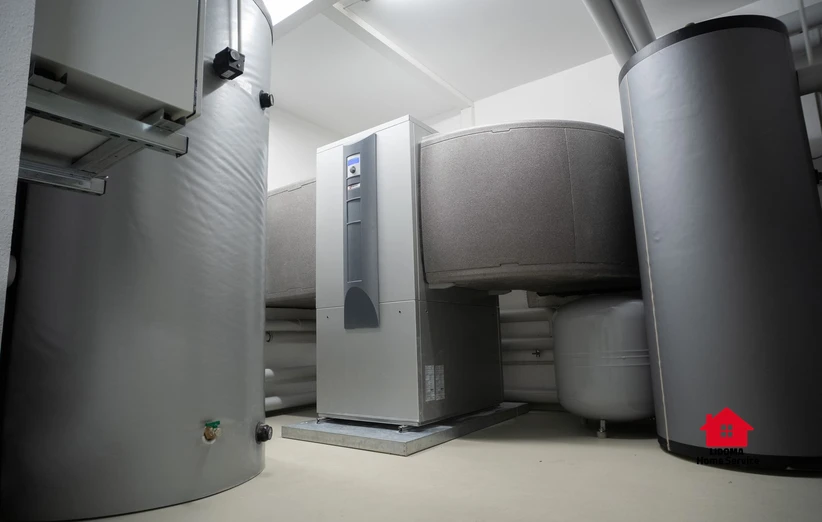
Winnipeg homeowners often think about furnace efficiency first, but the hot water tank can be one of the hardest-working appliances in the basement. It has to recover after showers, laundry, dishwashing, and cleaning while sitting in a mechanical room that may be cold, crowded, dusty, humid, or affected by other HVAC equipment. When the tank is neglected, small issues such as sediment, poor combustion air, incorrect temperature settings, venting concerns, heat loss at piping, and aging controls can quietly increase energy use without creating an obvious emergency.
Professional Hot Water Tank Services in Winnipeg, Manitoba are not just about getting hot water back after a failure. A careful service visit can identify the practical factors that affect recovery time, standby loss, burner or element performance, airflow around the appliance, and the load placed on nearby systems. That matters in Winnipeg homes because long heating seasons, cold incoming water, finished basements, older venting routes, and changing humidity conditions can all influence how efficiently equipment operates.
Lidoma Home Services approaches hot water tank work as part of the whole mechanical room, not as an isolated appliance. The goal is to help homeowners understand what is wasting energy, what is safety-related, what can be maintained, and when replacement may be the more sensible path.
Why a Hot Water Tank Can Waste Energy Without Looking Broken
A storage-style hot water tank can appear to be working normally while still using more energy than it should. The homeowner sees hot water at the tap, so the appliance feels healthy. Behind that simple result, the tank may be recovering slowly, firing longer than necessary, losing heat through uninsulated piping, or fighting mineral buildup at the bottom of the tank. These conditions do not always create a dramatic symptom on day one. Instead, they stretch operating cycles and make the appliance work harder for the same household demand.
In Winnipeg, the cold-water inlet temperature is a major practical factor. During colder parts of the year, incoming water can be significantly colder than it is during milder seasons. The tank must add more heat before that water is usable for showers or cleaning. If sediment has accumulated near the burner area or heating surface, heat transfer becomes less direct. The burner or element may operate longer, and the tank may recover more slowly after back-to-back use. This is why an efficiency concern can show up as waiting longer between showers, running out of hot water sooner, or hearing more frequent heating cycles.
Standby loss is another important concept. A tank stores heated water all day, even when nobody is using it. Some heat naturally leaves through the tank jacket, hot outlet piping, fittings, and nearby unconditioned spaces. In a Winnipeg basement, standby loss may be less obvious because the lost heat may warm the mechanical room slightly during winter. That does not mean the energy was used efficiently. The heat was not delivered where the homeowner wanted it, and during shoulder seasons or summer it may add unwanted warmth to the basement.
Airflow also matters, especially for fuel-fired tanks. Combustion appliances need adequate air and stable venting conditions. If a mechanical room is enclosed tightly after basement renovations, or if exhaust devices and ventilation equipment change pressure relationships, the tank may not draft as intended. That can affect performance and safety. A homeowner should not try to diagnose combustion or venting problems by guesswork. These conditions require proper observation, testing, and professional judgment.
Lidoma Home Services evaluates hot water tank efficiency by looking at the full operating environment. During a service assessment, Lidoma technicians can check visible venting, clearance around the unit, signs of leakage or corrosion, temperature control behavior, water connections, combustion-air conditions where applicable, and symptoms of sediment or poor recovery. This process-based approach is more useful than simply asking whether the water is hot. It helps identify whether the system is heating water efficiently, whether it is placing unnecessary load on nearby HVAC equipment, and whether Affordable Professional Hot Water Tank Services are enough or whether replacement should be discussed.
Sediment, Recovery Time, and the Hidden Cost of Poor Heat Transfer
Sediment is one of the most common reasons a hot water tank loses efficiency over time. Minerals and debris carried in the water supply can settle at the bottom of the tank. In a gas-fired storage tank, that bottom zone is close to the heat source. When sediment builds up, it acts like an insulating layer between the burner heat and the water. The tank may still heat, but it does so less directly. In an electric tank, deposits can also affect heating elements and reduce consistent heat transfer.
The homeowner may notice rumbling, popping, or crackling sounds. Those sounds can happen when water trapped under sediment flashes into steam pockets and moves through the deposit layer. Noise alone does not prove the exact condition of the tank, but it is a useful warning sign. Other clues include hot water that runs out faster than expected, longer recovery after heavy use, fluctuating water temperature, or a tank that seems to cycle more often than it used to.
Winnipeg households with high demand can feel this problem sooner. A family using multiple showers, laundry, and dishwashing in the same evening creates repeated drawdown events. Each time cold water enters, the tank must recover. If heat transfer is restricted, the recovery window stretches. That is not just an inconvenience. Longer firing or heating times can increase energy consumption because the appliance spends more time trying to bring the stored water back to the setpoint.
A professional visit can determine whether maintenance is appropriate, whether the tank shows signs of age-related deterioration, or whether the symptoms point to another issue. Flushing may help some tanks, but it is not a universal fix. If a tank is heavily corroded, leaking, or near the end of serviceable condition, aggressive work may create additional risk. Homeowners should avoid opening drains, valves, or gas connections without understanding the condition of the unit and the safety steps involved.
Lidoma Home Services treats sediment concerns as a diagnostic issue, not a one-size-fits-all cleaning task. Technicians can review the age and visible condition of the tank, listen for operating noises, inspect the drain valve area, check for moisture or corrosion, and discuss usage patterns with the homeowner. That matters because energy efficiency depends on both equipment condition and household load. If maintenance is reasonable, the homeowner can make an informed decision. If replacement is more practical, Lidoma can explain why without using fake savings numbers or pressure tactics.
This is where Professional Hot Water Tank Services connect directly to energy efficiency. Good service does not promise a magic percentage reduction. It helps remove obvious inefficiencies, prevents avoidable strain, and gives the homeowner a clearer picture of how much the tank is working to meet everyday demand.
Combustion Air, Venting, and Mechanical Room Pressure in Winnipeg Basements
For fuel-fired hot water tanks, efficiency cannot be separated from combustion air and venting. The burner needs the right amount of air to burn fuel properly, and combustion byproducts must move safely through the venting system. If the mechanical room is short on air or the vent path is compromised, the appliance may not operate as intended. Efficiency, reliability, and safety can all be affected.
Many Winnipeg homes have basement mechanical rooms that have changed over time. A furnace may have been replaced, a laundry area may have been enclosed, a storage room may have been finished, or an exhaust fan may have been added. These changes can alter airflow. Even if the hot water tank itself was not moved, the room around it may no longer behave the same way. A door with no transfer grille, stored items crowding the appliance, or new ventilation equipment can influence available air and pressure balance.
Negative pressure is a practical concern. Exhaust devices, dryers, kitchen fans, bathroom fans, and ventilation systems can pull air from the home. If the mechanical room cannot receive replacement air easily, naturally drafted appliances may struggle to vent consistently. A homeowner might notice rollout marks, unusual odours, moisture around venting, condensation on nearby surfaces, or a burner flame that does not look stable. These are not items to ignore or self-adjust.
The relationship between the water heater and the rest of the HVAC system is important. A home with Professional HRV Installation may have more controlled ventilation when designed and balanced properly, but ventilation equipment still needs to be considered as part of the whole air-pressure picture. Similarly, a furnace service visit such as Furnace Tune-Up and Repair may reveal clues about drafting, return-air pathways, filter restriction, or mechanical room conditions that also affect the hot water tank.
Lidoma Home Services looks beyond the tank jacket. Technicians can inspect visible vent connectors, slope, corrosion signs, obstruction concerns, and combustion-air availability where accessible. They can also consider how the furnace, dryer, HRV, and basement layout interact. This whole-room view is one reason homeowners searching for Expert HVAC services Winnipeg should choose a contractor that understands system load and airflow, not just tank replacement.
Homeowners can support efficiency by keeping the mechanical room clear, not blocking grilles or louvers, and avoiding renovations that isolate combustion equipment without professional review. If a room feels unusually stuffy, smells odd when appliances run, or shows staining near draft areas, it is time to call a professional. Efficiency upgrades should never come at the expense of safe combustion and venting.
System Load: How Hot Water Use Interacts With Furnace, Humidity, and Basement Conditions
A hot water tank does not operate in isolation. It sits in the same home environment as the furnace, ventilation equipment, humidifier, ducts, laundry appliances, and sometimes a central air system. The word load is usually used for heating or cooling demand, but domestic hot water has its own load profile. Every shower, laundry cycle, dishwasher run, and handwashing event creates demand. When that demand is high, poorly controlled, or mismatched to the tank size and condition, the appliance runs more often and may contribute more heat and moisture to the mechanical room.
In winter, Winnipeg homes are often closed tightly to reduce heat loss. That can help with space-heating energy use, but it can also make indoor air management more complicated. A leaking hot water fitting, a poorly draining floor area, or excessive moisture around the tank can raise local humidity in the basement. If the home already struggles with dry air upstairs and dampness downstairs, the HVAC system may be trying to solve competing problems. Humidifier Installation and Maintenance can help manage winter dryness when properly installed and maintained, but it should not be used to mask plumbing leaks or poor mechanical room conditions.
The furnace is also part of the picture. A dirty blower compartment, restricted filter, or neglected burner assembly can increase the furnace's own operating load. While that is separate from water heating, the two systems share space, air pathways, and homeowner attention. If the furnace needs Professional Furnace Cleaning, the mechanical room may also have dust accumulation around the hot water tank, floor drain, and combustion openings. Dust and storage clutter do not improve airflow or service access.
Duct conditions can indirectly affect mechanical room pressure and comfort complaints. If return-air leakage pulls from the basement, or if supply imbalance leaves certain areas cold, the homeowner may compensate with longer showers, higher thermostat settings, or portable equipment. Professional Duct Cleaning is not a hot water efficiency service by itself, but clean and accessible ductwork can be part of a broader effort to reduce restriction, improve airflow, and understand how the home is behaving.
Lidoma Home Services evaluates these interactions in practical terms. During a hot water tank appointment, technicians can note whether the tank has enough access for safe service, whether nearby HVAC components are crowded, whether there are signs of condensation or leakage, and whether other equipment may be affecting airflow. This is not about selling every service in the house. It is about recognizing that wasted energy often comes from several small issues working together.
For homeowners comparing Affordable Professional Hot Water Tank Services, the question should not be only whether the tank can be made hot again. A better question is whether the appointment will identify the load factors that caused the complaint. Usage pattern, tank condition, basement airflow, combustion air, piping heat loss, and nearby HVAC operation all influence practical savings.
Homeowner Efficiency Checklist Before Booking Service
A homeowner does not need to disassemble a hot water tank to gather useful information. In fact, most tank work should be left to a trained technician because of scalding water, gas, electricity, pressure, venting, and leak risks. What homeowners can do safely is observe patterns and prepare clear information before booking. That helps the technician focus on the real efficiency concern rather than starting from vague symptoms.
Use this practical checklist before calling Lidoma Home Services:
- Note when hot water runs out: first shower, second shower, laundry, dishwasher, or only during peak evening use.
- Listen for new rumbling, popping, hissing, or crackling sounds during recovery.
- Look for moisture at the tank base, nearby piping, relief valve discharge pipe, or floor drain area.
- Check whether the mechanical room has been recently renovated, enclosed, or filled with storage.
- Observe whether the problem is seasonal, such as worse during Winnipeg winter cold snaps.
- Write down whether the thermostat setting was changed recently, but do not keep raising it to compensate for poor recovery.
- Note any odour, staining, flame irregularity, or venting concern and treat it as a professional call, not a DIY project.
- Check whether hot water complaints happen only at one fixture, which may point to a mixing valve, fixture cartridge, or piping issue rather than the tank itself.
This information is valuable because the same symptom can have different causes. Running out of hot water may mean sediment, an undersized or aging tank, a failed dip tube, thermostat issues, heavy household demand, cross-connection through a mixing valve, or a fixture problem. Slow hot water at a far bathroom may be related to pipe layout and heat loss rather than tank output. A professional diagnosis prevents unnecessary replacement and avoids focusing on the wrong component.
Winnipeg homes with older plumbing routes can have long pipe runs from the basement tank to upper bathrooms or additions. Heat can be lost before water reaches the fixture, especially when piping passes through cooler spaces. Insulation on accessible hot water pipes may reduce some losses, but the overall system still depends on tank condition, recovery performance, and fixture demand. A technician can help separate pipe heat loss from tank inefficiency.
Lidoma Home Services uses the homeowner's observations as part of the diagnostic process. Technicians can combine those clues with visual inspection, operational checks, and mechanical-room assessment. This creates a more accurate path than simply replacing parts based on one symptom. When homeowners are searching for Expert HVAC services Winnipeg, this kind of structured questioning is a sign of a service provider focused on solving the actual problem.
If you are unsure whether the issue is efficiency, capacity, or a developing failure, book Professional Hot Water Tank Services before the tank becomes an emergency. Early evaluation is especially useful before winter travel, before hosting guests, or when basement access will be difficult because of renovations or storage.
What to Expect When You Book a Hot Water Tank Efficiency Visit
A useful hot water tank service appointment should begin with questions, not tools. The technician needs to understand household demand, when the complaint started, how often the tank recovers, whether the issue is seasonal, and whether any plumbing or HVAC changes were made recently. These details matter because an efficiency complaint is often about the relationship between the appliance and the home, not just one failed part.
During a typical assessment, Lidoma Home Services can review the visible condition of the tank, check for signs of leakage or corrosion, inspect accessible water connections, look at the venting arrangement where applicable, and evaluate the area around the appliance. The technician may also discuss temperature control, recovery complaints, unusual sounds, and whether the tank appears to be struggling during high-demand periods. If there are safety-related concerns, those take priority over efficiency discussion.
For fuel-fired tanks, airflow and venting observations are especially important. The technician may look for blocked openings, poor access, visible corrosion on vent connectors, signs of backdrafting, or mechanical room changes that could affect combustion air. For electric tanks, the focus may include power supply considerations, thermostat behavior, element performance symptoms, leakage, and tank condition. In both cases, the service should respect the risks of hot water, pressure, electrical components, and gas-fired equipment.
The visit should also include practical homeowner guidance. A technician can explain which issues are maintenance-related, which are safety-related, and which suggest the tank may be nearing the point where replacement should be considered. A good explanation avoids fake savings claims. Instead, it connects findings to real operating effects: longer recovery time, excessive cycling, heat loss, pressure or venting concerns, and avoidable strain.
Lidoma Home Services supports this process with professional diagnostic habits: verifying symptoms, checking the mechanical room context, explaining observations clearly, and recommending next steps based on the tank's condition and the homeowner's usage. The company does not need exaggerated claims to be useful. The value is in careful inspection and clear decision-making.
Call Lidoma Home Services for Hot Water Tank Help
For booking or questions, contact Lidoma Home Services directly:
+1 204 297 4420
+1 431 374 3360
Keep both numbers handy: +1 204 297 4420 and +1 431 374 3360. If the tank is leaking, producing unusual odours, showing venting concerns, or failing to provide reliable hot water, call before the issue affects the rest of the home.
When scheduling Affordable Professional Hot Water Tank Services, ask what the appointment includes. Useful questions include whether the technician will assess visible venting, combustion-air conditions where relevant, sediment symptoms, leaking components, piping heat loss, and whether repair or replacement is more appropriate.
Repair vs Replace: Efficiency Questions That Matter More Than Age Alone
Homeowners often ask whether a hot water tank should be repaired or replaced based only on age. Age matters, but it is not the only decision point. Efficiency depends on condition, recovery performance, visible corrosion, leakage, household demand, installation environment, and whether the tank can still operate safely. A newer tank with poor venting or heavy sediment can perform badly, while an older tank with no leakage and manageable demand may still be serviceable after proper assessment.
Repair may make sense when the issue is isolated, the tank body appears sound, and the cause is a serviceable component or operating condition. Examples may include certain valve concerns, thermostat or control issues, minor connection problems, or maintenance needs. The technician still has to evaluate risk. A repair that does not address sediment, corrosion, venting, or capacity problems may only delay a larger issue.
Replacement becomes more practical when the tank is leaking from the tank body, shows significant corrosion, has repeated failures, cannot keep up with reasonable household demand, or has safety concerns that cannot be corrected economically. Replacement may also be discussed when the home has changed: more occupants, added bathrooms, basement development, or different usage patterns. The right decision depends on the whole home, not just the nameplate.
Energy efficiency should be discussed honestly. A replacement tank may reduce wasted energy if the old unit has poor heat transfer, excessive standby loss, control problems, or poor recovery. However, no contractor should invent a guaranteed savings number without measuring household use, utility rates, water temperature, setpoints, usage patterns, and equipment specifications. Practical savings factors include reduced recovery time, fewer unnecessary cycles, better match to demand, improved pipe layout where accessible, and corrected airflow or venting problems.
Lidoma Home Services helps homeowners weigh these factors without turning every service call into an automatic replacement. Technicians can explain what they see, what is likely causing the efficiency complaint, and what risks remain if the homeowner chooses repair. That kind of transparent diagnosis is important for anyone searching for Expert HVAC services Winnipeg because the cheapest short-term option is not always the most efficient long-term option, and the most expensive option is not always necessary.
A useful repair-versus-replace conversation should cover these questions:
- Is the tank leaking, corroded, or showing signs of structural failure?
- Is the complaint caused by tank performance or by a fixture, mixing valve, or pipe run?
- Is sediment likely affecting heat transfer and recovery?
- Does the tank have adequate combustion air and proper visible venting conditions where applicable?
- Has household demand increased since the tank was installed?
- Would maintenance reasonably improve performance, or would it only postpone replacement?
- Are there access problems in the mechanical room that should be corrected before any new installation?
For Professional Hot Water Tank Services, the best outcome is a decision the homeowner understands. Whether the recommendation is repair, maintenance, or replacement, it should be tied to observable conditions and practical efficiency factors.
Common Mistakes That Increase Hot Water Energy Use
Many efficiency problems are made worse by well-intended homeowner adjustments. The most common example is raising the tank temperature to compensate for poor recovery. A higher setting may make the first draw feel hotter, but it can increase standby loss and scalding risk, and it does not correct sediment, aging controls, undersizing, or piping heat loss. If the tank cannot recover properly, the cause should be diagnosed rather than hidden with a higher setpoint.
Another mistake is ignoring small leaks because they seem minor. A drip at a fitting, relief valve discharge pipe, or tank base can waste heated water, add moisture to the mechanical room, and create corrosion or floor damage over time. In a Winnipeg basement, moisture problems can be easy to dismiss during winter because indoor air is often dry. However, localized dampness near mechanical equipment is still a warning sign.
Blocking the mechanical room is also common. Storage boxes, renovation materials, laundry items, and cleaning supplies can reduce access and interfere with airflow around combustion equipment. A technician needs space to inspect and service the tank safely. The appliance also needs the surrounding environment to support proper operation. Crowding a fuel-fired appliance is not an efficiency strategy; it can create airflow and serviceability problems.
Some homeowners also treat all hot water complaints as tank failure. A single shower that runs cold may be caused by a fixture cartridge, mixing valve, or cross-flow issue. A long wait for hot water may be pipe distance, not tank capacity. A professional assessment can prevent unnecessary replacement and target the actual energy loss. This is especially important in older Winnipeg homes where plumbing routes may have been modified over decades.
DIY flushing or part replacement can create problems if the tank is already weakened, the drain valve is brittle, or the homeowner does not follow safe shutdown and restart procedures. Hot water, electricity, gas, and pressure are not forgiving. A maintenance task that sounds simple online can become a leak or safety issue in a real basement mechanical room.
Lidoma Home Services helps homeowners avoid these mistakes by starting with diagnosis and explaining the cause of symptoms. Technicians can identify whether the concern is usage load, sediment, venting, combustion air, leaks, controls, or plumbing layout. That approach makes Affordable Professional Hot Water Tank Services more valuable because the homeowner is not paying for guesses.
If you want to reduce hot water energy waste, focus on evidence: when the problem happens, how the tank sounds, whether the room has enough access, whether moisture is present, and whether other HVAC work has changed airflow. Efficiency is rarely improved by random adjustments. It improves when the source of waste is found and corrected.
FAQ: Winnipeg Homeowner Questions About Hot Water Tank Efficiency
Why does my hot water tank seem worse in winter?
Winnipeg's winter conditions can make the tank work harder because incoming water is colder and household hot water use may increase. The tank needs more heat input to reach the same setpoint. If sediment, poor controls, or heat loss are already present, winter makes those weaknesses more noticeable. Lidoma Home Services can assess whether the issue is seasonal load, tank condition, or another plumbing-related factor.
Can airflow around the tank really affect energy efficiency?
For fuel-fired tanks, yes. Combustion air and stable venting conditions are part of proper operation. A crowded or tightly enclosed mechanical room can affect how the appliance receives air and vents combustion products. Efficiency concerns should never be separated from safety checks. Lidoma technicians can review visible airflow and venting conditions during Professional Hot Water Tank Services.
Is sediment always removable?
Not always. Some sediment can sometimes be managed, but heavy buildup, old valves, corrosion, or tank deterioration can limit what is practical or safe. A technician should evaluate the tank before recommending flushing or other maintenance. If the tank is leaking or severely corroded, replacement may be a more responsible discussion than aggressive cleaning.
Should I replace my tank with a larger one to improve efficiency?
Not automatically. A larger tank stores more hot water, but it can also increase standby losses if household demand does not justify the extra storage. The better question is whether the current tank is correctly matched to household use and whether it is operating properly. Lidoma Home Services can help compare demand, recovery symptoms, tank condition, and installation constraints before recommending a direction.
Can furnace or ventilation work affect my hot water tank?
It can, especially in shared mechanical rooms. Changes to ventilation, exhaust, basement doors, return-air pathways, or nearby equipment can affect pressure and combustion-air conditions. If you recently completed Furnace Tune-Up and Repair, Professional HRV Installation, or basement renovations and then noticed hot water concerns, mention that when booking.
What should I ask before booking service?
Ask whether the appointment includes a review of tank condition, visible venting, combustion-air concerns where relevant, leakage, sediment symptoms, recovery complaints, and repair-versus-replace options. Also ask what information you should collect before the technician arrives. A prepared homeowner helps the appointment move faster and improves diagnostic accuracy.
When should I call immediately?
Call promptly if you see water at the tank base, smell unusual odours, notice venting or flame concerns, lose hot water suddenly, hear new loud noises, or see corrosion and moisture around fittings. For help from Lidoma Home Services, call +1 204 297 4420 or +1 431 374 3360. You can also request Professional Hot Water Tank Services when the issue is not yet an emergency but efficiency and reliability are declining.
Final Takeaway
Hot water efficiency is not one setting or one part. It is the result of tank condition, sediment control, recovery performance, household demand, piping heat loss, combustion air, venting, and the mechanical room environment. In Winnipeg homes, cold inlet water, older basements, finished mechanical rooms, long heating seasons, and changing humidity conditions can make small inefficiencies more noticeable.
Lidoma Home Services helps homeowners make practical decisions by checking the equipment, listening to symptoms, and explaining the relationship between hot water demand and the wider HVAC environment. To book service or ask questions, call +1 204 297 4420 or +1 431 374 3360.