AC Tune-Up Prep List: What Winnipeg Homeowners Should Ask
A Practical Homeowner Checklist for Preparing, Booking, and Understanding AC Tune-Up or Repair Work in Winnipeg, Manitoba
Author : M. Behnezad
Booking Expert Air Conditioner Tune-Up and Repair in Winnipeg, Manitoba is easier when you know what information to gather, what questions to ask, and what a technician should actually inspect. Winnipeg homes put air conditioners through a short but demanding cooling season: long winter shutdowns, spring debris, cottonwood fluff, basement mechanical rooms, older duct layouts, high summer humidity, and sudden temperature swings can all affect performance.
A good appointment is not just a quick filter glance or a rinse of the outdoor unit. It should connect symptoms inside the home to measurable HVAC conditions such as airflow, temperature split, refrigerant behaviour, electrical readings, condensate drainage, thermostat operation, blower performance, and duct restrictions. Homeowners do not need to diagnose the system themselves, but they should be prepared to describe what they are seeing.
Lidoma Home Services approaches AC service as a whole-home comfort check, not a one-part repair. Their technicians use a step-by-step diagnostic process so homeowners can understand whether the issue is maintenance-related, airflow-related, electrical, refrigerant-related, or a sign the system is nearing the end of practical service life.
Call Lidoma Home Services to Book
For AC tune-up and repair scheduling in Winnipeg, call:
+1 204 297 4420
+1 431 374 3360
Keep these numbers handy before the first hot stretch of the season: +1 204 297 4420 and +1 431 374 3360.
Start With the Symptoms: What to Write Down Before You Call
Start With the Symptoms: What to Write Down Before You Call
Before booking Expert Air Conditioner Tune-Up and Repair, take ten minutes to document what the system is doing. A clear symptom history helps the technician separate an airflow problem from a refrigeration problem, an electrical fault, or a control issue. Winnipeg homeowners often describe AC trouble as simply not cooling, but the pattern matters: whether the system runs constantly, starts and stops quickly, cools only part of the house, leaks water, freezes at the indoor coil, or trips the breaker changes the diagnostic path.
Write down when the problem happens. Does the AC struggle only in late afternoon sun, during humid weather, or immediately after startup? A system that cools well in the morning but loses ground in the afternoon may be facing heat gain, low airflow, dirty outdoor coil surfaces, or capacity limits. A system that never delivers cool air may have a control, compressor, refrigerant, or electrical issue. Lidoma Home Services technicians can use this timing information with temperature readings and equipment observations to avoid guessing.
Also note what changed recently. Did you install a high-MERV filter, close basement registers, move furniture over return grilles, renovate, add insulation, or change thermostat settings? Many AC complaints begin with airflow restrictions. A dense filter in a system not designed for it can increase static pressure and reduce evaporator coil heat transfer. Closed vents can change the pressure balance in older Winnipeg duct systems. Lidoma Home Services checks these practical details before jumping to expensive conclusions.
Your checklist should include noises and smells. Buzzing at the outdoor unit may point toward a contactor, capacitor, motor, or compressor-start issue. A rattling panel may be minor, while a grinding motor noise should be addressed quickly. Musty odours can be related to condensate, evaporator coil moisture, duct dust, or filtration. If the symptom involves dust or weak airflow at several rooms, Professional Duct Cleaning may become part of the larger conversation, but only after the AC and blower conditions are assessed.
Homeowners should also check the thermostat display, breaker position, filter condition, and outdoor unit clearance before the appointment. Do not remove service panels or attempt refrigerant work. Refrigerant circuits, capacitors, and compressor wiring are technician-level tasks. Lidoma Home Services uses a structured intake process so the person arriving is not starting from a blank page; your notes help the technician confirm the most likely causes efficiently.
Quick symptom notes to prepare
- Rooms that are warmest or coldest
- Whether the outdoor unit runs when cooling is requested
- Thermostat setting and actual indoor temperature
- Filter size, age, and type if known
- Any water near the furnace or indoor coil area
- Any ice on refrigerant lines or the indoor coil cabinet
- Noise type: buzzing, clicking, humming, rattling, grinding, squealing
- Whether the issue started suddenly or slowly got worse
Pre-Appointment Homeowner Checklist for Safe, Useful Access
Pre-Appointment Homeowner Checklist for Safe, Useful Access
A well-prepared home helps the technician spend time diagnosing the air conditioner instead of searching for access. In Winnipeg, many mechanical rooms are in basements that also hold storage, laundry, tools, and seasonal items. If the indoor coil, furnace cabinet, electrical switch, drain line, filter rack, or thermostat wiring is blocked, the inspection takes longer and may miss important clues. Clear a working area around the furnace and indoor coil before the appointment.
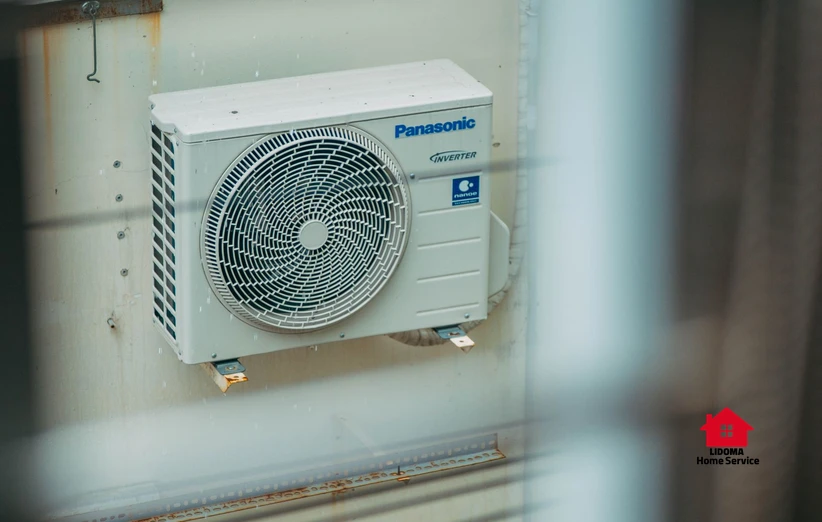
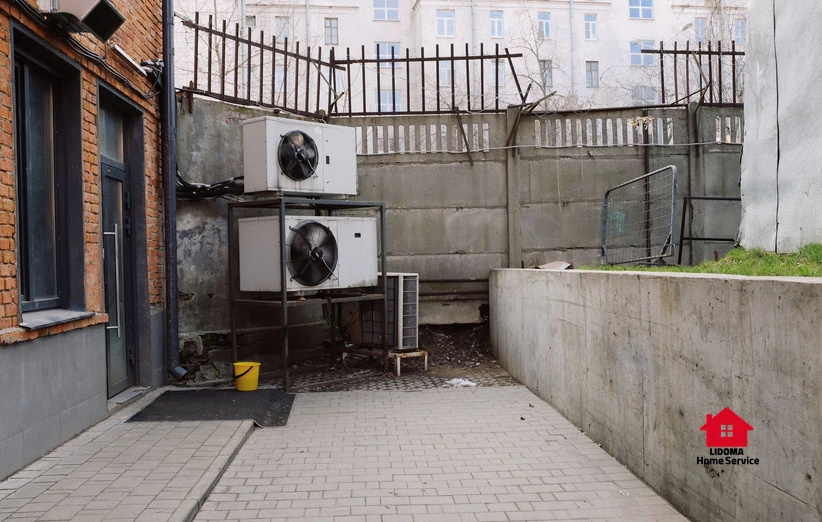
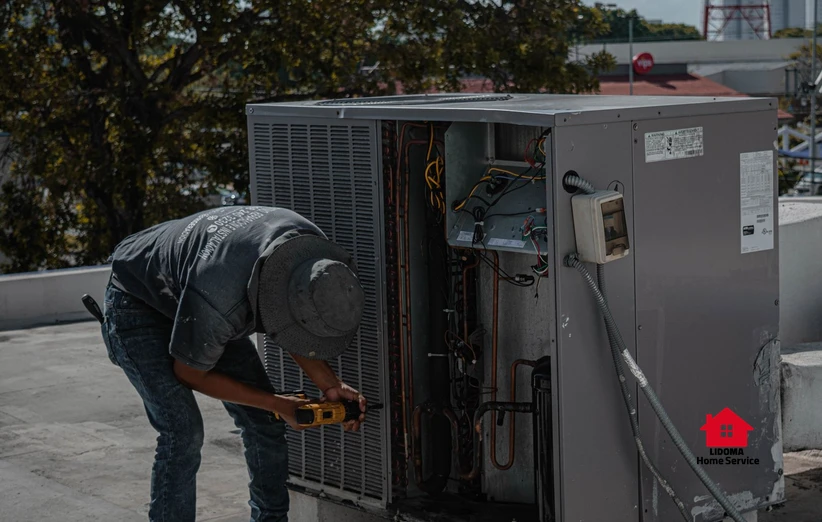
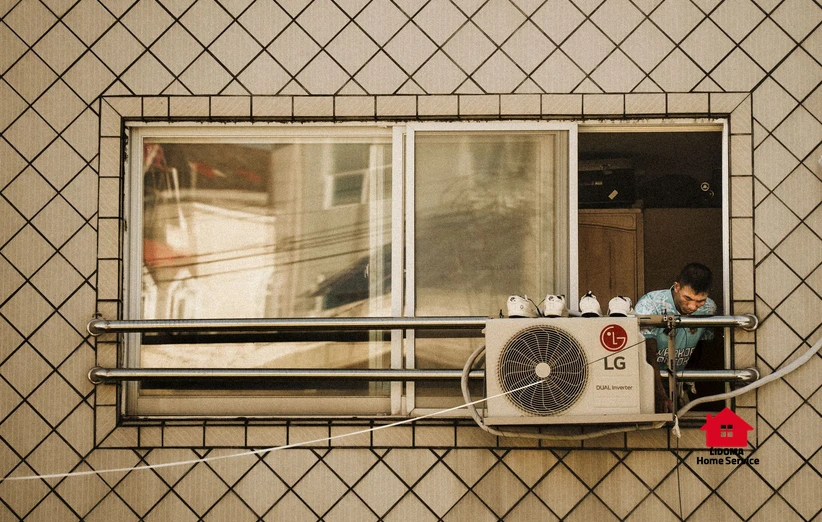
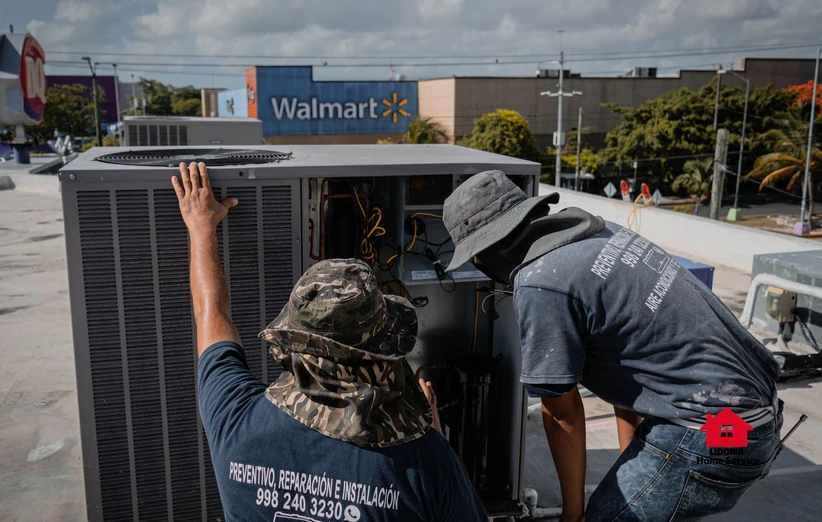
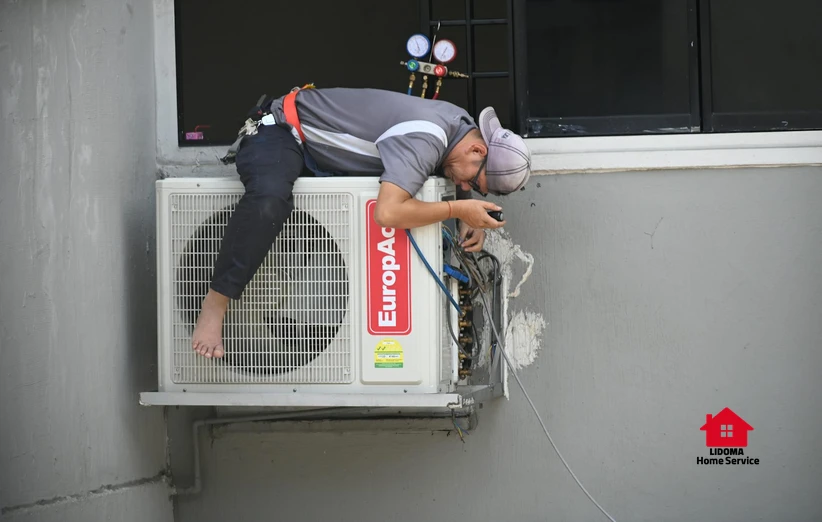
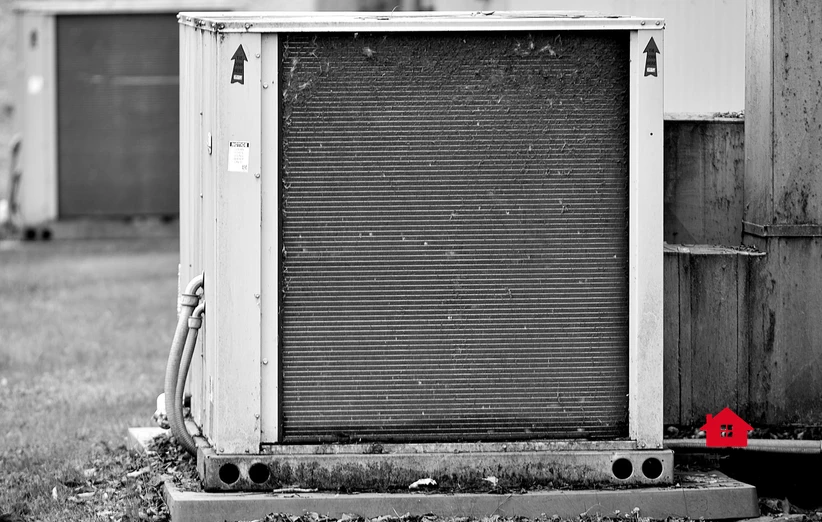
At the outdoor condenser, remove loose leaves, grass clippings, branches, and storage items from the immediate area. Do not pressure-wash the unit or bend the coil fins. The outdoor coil needs adequate airflow to reject heat. When cottonwood fluff, dust, or lawn debris mats onto the coil, head pressure can rise and cooling efficiency can fall. Lidoma Home Services technicians can inspect the coil condition and clean it appropriately when service conditions allow, using methods that avoid damaging the fins or electrical components.
Make sure pets are secured and gates are unlocked. Many Winnipeg properties have side-yard condensers behind fences, under decks, or near narrow walkways. The technician may need repeated access between the thermostat, indoor equipment, electrical panel, and outdoor unit. If the technician has to wait for access, it interrupts the diagnostic sequence. A smooth path also reduces the chance of bumping refrigerant lines, thermostat wiring, or condensate piping.
Prepare basic equipment information if you have it, but do not worry if you cannot find it. Model and serial numbers help identify system age and parts compatibility, but the technician can usually read equipment labels directly. If you have past service notes, photos of previous repairs, or a record of recurring issues, have them ready. Lidoma Home Services uses these details to understand whether the current visit is routine maintenance, a repeat symptom, or part of a longer equipment trend.
Practical access checklist
- Clear at least the immediate working area around the furnace, indoor coil, and filter rack
- Unlock outdoor gates and basement access doors
- Move patio furniture, hoses, and planters away from the condenser
- Replace nothing immediately before the visit unless the filter is completely blocked
- Keep pets away from the work area
- Have thermostat access available
- Know where the electrical panel is located
- Tell the technician about any recent breaker trips or water leaks
This preparation makes Affordable Expert Air Conditioner Tune-Up and Repair more productive because the visit focuses on findings, not obstacles. Lidoma Home Services technicians can then test the system in operating conditions, explain what they are measuring, and show the homeowner which concerns are urgent and which are maintenance items.
Questions to Ask Before Booking an AC Tune-Up or Repair Visit
Questions to Ask Before Booking an AC Tune-Up or Repair Visit
The best booking questions are specific enough to reveal process. Instead of asking only whether someone can come out, ask what the visit includes and how the technician determines the cause of poor cooling. A proper AC appointment should consider airflow, electrical components, temperature drop, condensate drainage, outdoor coil condition, thermostat operation, and visible refrigerant-line behaviour. Lidoma Home Services can explain the service approach before booking so homeowners understand what is being checked.
Ask whether the appointment is intended as a tune-up, a repair diagnostic, or both. A tune-up is usually aimed at cleaning, inspection, measurement, and adjustment where appropriate. A repair visit focuses on a known failure or symptom. Many Winnipeg homeowners book because the system is weak, noisy, leaking, or short cycling; that is different from a preseason maintenance appointment on a system that is already working normally. Clear wording helps the technician bring the right diagnostic mindset.
Ask what information the company needs from you. The answer should include symptom details, equipment location, access restrictions, and safety concerns. If the AC is frozen, ask whether you should turn cooling off before the technician arrives. Ice on the evaporator coil can hide the true airflow and refrigerant conditions. Running a frozen system can also send liquid refrigerant back toward the compressor in some situations. Lidoma Home Services can advise on safe homeowner steps without asking you to open equipment panels.
Ask how findings will be explained. Homeowners should expect plain-language explanations connected to measurements where possible. For example, if airflow is low, the technician should identify likely restrictions such as a plugged filter, dirty blower wheel, restrictive return air, closed dampers, duct leakage, or coil blockage. If the outdoor unit is not starting, electrical testing may involve contactor operation, capacitor values, voltage supply, and motor response. Lidoma Home Services technicians document and discuss the reason behind recommendations instead of presenting a repair as a mystery.
Good questions before booking include:
- Will the technician check both the indoor equipment and the outdoor condenser?
- Should I shut the system off if I see ice or water?
- What symptoms should I write down before the appointment?
- How do you distinguish low airflow from a refrigerant-side concern?
- Will I be told what is urgent versus optional maintenance?
- Can the technician discuss whether repair still makes sense if the system is older?
- If duct airflow is part of the issue, will you explain whether Professional Duct Cleaning or a duct correction is relevant?
These questions help you choose Expert HVAC services Winnipeg homeowners can evaluate on substance. Lidoma Home Services is a practical fit for homeowners who want the technician to connect symptoms to HVAC fundamentals rather than simply replacing parts without explanation.
What the Technician Actually Checks During the Appointment
What the Technician Actually Checks During the Appointment
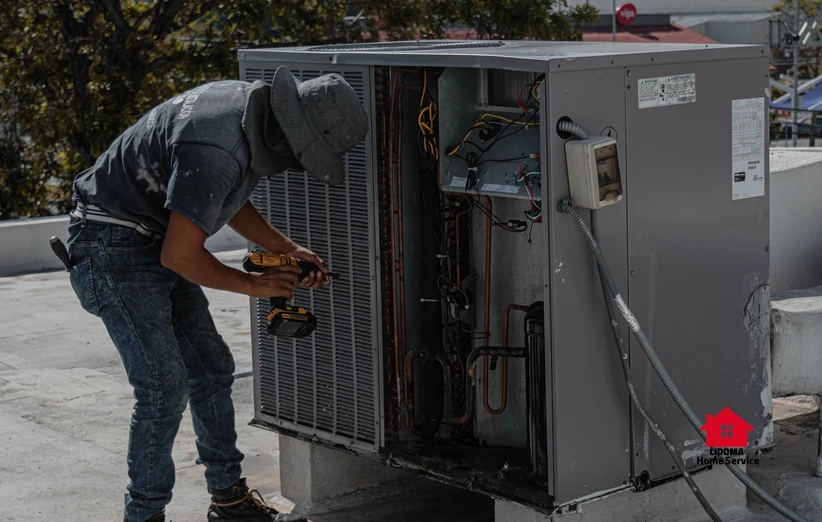
During Expert Air Conditioner Tune-Up and Repair, the technician should evaluate the AC as a connected system. The outdoor condenser, indoor evaporator coil, furnace blower, thermostat, filter, ductwork, drain system, and electrical components all affect cooling. A compressor can be healthy and still fail to cool the home if airflow is poor. A clean filter alone will not fix a weak capacitor or a blocked condenser coil. Lidoma Home Services uses a sequence that follows how heat is removed from the home and rejected outdoors.
A technician will typically begin with a call for cooling at the thermostat and observe whether the indoor blower and outdoor unit respond correctly. The thermostat is the command point. Poor thermostat location, loose wiring, incorrect settings, or low batteries can create symptoms that look like equipment failure. In older Winnipeg homes, thermostats may be near stairwells, sunlight, kitchens, or drafts, which can misrepresent the true living-area temperature.
Airflow checks matter because the evaporator coil depends on warm indoor air moving across it. If airflow is restricted, the coil can get too cold, humidity removal can become uneven, and ice can form. The technician may inspect filter condition, blower operation, return-air restrictions, supply registers, and visible coil condition. If the furnace blower section is dirty or underperforming, Furnace Tune-Up and Repair may be relevant because the same blower that heats the home in winter often moves air for cooling in summer.
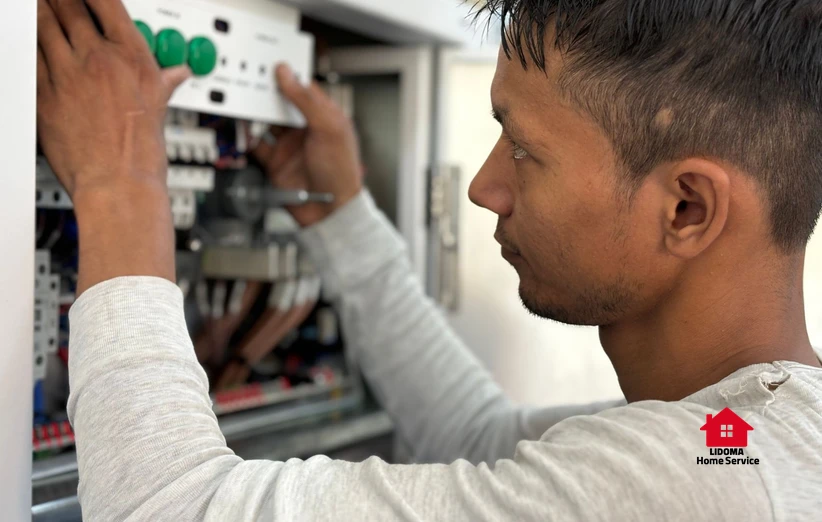
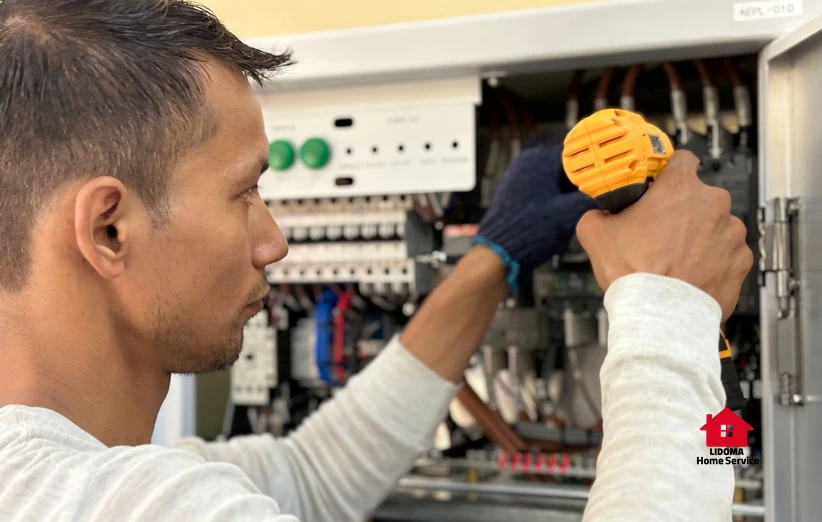
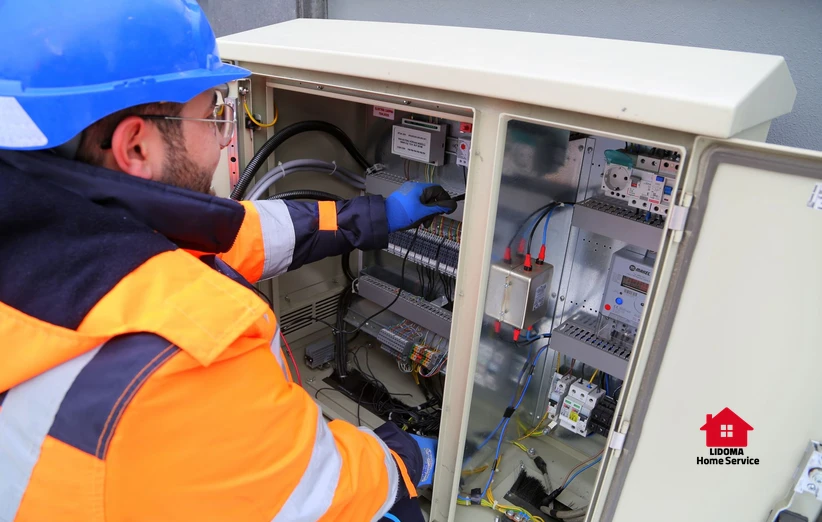
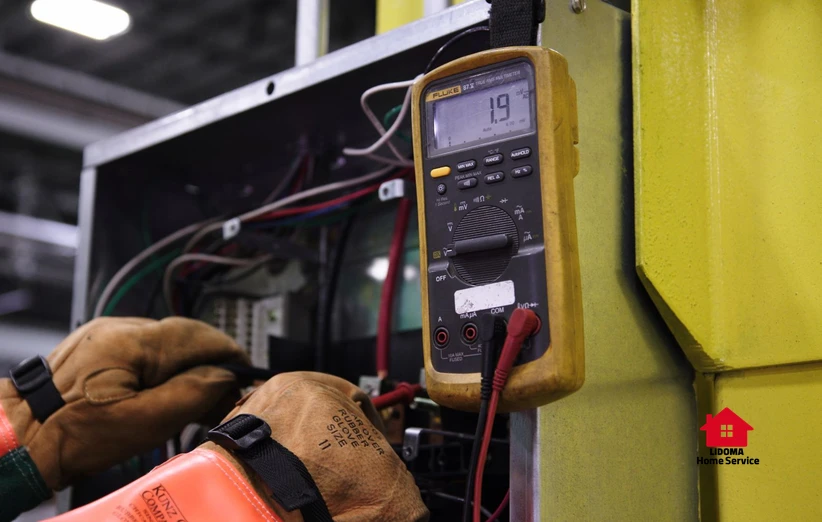
Electrical testing may include voltage, amperage, contactor operation, capacitor condition, motor performance, and wiring condition. Capacitors can weaken over time, especially after repeated seasonal starts. Contactors can pit or chatter. Outdoor fan motors can overheat if airflow is blocked. These are not homeowner-safe tests; capacitors can hold an electrical charge even when power is off. Lidoma Home Services technicians use proper electrical diagnostic tools and safety procedures to test rather than guess.
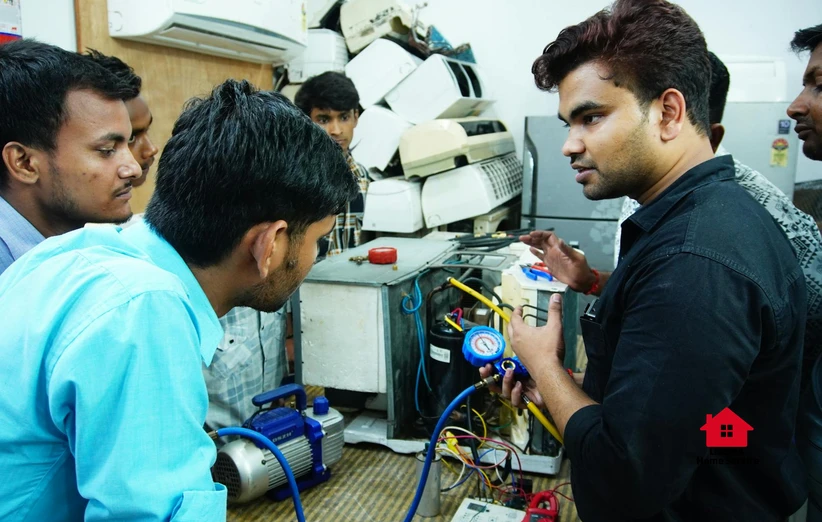
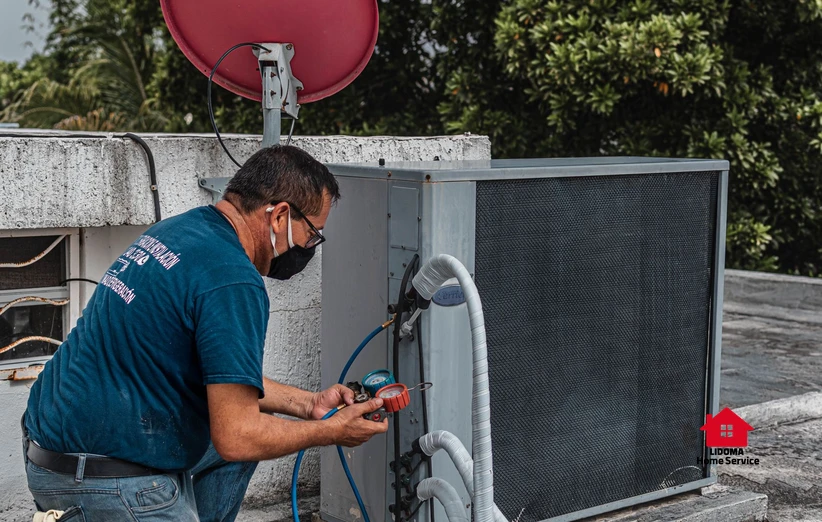
Refrigerant-side evaluation is also measurement-based. A technician may look at suction-line temperature, liquid-line condition, system pressures where appropriate, superheat or subcooling depending on the equipment, and temperature split across the indoor coil. Homeowners should know that refrigerant is not consumed like fuel. If a system is low, there may be a leak or another issue requiring professional assessment. Lidoma Home Services explains refrigerant concerns carefully because adding refrigerant without understanding the underlying cause can leave the homeowner with repeat problems.
Condensate drainage is another common Winnipeg issue during humid stretches. Air conditioners remove moisture as well as heat. If the drain line, trap, pump, or pan is blocked, water can appear near the furnace or finished basement flooring. The technician should identify whether the water is from condensate, ice melt, humidifier piping, or another nearby source. This is where whole-mechanical-room awareness matters; Lidoma Home Services looks at the equipment layout, not just the outdoor unit.
Winnipeg Conditions That Change AC Performance and Timing
Winnipeg Conditions That Change AC Performance and Timing
Winnipeg cooling systems sit idle through long, cold months, then are expected to start reliably when warm weather arrives. That seasonal pattern affects motors, contactors, condensers, thermostat settings, drain lines, and outdoor coil cleanliness. Spring debris and cottonwood can cover condenser coils quickly. A system may appear fine during a mild test day but struggle when outdoor temperatures rise and indoor humidity climbs. Lidoma Home Services considers seasonal timing when assessing whether a tune-up should happen before the first sustained heat.
Older Winnipeg housing stock can also complicate cooling. Many homes were built or renovated with heating as the priority, not central cooling. Ductwork may have long runs, undersized returns, limited second-floor supply, basement-dominant airflow, or balancing issues. In a two-storey home, bedrooms may remain warm even when the main floor feels fine. The issue may not be refrigerant at all; it may be static pressure, duct leakage, poor return-air pathways, insulation levels, solar gain, or blower performance.
Humidity is another major factor. On humid days, a correctly operating AC removes moisture as the evaporator coil runs below the indoor air dew point. If the system short cycles, airflow is wrong, the thermostat is poorly located, or the equipment is oversized, humidity removal can suffer. The home may feel sticky even at a reasonable temperature. Lidoma Home Services technicians look beyond the thermostat number and ask whether the home feels damp, whether windows sweat in shoulder seasons, and whether ventilation affects indoor moisture.
Basement mechanical rooms create their own service realities. Finished basements may hide drain tubing, coil cabinets, or duct transitions. Storage can block return-air grilles or service panels. Floor drains may be distant from the furnace, requiring a condensate pump. During AC season, water near the furnace can come from the evaporator coil drain, a humidifier bypass left in the wrong seasonal position, or nearby plumbing. If the home uses Humidifier Installation and Maintenance equipment, seasonal damper and water settings should be checked so winter humidity equipment does not interfere with summer operation.
Ventilation and filtration can also affect comfort. Some homes with tight renovations may need better fresh-air strategy, while dusty homes may have duct or filtration issues. If the home has stale-air complaints alongside cooling complaints, Professional HRV Installation may be worth discussing as a separate ventilation solution, not as a direct AC repair. If filtration needs are high due to allergies, pets, or fine dust, HEPA Filter Installation may be relevant, but airflow impact must be considered. Lidoma Home Services evaluates these interactions so one comfort upgrade does not accidentally create an airflow problem for the AC.
For timing, do not wait until the first heat wave if you already noticed weak cooling last year. Service schedules become busier when many systems fail at once. A preseason appointment allows time to clean, test, and make decisions before the home is uncomfortable. That is one reason homeowners search for Expert HVAC services Winnipeg before the season changes rather than during a breakdown.
Common Mistakes to Avoid Before and After Booking
Common Mistakes to Avoid Before and After Booking
The first mistake is repeatedly resetting a breaker without understanding why it tripped. A breaker trip can point to a compressor, motor, wiring, short circuit, or overcurrent condition. Resetting it once after a clear accidental event is different from resetting it every time the AC starts. If the breaker trips again, stop using the system and call a professional. Lidoma Home Services treats repeated electrical interruptions as diagnostic clues, not inconveniences to ignore.
The second mistake is assuming low refrigerant is the default cause of poor cooling. Low refrigerant is possible, but airflow restrictions, dirty coils, weak capacitors, failed fan motors, thermostat problems, and duct issues can create similar symptoms. Refrigerant should not be topped up casually. The refrigeration circuit is sealed, and a meaningful loss suggests a leak or service issue. A technician should use measurements to determine whether refrigerant charge is actually suspect.
The third mistake is installing the most restrictive filter available without checking system airflow. High-efficiency filters can be useful, but not every blower and return-air system can handle added resistance. In older Winnipeg homes with limited return ducts, a dense filter can increase static pressure, reduce airflow, freeze the evaporator coil, and shorten equipment life. Lidoma Home Services can help homeowners choose filtration that supports indoor air goals without choking the cooling system.
The fourth mistake is blocking the outdoor condenser for appearance or convenience. Decorative screens, shrubs, covers, snow-damaged fencing, and stored items can reduce the airflow needed for heat rejection. The outdoor fan is not just moving air for noise; it is removing heat collected from inside the home. Poor condenser airflow can raise operating pressure and stress the compressor. Keep the area open and let the technician assess coil cleanliness during service.
The fifth mistake is ignoring water. Condensate leaks can damage finished basements and can also indicate airflow or icing issues. If water appears near the furnace during AC operation, turn the system off if safe to do so and call for service. Do not assume the floor drain will handle it. Lidoma Home Services checks the drain path, pan condition, trap, condensate pump where present, and whether ice melt is contributing.
The sixth mistake is waiting until the AC completely fails when symptoms have been present for weeks. Short cycling, warm supply air, unusual noise, burning smells, ice, or repeated thermostat calls without cooling are all reasons to book Expert Air Conditioner Tune-Up and Repair. Early diagnosis can prevent a small issue from creating secondary damage, such as a failing fan motor leading to compressor stress.
Finally, avoid comparing repair options only by the number of parts named. A good recommendation should explain cause and effect. If a capacitor is weak, what reading supports that? If airflow is low, where is the restriction likely occurring? If replacement is suggested, what conditions make repair less practical? Lidoma Home Services focuses on showing homeowners the reasoning behind recommendations so decisions are based on system condition.
When to Repair vs Replace an Air Conditioner
When to Repair vs Replace an Air Conditioner
Repair versus replacement is not decided by age alone. Age matters, but so do repair history, current failure type, refrigerant situation, airflow compatibility, comfort complaints, electrical condition, and whether the system was properly sized for the home. A newer unit with a failed capacitor may be a straightforward repair. An older unit with compressor failure, repeated refrigerant loss, poor cooling distribution, and high operating stress may deserve a broader conversation. Lidoma Home Services helps homeowners separate repairable faults from signs of declining system value.
Start with the failure type. Electrical components such as capacitors, contactors, and some motors are common service items. Their failure does not automatically mean the entire AC is done. However, compressor failure is more serious because the compressor is central to the refrigeration cycle. If the compressor has failed, the technician should explain contributing causes such as airflow restriction, condenser coil blockage, electrical stress, refrigerant issues, or age-related wear. Replacing a major component without addressing root cause can lead to repeat failure.
Next, consider refrigerant concerns. If a system is low on refrigerant, the question is why. A one-time correction without leak evaluation may not be a durable repair. Homeowners should ask whether the suspected issue is accessible, whether the leak is confirmed, and whether the repair is practical based on equipment condition. Lidoma Home Services avoids presenting refrigerant as a simple seasonal refill because refrigerant behaviour is part of a sealed system diagnosis.
Comfort performance also matters. If the system has always cooled unevenly, repair may restore operation but not solve distribution problems. Older Winnipeg homes with undersized returns, restrictive ductwork, or hot second floors may need airflow corrections, balancing, or equipment redesign. If the AC itself is failing and the duct system is also limiting performance, Professional Air Conditioner Installation may be discussed alongside airflow improvements so a new unit is not forced to work against the same old restrictions.
Homeowners should also weigh repeated service calls. If the system needs frequent repairs, the total inconvenience and risk of mid-summer failure become part of the decision. This does not require inventing a specific dollar threshold. Instead, compare the nature of the repairs, equipment age, availability of compatible parts, indoor comfort results, and whether the next repair addresses root cause or simply keeps the system running temporarily.
Ask the technician these repair-or-replace questions:
- Is this failure isolated, or does it suggest broader system wear?
- Are airflow or duct restrictions contributing to the problem?
- Is refrigerant loss suspected or confirmed?
- Will the repair restore normal performance or only partial operation?
- Are there safety or electrical concerns?
- If replacement is recommended, what sizing and duct factors should be reviewed first?
Lidoma Home Services frames this decision around measured conditions and homeowner goals. That makes the recommendation more useful than a simple yes-or-no answer, especially in Winnipeg homes where the AC, furnace blower, ductwork, and humidity control all interact.
What to Expect When You Book With Lidoma Home Services
What to Expect When You Book With Lidoma Home Services
When you book, be ready to describe the issue in plain language. You do not need technical vocabulary. Say whether the air is warm, airflow is weak, water is present, the outdoor unit is silent, the system is noisy, the breaker trips, or certain rooms are uncomfortable. Lidoma Home Services uses that information to classify the visit and prepare for the most likely diagnostic route.
At arrival, the technician should confirm the complaint, inspect access, and begin with safe operating checks. If the equipment should not be run because of ice, electrical concerns, burning odours, or obvious damage, the technician may begin with visual and electrical inspection rather than forcing the system to start. This protects the compressor and avoids creating additional damage during diagnosis.
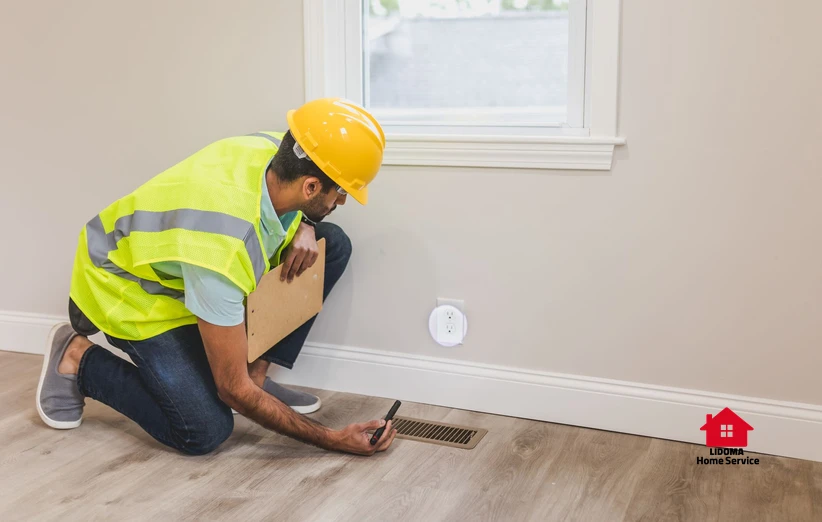
During the appointment, expect movement between the thermostat, indoor mechanical equipment, outdoor condenser, and possibly the electrical panel. Cooling is a circuit of heat transfer, airflow, and controls, so a technician cannot fully understand the problem from one location. Lidoma Home Services technicians explain what they are checking in homeowner-friendly terms: airflow across the coil, whether the outdoor fan and compressor are operating, whether electrical components are within expected behaviour, and whether condensate is draining.
If cleaning is required, the technician should explain what is being cleaned and why. Outdoor coil cleaning supports heat rejection. Blower or filter-related recommendations support airflow. Drain cleaning protects the mechanical room from water damage. If duct dust or airflow restriction appears significant, Professional Duct Cleaning may be discussed as a separate service, but it should not be used as a catch-all explanation for every cooling issue.
After testing, you should receive a clear explanation of findings. Useful summaries include what was observed, what was measured, what likely caused the symptom, what was corrected during the visit, and what remains recommended. If parts are needed, ask what the part does and how its failure affected operation. If the system is operating but marginal, ask what signs would indicate the issue is returning.
Prominent booking contact
For Expert Air Conditioner Tune-Up and Repair in Winnipeg, Manitoba, contact Lidoma Home Services directly:
+1 204 297 4420
+1 431 374 3360
Save both numbers: +1 204 297 4420 and +1 431 374 3360. Booking before the first major heat wave gives the technician more flexibility to inspect, explain, and correct issues before the home is under peak cooling demand.
FAQ: Winnipeg Homeowner Questions Before an AC Service Visit
FAQ: Winnipeg Homeowner Questions Before an AC Service Visit
Should I turn off my AC if I see ice on the refrigerant line?
Yes, turn cooling off if you can do so safely and run the fan only if advised. Ice can be caused by low airflow, refrigerant issues, or coil problems. The technician needs the ice melted to evaluate airflow and refrigerant behaviour accurately. Lidoma Home Services can guide you on safe pre-visit steps when you call.
Is weak airflow always a duct problem?
No. Weak airflow can come from a plugged filter, dirty blower wheel, restrictive return air, closed dampers, a failing blower motor, a dirty evaporator coil, or duct leakage. In Winnipeg homes with older duct layouts, duct design may contribute, but the technician should check the blower and filter path first. If duct contamination or restriction is part of the finding, Professional Duct Cleaning may be relevant.
Why does my AC cool the main floor but not the bedrooms?
Second-floor cooling problems often involve heat gain, duct length, limited return air, balancing, insulation, window exposure, and blower performance. The AC may be functioning, but the air distribution system may not be moving enough conditioned air upstairs. Lidoma Home Services evaluates comfort complaints room by room instead of assuming the outdoor unit is the only issue.
Can I wash the outdoor condenser myself?
You can remove loose debris around the unit and gently clear obvious obstructions, but avoid pressure washing, bending fins, removing panels, or spraying electrical areas. A technician can inspect coil condition and clean it appropriately during service. Damaged fins and wet electrical components can create new problems.
How early should I book a tune-up in Winnipeg?
Booking before sustained hot weather is practical because the system can be tested before peak demand. Spring and early summer are common times, especially if the AC struggled the previous year. If you noticed noise, water, icing, or poor cooling last season, do not wait for the next heat wave.
What should I ask if a repair is recommended?
Ask what failed, how the technician confirmed it, whether the failure was caused by another condition, and whether the repair should restore normal operation. For older equipment, ask whether Professional Air Conditioner Installation should be considered now or only if major failures continue.
Who should I call to book service?
Call Lidoma Home Services at +1 204 297 4420 or +1 431 374 3360 for AC tune-up and repair scheduling. Homeowners looking for Expert HVAC services Winnipeg can use the checklist above to prepare useful symptom notes before calling.