HEPA Installed but Air Still Bad? Find the System Fault
A practical diagnostic manual for Winnipeg homeowners dealing with ongoing dust, odours, weak airflow, and uneven comfort after HEPA upgrades
Author : Lidoma Home Services Ltd
A whole-home HEPA upgrade can improve filtration, but it cannot correct every HVAC problem by itself. If dust returns quickly, rooms still feel stuffy, airflow drops, or odours keep cycling through the house after HEPA Filter Installation in Winnipeg, Manitoba, the problem is usually elsewhere in the system: duct leakage, high static pressure, blower limitations, humidity imbalance, ventilation issues, dirty coils, bypass gaps, or an oversized or undersized piece of equipment.
Winnipeg homes make this diagnosis especially important. Long heating seasons keep furnaces and blowers running for months. Spring melt and summer humidity can affect basements, duct insulation, and indoor moisture. Older homes may have tight mechanical rooms, retrofitted ductwork, additions with weak runs, and return-air paths that were never designed for modern filtration. A HEPA filter can capture fine particles only when enough air reaches it and the rest of the system supports it.
Lidoma Home Services approaches HEPA performance complaints as a system-level investigation, not a filter-only visit. Their technicians use practical diagnostic tools such as static pressure testing, airflow checks, humidity readings, visual duct inspection, and equipment condition assessment to find why the upgrade is not delivering the expected result. For homeowners comparing Expert HVAC services Winnipeg, the useful question is not simply whether a HEPA unit was installed. The better question is whether the ductwork, blower, return air, ventilation, humidity control, and maintenance condition were checked at the same time.
Why a HEPA Upgrade Can Expose Problems Instead of Solving Them
A HEPA system is a filtration component, not a full HVAC repair. It can remove very small airborne particles from the air that passes through it, but it cannot force air through undersized ducts, seal a leaky return, balance humidity, clean a neglected blower wheel, or correct a ventilation shortfall. When homeowners say the air still feels dirty after installation, the filter is often doing its job on the air it receives, while another part of the home keeps reintroducing particles or restricting circulation.
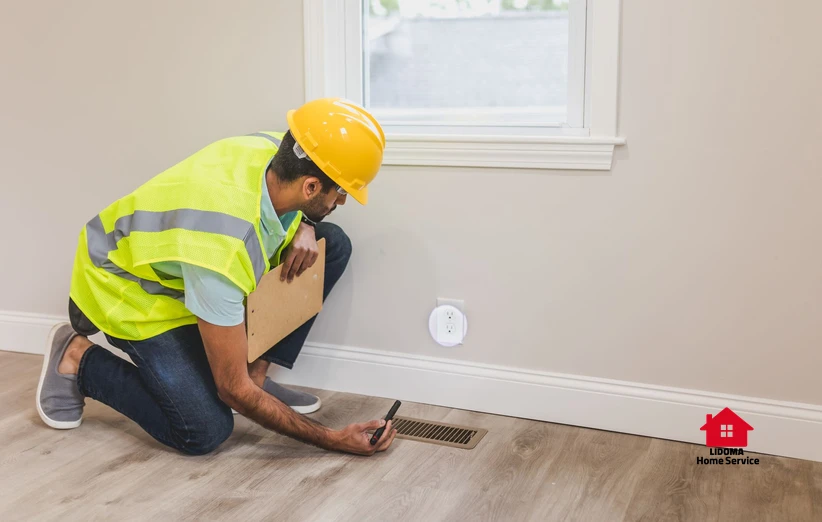
One common issue is bypass. Air always follows the easiest path. If a filter cabinet, access door, return boot, or duct joint has gaps, some air may move around the filter rather than through it. Even small bypass points can reduce real-world performance because unfiltered return air keeps mixing with filtered supply air. Lidoma Home Services technicians look for signs such as dust trails around cabinet seams, loose panels, missing gaskets, poorly seated filters, and return-side leakage near basement mechanical rooms. These details matter more than the label on the filter.
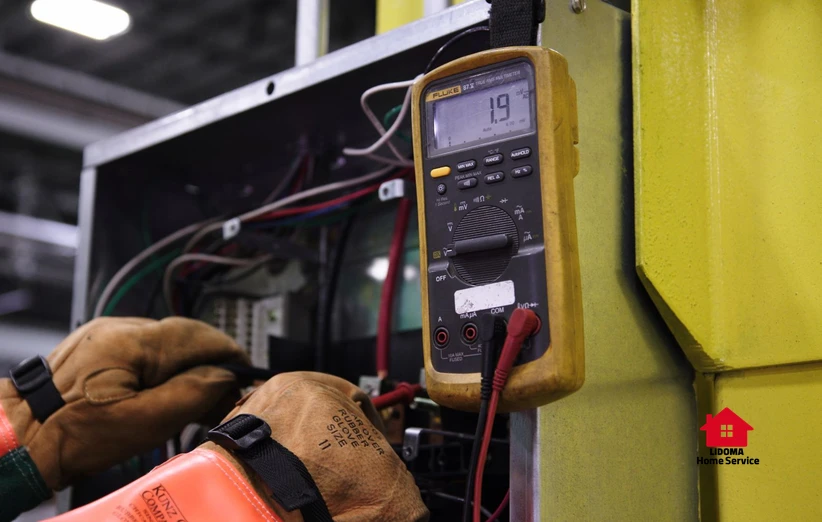
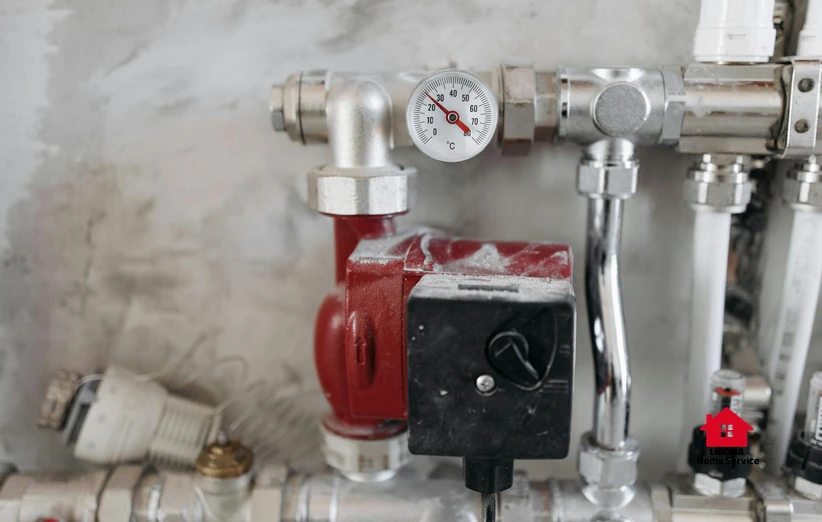
Another hidden issue is static pressure. High-efficiency filtration adds resistance to airflow. A properly selected system accounts for that resistance, but if the existing ductwork is already restrictive, the added filter can push the blower outside a healthy operating range. The homeowner may notice weaker airflow, longer furnace cycles, noisier returns, or rooms that heat and cool unevenly. Lidoma Home Services checks static pressure with a manometer and pressure probes instead of guessing from vent feel alone. That measurement helps separate a filter problem from a duct sizing, coil, blower, or return-air problem.
Winnipeg heating conditions amplify these faults. During long cold stretches, the furnace blower may run frequently, so any restriction or leakage shows up as comfort complaints faster. In older neighbourhoods, return ducts may be limited, partially blocked by renovations, or routed through tight basement spaces. If a HEPA unit is added without confirming the return path and blower capability, the system may filter well in theory while underperforming in daily operation.
This is why Affordable HEPA Filter Installation should not mean a rushed filter box added to an untested system. The affordable choice is the one that avoids repeat visits, unnecessary part changes, and unresolved comfort complaints. Lidoma Home Services focuses on installation fit, airflow impact, cabinet sealing, and homeowner education so the HEPA upgrade works with the existing equipment rather than fighting it.
Airflow Restrictions: The Most Common Reason Rooms Still Feel Stale
Poor airflow can make a good filter seem ineffective. If the blower cannot move enough air through the return side, across the heat exchanger or evaporator coil, and back through the supply ducts, filtration becomes slow and uneven. The air in some rooms may pass through the HEPA system often, while remote bedrooms, additions, or basement areas may exchange air poorly. Homeowners then see dust on surfaces and assume the HEPA system failed, when the real problem is that room air is not reaching the filter often enough.
Restrictions can happen on either side of the system. Return grilles may be undersized, blocked by furniture, or connected to ducts with sharp transitions. Supply ducts may be crushed, disconnected, closed at dampers, or restricted by dirty registers. Furnace cabinets, evaporator coils, secondary filters, and blower wheels can also add resistance. Lidoma Home Services uses a step-by-step airflow review that may include temperature rise checks, static pressure readings, register airflow observation, and inspection of accessible duct connections. This gives the technician a more reliable picture than simply replacing the filter again.
A dirty blower wheel is a specific example many homeowners never see. Dust can build up on the small fins of the wheel, reducing the blower’s ability to move air. That changes the system curve and can make airflow drop even when the motor is running. In heating season, reduced airflow may raise furnace temperatures. In cooling season, it may contribute to coil icing or poor dehumidification. If blower contamination is part of the problem, Professional Furnace Cleaning may be relevant because the issue is mechanical cleanliness, not just filtration.
Duct debris can also keep returning to the living space after a filtration upgrade. A HEPA filter captures particles moving through the filter path, but it does not remove settled construction dust, pet hair, renovation debris, or old contamination from duct interiors. If air velocity changes after equipment work, some settled material can be disturbed. In homes with visible dust at registers, musty return cavities, or a history of renovations, Lidoma Home Services may recommend evaluating whether Professional Duct Cleaning is part of the solution.
Homeowners can perform a basic check before booking. Confirm that supply and return grilles are open and not covered. Replace standard disposable filters on schedule if the system still uses one upstream or downstream of the HEPA unit. Listen for new whistling at returns, which can indicate restriction. Compare airflow at rooms farthest from the furnace. These observations help Lidoma Home Services narrow the diagnostic path when they arrive, especially in Winnipeg homes with long duct runs, finished basements, and additions.
Duct Leakage, Basement Returns, and Winnipeg Housing Realities
Duct leakage is one of the most overlooked reasons indoor air quality problems continue after a HEPA upgrade. Return-side leaks are especially important because they can pull dusty basement air, insulation fibres, crawlspace air, or mechanical-room odours into the HVAC stream before the air reaches the filter. If the leak is before the HEPA cabinet, the filter may capture some of that material. If the leak is after the filter or if bypass exists around the cabinet, contaminants can circulate through the home.
Many Winnipeg homes have basements that serve as both living space and mechanical space. Laundry lint, stored belongings, pet areas, workshop dust, and seasonal moisture can all add particles and odours. Older duct systems may use building cavities as return paths, or they may have joints that were never sealed to modern expectations. A HEPA system cannot overcome a return path that keeps drawing from dusty or damp areas. Lidoma Home Services looks closely at return plenums, filter cabinets, panned joists where visible, duct seams, and pressure relationships near the furnace.
Supply-side leakage creates a different problem. Conditioned air can escape into joist spaces, unfinished basements, or concealed cavities instead of reaching rooms. The blower runs, the HEPA unit filters, and the furnace or air conditioner operates, but the homeowner still feels weak delivery upstairs. The result may be longer run times and uneven comfort. In winter, this can make rooms at the end of duct runs feel cold even when the thermostat is satisfied. In summer, upper floors may remain humid or warm.
Winnipeg’s seasonal swings make duct leakage more noticeable. During extreme cold, stack effect can pull air upward through the home and draw replacement air from lower levels. If return leaks exist in the basement, the HVAC system may help distribute basement odours or fine dust. During humid summer periods, cool duct surfaces in unconditioned or semi-conditioned areas may contribute to condensation risks if insulation and airflow are poor. These are building-system issues, not filter-media issues.
Lidoma Home Services does not need to open every wall to start diagnosing duct leakage. Technicians can use visual evidence, airflow symptoms, static pressure patterns, temperature differences, and homeowner observations to decide where the likely faults are. If duct contamination is part of the complaint, Professional Duct Cleaning may be discussed in context, but cleaning alone is not treated as a cure for bad duct design or leakage. The goal is to identify the source of the performance problem before recommending the next step.
Humidity and Ventilation: Why Clean Air Can Still Feel Wrong
Homeowners often describe air quality problems as dust, but the real discomfort may be humidity imbalance or poor ventilation. Air that is too dry can irritate skin, increase static, and make dust more noticeable on surfaces. Air that is too humid can feel heavy, carry odours, and support musty smells in basements or around cool surfaces. A HEPA filter captures particles; it does not add moisture, remove moisture, or bring in outdoor air. That distinction is central to diagnosing ongoing complaints.
Winnipeg homes experience large humidity changes through the year. In winter, outdoor air is cold and typically holds very little moisture. When that air enters and is heated, indoor relative humidity can drop. In summer, humidity can rise, especially in basements or homes with limited air conditioning runtime. If a homeowner installs a HEPA system expecting it to fix dry throats, window condensation, musty basement odours, or stale bedrooms, disappointment is likely unless humidity and ventilation are evaluated at the same time.
Lidoma Home Services uses hygrometers and system observations to understand whether the complaint is particle-related, moisture-related, ventilation-related, or a combination. If the home is too dry or humidity control equipment is not operating properly, Humidifier Installation and Maintenance may be relevant. If stale air, lingering cooking odours, or poor fresh-air exchange are the main issues, Professional HRV Installation may be part of the broader conversation. The point is not to sell multiple components; it is to match the fix to the actual cause.
Ventilation deserves special attention in tighter homes or homes upgraded with new windows, air sealing, or insulation. A tighter envelope can reduce uncontrolled air leakage, which is good for energy performance, but it can also reduce natural dilution of indoor pollutants. A HEPA system can recirculate and filter indoor air, but without adequate fresh-air exchange, odours and moisture may persist. Lidoma Home Services checks how the HVAC system interacts with exhaust fans, HRV equipment if present, return-air location, and basement conditions.
Homeowners should watch for clues. Dust that settles quickly after cleaning often points toward source control, leakage, or duct debris. Stale air in closed bedrooms may point toward insufficient return pathways or ventilation. Condensation on windows in winter may point toward excess indoor humidity or poor ventilation. Cracking wood, static shocks, and dry discomfort may point toward low humidity. These symptoms help Lidoma Home Services determine whether the HEPA system needs adjustment or whether the home needs a different type of HVAC correction.
What Lidoma Technicians Check During a HEPA Performance Visit
A useful service visit starts with the complaint, not with the equipment label. Lidoma Home Services technicians ask what changed after installation, which rooms are affected, whether the issue is dust, odour, airflow, noise, humidity, or temperature, and whether the problem is seasonal. A Winnipeg homeowner who notices weak airflow only during heating season may have a different issue than someone who notices musty air during summer cooling. The timeline matters because it points toward blower performance, duct leakage, ventilation, coil condition, or moisture.
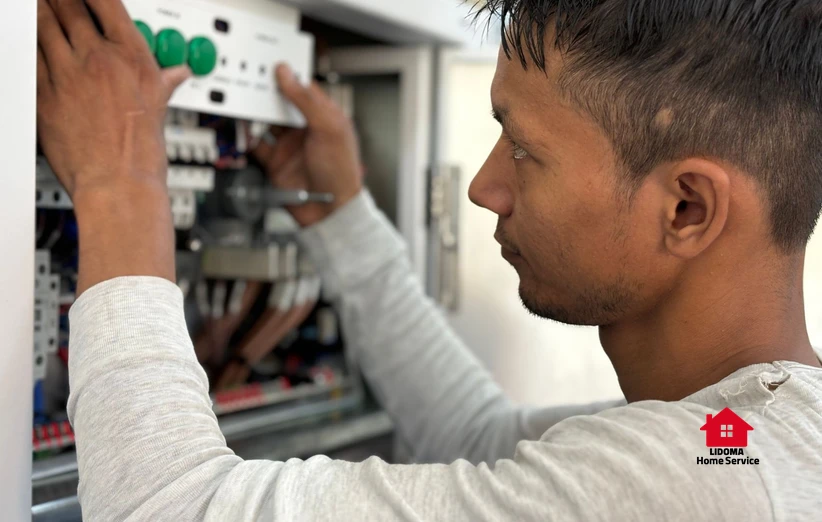
The technician then checks the installed HEPA assembly and nearby ductwork. They look for filter seating, cabinet alignment, access-panel closure, gasket condition, transition sizing, and signs of air bypass. A filter that is slightly misaligned can allow leakage around the media. A transition that is too abrupt can create turbulence and pressure loss. A cabinet installed in a cramped mechanical room may be difficult to service, leading to poor maintenance later. These are practical installation details that affect performance every day.
Airflow testing is usually the next layer. Static pressure readings help identify whether the system is operating under excessive resistance. The technician may compare return-side and supply-side pressures and look for abnormal pressure drop across filters, coils, or cabinets. If readings are high, the problem may not be the HEPA media alone. It could be a dirty coil, undersized return, restrictive duct fitting, clogged secondary filter, or blower setting issue. For heating complaints, Furnace Tune-Up and Repair may be relevant if the furnace operation itself is outside normal expectations.
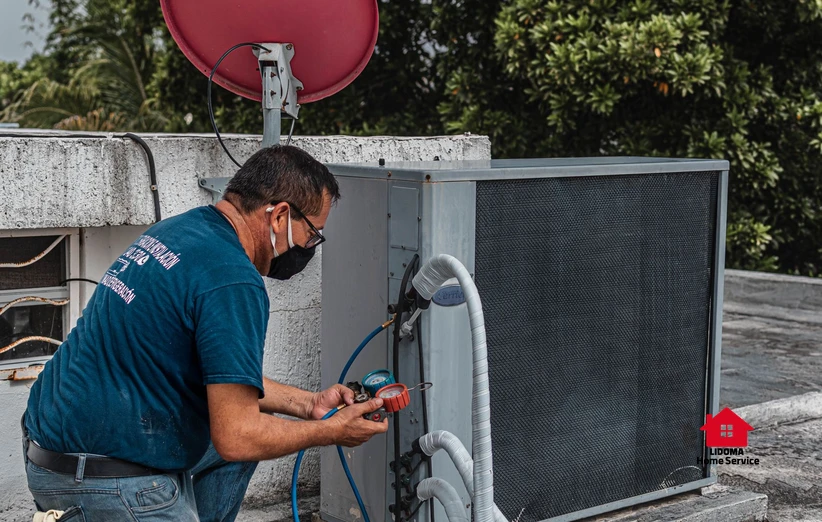
The visit may also include equipment condition checks. A dirty evaporator coil can restrict airflow during both cooling and heating blower operation. A blower motor that is not reaching proper speed can reduce air changes through the filter. A condensate issue can create odours that filtration will not remove. During cooling season, poor refrigerant performance or coil problems can affect humidity removal, making air feel sticky even when particles are being filtered. When cooling performance is part of the complaint, Expert Air Conditioner Tune-Up and Repair may be the correct diagnostic path.
Homeowners should expect clear findings rather than vague statements. Lidoma Home Services can explain whether the HEPA unit is installed correctly, whether airflow is acceptable, whether ducts or equipment are limiting performance, and what order of repairs makes sense. The best diagnostic outcome is not always a major replacement. Sometimes the fix is sealing a bypass, replacing a loaded prefilter, opening a blocked return, cleaning a blower, correcting a duct transition, or adjusting maintenance intervals.
Common Mistakes to Avoid After Adding Whole-Home HEPA
The first mistake is assuming more filtration is always better. Stacking high-resistance filters in multiple locations can restrict airflow. Some homeowners keep a dense furnace filter in place, add a HEPA system, and forget that the blower now has to pull through both. If the system was not designed for that combined pressure drop, comfort problems can appear quickly. Lidoma Home Services checks the full filter path and explains which filters should remain, which should be changed, and how maintenance should be scheduled.
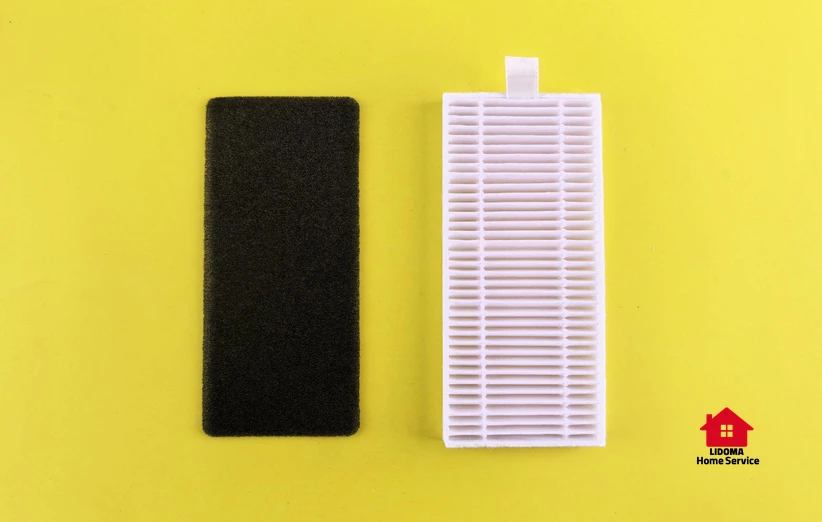
The second mistake is ignoring prefilters. Many HEPA systems rely on a prefilter to capture larger particles before they load the HEPA media. If that prefilter becomes clogged, airflow can drop and the homeowner may notice noise, weak registers, or longer heating and cooling cycles. Replacing the final HEPA media too early may not solve the problem if the prefilter is the restriction. During a service visit, Lidoma Home Services shows homeowners where filters are located and what visual signs suggest loading.
The third mistake is treating odours as a filtration-only problem. Some odours come from drains, damp basements, combustion issues, stored chemicals, pets, cooking, or microbial growth on wet surfaces. A HEPA filter is designed for particles, not every gas or odour source. If an odour is strongest near the mechanical room, floor drain, humidifier pad, condensate line, or return grille, the source should be investigated directly. Lidoma Home Services uses observation, moisture readings where appropriate, and equipment inspection to avoid blaming the filter for a source problem.
A practical homeowner checklist before calling can make the appointment more productive:
- Note which rooms have the worst dust, odour, or weak airflow.
- Check whether return grilles are blocked by furniture, rugs, or storage.
- Write down when filters were last changed and which filters were changed.
- Listen for whistling, rattling, or a change in blower sound after the HEPA upgrade.
- Look for dust streaks around filter cabinet doors, duct seams, or return grilles.
- Track whether symptoms are worse in heating season, cooling season, damp weather, or after renovations.
- Avoid closing many supply registers to force air elsewhere, because it can increase static pressure.
The fourth mistake is waiting until the system is struggling badly. If airflow drops enough, it can affect furnace temperature rise, air conditioner coil performance, and humidity control. Winnipeg’s long heating season means a small restriction in November can become a bigger comfort problem by January. Lidoma Home Services encourages homeowners to call when symptoms first become consistent, not after months of dust buildup or weak airflow.
When to Repair, Adjust, Clean, or Replace the HEPA Setup
Repair versus replacement depends on the cause of the performance problem. If the cabinet is sound, the filter media is appropriate, and airflow is within an acceptable range, the solution may be maintenance or adjustment. That could include replacing a loaded prefilter, reseating the HEPA media, sealing a small bypass point, improving access-panel closure, or correcting a duct transition. Lidoma Home Services starts with these practical checks because many performance complaints come from installation details or maintenance conditions rather than failed equipment.
Cleaning is appropriate when contamination is limiting airflow or becoming a source of particles. A dirty blower wheel, dusty furnace compartment, or debris in accessible ductwork can continue to affect performance after filtration is upgraded. If the system is pulling air through a dusty return path, the filter may load faster than expected. In that case, Professional Furnace Cleaning or Professional Duct Cleaning may support the HEPA system by reducing the particle load upstream and inside the air distribution network.
Adjustment is appropriate when the HEPA system is basically correct but the HVAC system needs balancing. This may involve reviewing blower speed settings where applicable, checking return-air capacity, improving grille access, or identifying ducts that are too restrictive. These changes require care because airflow affects furnace safety, air conditioner operation, noise, and comfort. Lidoma Home Services uses measurements rather than trial-and-error damper changes so one room is not improved at the expense of equipment performance.
Replacement may be considered when the existing HEPA unit is poorly matched, physically damaged, impossible to service, or creating unacceptable pressure drop that cannot be corrected with reasonable duct changes. Replacement can also make sense if the unit was installed in a location that prevents proper filter changes or sealing. No homeowner should be told to replace a HEPA system without a clear explanation of what is wrong and why repair or adjustment is not enough. Lidoma Home Services focuses on showing the evidence: pressure readings, visible leakage, cabinet condition, or access limitations.
The same logic applies to the connected HVAC equipment. If a furnace is old, improperly sized, or struggling with airflow, the HEPA system may reveal a pre-existing limitation. That does not automatically mean replacement is required, but it may justify a broader discussion. If replacement is being considered, Expert Furnace Installation should be evaluated based on sizing, duct compatibility, airflow requirements, and filtration goals. In cooling season, if the air conditioner is part of ongoing humidity or airflow complaints, Professional Air Conditioner Installation may be discussed only when repair is not the sensible path.
What to Expect When You Book a Diagnostic Appointment
Booking a diagnostic visit for HEPA performance should feel different from booking a simple filter change. Lidoma Home Services will want to know what symptoms remain, when the HEPA system was installed, whether the problem started immediately or gradually, and whether any other HVAC work was done recently. Be ready to describe dust patterns, odours, airflow changes, humidity concerns, and room-to-room differences. These details help the technician avoid wasting time on the wrong part of the system.
During the appointment, the technician will typically begin at the thermostat and equipment area, then work outward through the filtration cabinet, return duct, furnace or air handler, and accessible supply ductwork. They may check filter condition, cabinet sealing, static pressure, blower operation, visible duct issues, humidity levels, and signs of condensate or moisture problems. If the complaint includes heating performance, Furnace Tune-Up and Repair may be part of the recommendation. If it includes cooling or dehumidification, Expert Air Conditioner Tune-Up and Repair may be the relevant next step.
A good appointment should end with priorities. Not every issue needs to be corrected on the same day, and not every home needs major work. Lidoma Home Services can help separate immediate concerns from improvements that can be planned seasonally. For example, a severe airflow restriction affecting furnace operation should be handled promptly. A duct cleaning recommendation after renovation dust may be scheduled when access and timing make sense. A humidity upgrade may be best planned before the next heating season.
Call Lidoma Home Services for HEPA and HVAC Diagnostics
If your HEPA system is installed but dust, odours, weak airflow, or stale rooms continue, call Lidoma Home Services before replacing parts at random.
Phone: +1 204 297 4420
Phone: +1 431 374 3360
Keep these numbers handy: +1 204 297 4420 and +1 431 374 3360. Homeowners looking for Expert HVAC services Winnipeg can ask for a system-level HEPA performance check, including airflow, cabinet sealing, duct condition, humidity, and equipment operation.
For homeowners who are still planning a filtration upgrade, Lidoma Home Services can also discuss HEPA Filter Installation in the context of the entire HVAC system rather than treating it as a standalone accessory.
FAQ: Persistent HVAC Problems After HEPA Installation
Why is there still dust after a HEPA system was installed?
Dust can come from many places that are not solved by filtration alone. Leaky return ducts, dusty basements, renovation debris, dirty blower wheels, open bypass gaps, and poor room airflow can all keep dust moving. A HEPA system filters the air that passes through it, but it cannot capture dust that enters downstream of the filter or dust that settles in rooms because air is not circulating well. Lidoma Home Services checks cabinet sealing, return leakage, duct condition, and static pressure to find the actual path dust is taking.
Can a HEPA filter make my airflow worse?
Yes, if the system is not designed or adjusted for the added resistance. High-efficiency filtration can increase pressure drop, especially when combined with restrictive ductwork or other dense filters. The result may be weak registers, noisy returns, longer cycles, or uneven temperatures. Lidoma Home Services uses static pressure testing to determine whether airflow is being restricted by the filter, ductwork, coil, blower, or another component.
Why do odours continue even when particle filtration is better?
Many odours are source problems. Damp basements, floor drains, condensate issues, pets, cooking, stored chemicals, and ventilation shortfalls can create smells that a particle filter may not remove. If the odour is moisture-related or ventilation-related, the better solution may involve drainage, humidity control, fresh-air exchange, or cleaning the source. Lidoma Home Services evaluates where the odour is strongest and how the air moves before recommending next steps.
How often should filters be checked after a new HEPA installation?
There is no single schedule that fits every home. Filter loading depends on pets, renovations, outdoor dust, duct condition, blower runtime, return leakage, and whether prefilters are used. Winnipeg’s long heating season can increase runtime, so filters may load differently in winter than in shoulder seasons. Lidoma Home Services can show homeowners which filters to inspect and what signs indicate restriction.
Should ducts be cleaned before or after adding HEPA?
It depends on the home. If there is visible debris, recent renovation dust, heavy pet hair, or contamination near registers, Professional Duct Cleaning may reduce the particle load the HEPA system has to manage. If the ducts are reasonably clean but the cabinet is leaking or airflow is poor, cleaning will not fix the main issue. Lidoma Home Services evaluates the symptom pattern first so cleaning is recommended for the right reason.
Is Affordable HEPA Filter Installation always a good idea for older Winnipeg homes?
Affordable HEPA Filter Installation can be a smart upgrade, but older homes need careful assessment. The ductwork, return-air capacity, furnace blower, basement conditions, and access for maintenance should be reviewed first. A lower-cost installation that ignores static pressure or bypass can become expensive if comfort problems continue. Lidoma Home Services looks at fit and system impact before recommending the installation approach.
When should I call instead of troubleshooting on my own?
Call if airflow has noticeably dropped, the furnace or air conditioner is running longer than usual, rooms are uneven, odours are persistent, filters load very quickly, or you see dust streaks around the HEPA cabinet or return ducts. These symptoms point to system issues that need measurement. For HEPA Filter Installation in Winnipeg, Manitoba or post-installation diagnostics, contact Lidoma Home Services at +1 204 297 4420 or +1 431 374 3360.