Tight Basements, Old Ducts: Furnace Care in Winnipeg Homes
Practical Furnace Tune-Up and Repair Advice for Older Winnipeg Houses
Author : Lidoma Home Services Ltd
Older Winnipeg homes can be hard on furnaces for reasons that are not always obvious from the thermostat. Many houses have compact basement mechanical rooms, older duct layouts, added insulation from past renovations, mixed window upgrades, and return-air paths that were never designed for today’s heating equipment. When the outdoor temperature drops sharply, small airflow or combustion issues can become noticeable as cold rooms, short cycling, noisy ducts, or repeated furnace lockouts.
That is why Furnace Tune-Up and Repair in Winnipeg, Manitoba needs to be more than a quick filter change. In an older home, the technician has to look at the furnace as part of a system: supply ducts, return ducts, basement air conditions, venting, filtration, blower performance, thermostat location, humidity, and how the house has changed over time.
Lidoma Home Services approaches older Winnipeg homes with that system view. Instead of assuming the furnace is the only problem, the visit focuses on how the equipment is operating under real house conditions. That matters when basements are tight, ducts are undersized, or insulation upgrades have changed how the home breathes. Homeowners looking for Expert HVAC services Winnipeg should expect clear explanations, practical repair priorities, and maintenance advice they can actually use between appointments.
Why Older Winnipeg Houses Put Different Stress on a Furnace
Older housing stock in Winnipeg often has a heating system history rather than a single heating system design. A home may have started with a different furnace type, gone through several renovations, had insulation added in stages, and received window or door upgrades without a full review of duct capacity. The furnace may be newer than the ductwork, or the ductwork may have been altered to serve additions, finished basements, or converted rooms. That combination can make a modern furnace work in conditions it was not originally selected for.
A common issue is airflow imbalance. Older supply trunks may be narrow, branch runs may be long, and return-air pathways may be limited. If the furnace cannot move enough air across the heat exchanger, temperatures inside the cabinet can rise too quickly. This can lead to limit switch trips, short cycles, blower strain, and uneven heat. A homeowner might describe the problem as “the furnace runs but the upstairs is cold,” when the real issue may involve static pressure, duct restrictions, or poor return airflow.
Winnipeg’s climate increases the impact of these weaknesses. During long heating cycles in extreme cold, the furnace has less recovery time between calls for heat. Small problems that are barely noticeable in October can become disruptive in January. Filters load faster when the blower runs longer. Drafts around rim joists or old basement windows can affect nearby combustion air conditions. Dry indoor winter air can also make dust more mobile, which may contribute to dirty blower wheels, sensors, and registers.
Lidoma Home Services looks at these older-home conditions during Furnace Tune-Up and Repair visits by paying attention to the equipment and the surrounding installation. The technician may assess airflow symptoms, listen for duct noise, inspect accessible cabinet components, check filter fit, review thermostat behaviour, and look for signs that the furnace is overheating, cycling abnormally, or struggling to vent properly. The goal is not to blame the house; it is to identify the conditions the furnace is actually working against.
Homeowners should also remember that old does not automatically mean unsafe or beyond repair. Many older homes can heat reliably when the system is cleaned, adjusted, and monitored properly. The important step is separating normal aging from active failure. A noisy blower, repeated ignition failure, rust around venting, water near a high-efficiency furnace, or rooms that never warm up should not be dismissed as “just an old house.” Those are clues that a trained HVAC technician should investigate before a small problem becomes a no-heat call.
Basement Mechanical Rooms: Access, Moisture, and Combustion Clues
Many older Winnipeg homes have furnaces tucked into compact basement corners, laundry areas, storage rooms, or mechanical spaces that were built around the equipment over time. Access matters because a proper furnace tune-up requires more than opening the front panel. The technician needs working room to inspect burners, wiring, venting, condensate drainage where applicable, the blower compartment, filter rack, gas piping connections, and surrounding air conditions. When storage boxes, renovation materials, or laundry items crowd the furnace, important problems can be harder to see.
Basement moisture is another common factor. Older foundations, floor drains, sump areas, and seasonal humidity changes can all influence the mechanical room environment. Moisture does not have to be dramatic to matter. Persistent dampness can contribute to corrosion on metal cabinet surfaces, vent connectors, electrical terminals, and nearby ductwork. In high-efficiency furnaces, condensate tubing and drains need special attention because blocked or poorly draining condensate can interrupt operation or create water around the equipment.
Combustion and venting checks are especially important in older basements. Fuel-burning appliances need the correct sequence of ignition, flame proving, exhaust movement, and safety shutdown if something is wrong. A tune-up should not treat ignition problems as simple nuisance faults. Delayed ignition, flame rollout signs, burner contamination, pressure switch faults, blocked intake or exhaust piping, or poor vent connector condition can all point to conditions that need professional attention.
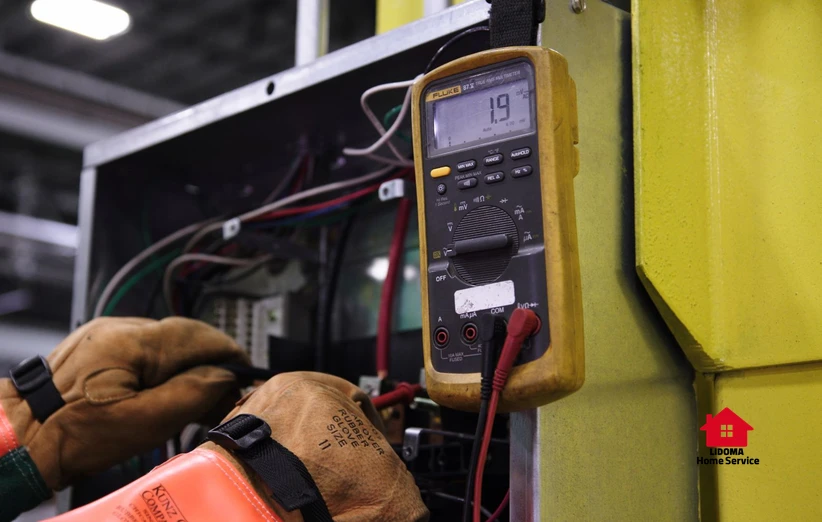
Lidoma Home Services uses a methodical inspection process when working in tight older basements. The technician looks at the furnace cabinet, surrounding clearance, visible venting, drainage routes, and service access before moving into component testing. Appropriate diagnostic instruments may be used where the situation calls for them, such as electrical meters, manometers, temperature measurement tools, and combustion-related test equipment. The value is in connecting measurements to symptoms, not simply taking readings.
Before an appointment, homeowners can make the visit more productive by clearing a safe work path to the furnace, moving stored items away from the unit, and noting where they have seen water, rust, odours, or unusual noises. If the furnace shares space with a water heater, laundry equipment, or a finished basement wall enclosure, mention any recent changes. Lidoma Home Services can then focus the service visit on both the furnace and the older-home conditions that may be affecting it.
Old Ductwork, Static Pressure, and Rooms That Never Heat Evenly
Uneven heating is one of the most common complaints in older Winnipeg homes, and it is often blamed on the furnace before the duct system is considered. A furnace can only deliver heat through the air path available to it. If the return side is restricted, the blower may struggle to pull enough air back. If the supply side is undersized or poorly balanced, some rooms receive strong airflow while others get weak delivery. In older homes, both conditions may exist at the same time.
Static pressure is the resistance the blower works against as it moves air through the system. High static pressure can be caused by restrictive filters, undersized return ducts, closed or blocked registers, dirty blower wheels, clogged evaporator coils if an air conditioner coil is installed above the furnace, or ductwork that was not designed for the current equipment. When static pressure is too high, the furnace may run hotter, become noisier, and wear components faster. Homeowners may notice whistling vents, banging ducts, weak airflow, or frequent filter deformation.
Older ductwork may also have leakage at seams, disconnected branches, or poorly sealed basement runs. Heated air lost into unfinished spaces reduces delivered heat to living areas. Return leaks can pull basement dust, renovation debris, or odours into the system. If duct contamination or airflow restriction is part of the problem, Professional Duct Cleaning may be relevant, but cleaning alone should not be presented as a cure for every airflow issue. The duct design, filter, blower, and furnace operation still need to be evaluated.
During a service visit, Lidoma Home Services can look for clues that point to duct-related furnace stress. These include temperature rise outside the furnace’s expected operating range, blower noise, dirty blower compartments, filter rack bypass, room-to-room comfort complaints, and visible duct restrictions. Where appropriate, the technician may recommend maintenance, repair, balancing adjustments, or further inspection of duct conditions. This is important because replacing parts inside the furnace without addressing airflow can lead to repeated symptoms.
Homeowners can help by describing the pattern of uneven heat. Is the second floor cold only during windy weather? Does one bedroom stay cold even with the door open? Did the problem begin after a basement renovation, new flooring, insulation work, or a filter upgrade? Those details often reveal whether the furnace is failing, the duct system is limiting performance, or the house envelope has changed. For older Winnipeg homes, the best repair plan usually starts with the airflow path rather than the thermostat setting.
What a Proper Furnace Tune-Up Checks in an Older Home
A proper tune-up in an older home is a technical inspection, not a quick visual visit. The technician should verify that the furnace starts correctly, proves flame, runs through a stable heating cycle, moves air properly, and shuts down safely. In Winnipeg, where heating equipment may run for long stretches during cold weather, this sequence matters. A weak ignitor, dirty flame sensor, blocked pressure switch tubing, failing inducer motor, dirty blower wheel, or restricted filter can become a no-heat situation when the system is under load.
Lidoma Home Services approaches Furnace Tune-Up and Repair by observing the furnace in operation and checking the conditions that affect reliability. A visit may include inspection of burners, flame sensor condition, ignition sequence, venting, electrical connections, blower compartment, filter fit, thermostat response, cabinet condition, safety controls, condensate drainage for high-efficiency units, and visible duct connections. The exact steps depend on the furnace type and what the technician finds on site.
A homeowner should expect questions. Good diagnosis often starts with the symptom history: when the issue began, whether the furnace locks out, whether power cycling temporarily restores heat, which rooms are cold, whether filters are changed regularly, and whether renovations have changed airflow. Older Winnipeg homes can hide the cause of a furnace complaint in the basement, ductwork, thermostat location, or building envelope. A technician who asks about the house is usually doing better diagnostic work than one who only swaps a part.
A practical tune-up checklist for homeowners before the appointment includes:
- Clear at least a safe working path around the furnace and electrical switch.
- Replace or set aside the current filter so the technician can see its condition.
- Write down any error codes displayed before turning the furnace off.
- Note odours, noises, water spots, or rooms with weak airflow.
- Mention recent renovations, insulation upgrades, duct changes, or thermostat changes.
- Keep pets and stored items away from the mechanical area during service.
For older homes, Lidoma Home Services also pays attention to how one issue can mask another. A dirty flame sensor may cause ignition failure, but a venting or combustion air problem could also be present. A high-limit trip may look like a furnace fault, but airflow restriction may be the underlying cause. That is why a structured tune-up is valuable: it helps prioritize repairs based on observed operation rather than guesswork.
Common Mistakes Older-Home Owners Should Avoid
The first common mistake is using a filter that is too restrictive for the duct system. High-efficiency filters can be useful in the right system, but older return ducts may not have enough capacity for a very restrictive filter. If airflow drops, the furnace can overheat, cycle on limit, or run longer without improving comfort. Homeowners should not choose a filter based only on packaging claims. Filter selection should consider furnace requirements, duct capacity, indoor air goals, and how quickly the filter loads with dust.
The second mistake is closing registers in unused rooms to “push heat” elsewhere. In many older duct systems, closing registers raises static pressure and can reduce total airflow. The furnace still has to move air across the heat exchanger. If too many registers are closed, the blower works against added resistance and the equipment may run hotter. A better approach is to have airflow problems assessed and balanced where possible instead of forcing the system to operate outside its intended range.
The third mistake is ignoring basement odours or dampness near the furnace. A musty smell may indicate return-air leakage, duct contamination, moisture problems, or materials stored too close to the system. A sharp or unusual smell during ignition should be taken seriously. Homeowners should not repeatedly reset the furnace when odours, flame irregularities, or visible rust are present. Those symptoms belong in the category of “call a professional,” not “wait and see.”
Another mistake is treating repeated flame sensor cleaning as a permanent repair. Flame sensors can become dirty, but frequent flame failure can also point to grounding issues, burner problems, combustion conditions, or control-related faults. Similarly, a pressure switch fault does not always mean the pressure switch itself is bad. It may be reacting to vent restriction, inducer performance, drainage issues, or tubing problems. Replacing parts without diagnosis can waste money and leave the real fault unresolved.
Lidoma Home Services helps homeowners avoid these traps by explaining what the symptom means and what it does not prove. If Professional Furnace Cleaning is appropriate because dust and debris are affecting accessible furnace areas, that recommendation should be tied to actual findings. If HEPA Filter Installation or Humidifier Installation and Maintenance is discussed, it should be considered in relation to airflow, duct capacity, and the home’s moisture behaviour rather than added as a generic accessory.
When to Repair, When to Consider Replacement, and What Not to Rush
Older homes often make the repair-or-replace decision more complicated because the furnace is only one part of the heating system. A furnace may be repairable, but the ductwork may limit performance. Another furnace may be operating poorly because of neglected maintenance rather than age alone. Homeowners should avoid making a replacement decision based only on one cold room, one noisy duct, or one failed ignition attempt. The first step is to understand the failure, the equipment condition, and the installation conditions around it.
Repair may make sense when the furnace cabinet is in reasonable condition, the heat exchanger shows no identified safety concern during professional inspection, replacement parts are practical to obtain, and the underlying issue is specific and correctable. Examples might include a faulty ignitor, dirty sensor, failed blower component, blocked condensate line, thermostat issue, or wiring problem. The key is that the technician can explain the cause and confirm that the repair addresses the symptom.
Replacement may need to be discussed when the furnace has repeated major failures, significant corrosion, unresolved safety concerns, serious venting issues, or repair needs that do not make practical sense compared with the condition of the equipment. However, replacement should not ignore the house. In older Winnipeg homes, Expert Furnace Installation should include attention to sizing, airflow, return-air capacity, venting route, drainage, filter access, and service clearance. Installing new equipment into poor conditions can preserve old comfort problems.
Lidoma Home Services supports this decision by separating immediate safety or reliability concerns from longer-term planning. A homeowner may need an urgent repair to restore heat, then a measured discussion about whether the system is worth continued investment. That is different from pressure-based replacement advice. The technician’s observations, age and condition of components, availability of parts, operating measurements, and homeowner goals all matter.
Questions to ask before approving a repair or replacement include: What failed? What likely caused it? Is this failure related to airflow, venting, drainage, or controls? Are there signs of repeated overheating or short cycling? Would cleaning or airflow correction reduce future strain? If replacement is discussed, what changes would be needed in the basement or ductwork to make the new furnace perform properly? These questions are especially important in older homes where access, ducts, and insulation history can affect the final result.
What to Expect When You Book Service with Lidoma Home Services
Booking a furnace visit should feel organized, especially when the home is older and symptoms are not simple. When contacting Lidoma Home Services, homeowners should be ready to describe the furnace problem in practical terms: no heat, weak heat, intermittent lockout, strange noise, water near the unit, burning smell, cold rooms, thermostat mismatch, or high run time. The more specific the description, the better the technician can prepare for the appointment.
During the visit, the technician will typically begin with safety and access. That means locating the furnace switch, thermostat, filter, venting, and service panels, then reviewing the symptom with the homeowner. If the furnace is operating, the technician can observe a heating cycle. If it is locked out or not starting, diagnostic steps may begin with electrical power, thermostat call, control board status, ignition sequence, inducer operation, pressure proving, gas ignition, flame sensing, and blower operation.
For older Winnipeg homes, the appointment may also include discussion of duct layout, basement conditions, and changes to the building. A finished basement may hide duct runs. A renovated kitchen may have altered floor registers. Added attic insulation may change heat loss patterns. New windows may reduce drafts in one area while old rim joists continue to leak cold air in another. Lidoma Home Services uses these details to connect furnace operation with the house rather than treating the equipment as isolated.
Homeowners should expect a clear explanation of findings. A useful service summary should identify what was checked, what was found, what needs immediate attention, and what can be monitored. If additional work such as Professional Duct Cleaning or Professional Furnace Cleaning is recommended, it should be connected to visible dust, airflow symptoms, blower condition, filter bypass, or duct contamination concerns.
Call Lidoma Home Services for Furnace Help in Winnipeg
For service questions, scheduling, or urgent furnace concerns, contact Lidoma Home Services directly:
+1 204 297 4420
+1 431 374 3360
Save both numbers where you can find them during cold weather: +1 204 297 4420 and +1 431 374 3360. If the furnace is repeatedly shutting down, making unusual noises, producing concerning odours, or failing to heat the home, call before repeated resets create a bigger problem.
Seasonal Timing, Humidity, and Ventilation in Winnipeg’s Older Homes
Winnipeg homes experience large seasonal swings. In winter, the furnace runs frequently and indoor air often becomes dry. In summer, basements may feel damp and ductwork may carry cooling airflow if the home has central air. These seasonal changes affect furnace components even when the thermostat is not calling for heat every day. Dust settles in the blower compartment, humidity can contribute to corrosion, and filter habits can change depending on whether cooling equipment is also using the same air handler.
Fall is often the most practical time for preventive furnace service because the system can be checked before long heating cycles begin. However, older homes should not wait for a calendar date if symptoms are already present. Short cycling, weak airflow, ignition retries, or water near the furnace should be addressed when noticed. In extreme cold, a minor problem can become harder to tolerate because the house loses heat faster and appointment demand may rise during widespread cold snaps.
Humidity control deserves careful thought in older homes. Very dry air can make occupants feel cooler and may affect wood finishes, but adding humidity without considering insulation, window condition, and ventilation can create condensation on cold surfaces. If a whole-home humidifier is present or being considered, Humidifier Installation and Maintenance should be coordinated with furnace airflow and duct layout. Poorly maintained humidifiers can leak, clog, or add moisture unevenly.
Ventilation is also important. Older homes may be drafty in some areas and surprisingly tight in others after renovations. If ventilation upgrades are being considered, Professional HRV Installation should be evaluated with the existing furnace, ductwork, and building envelope in mind. An HRV is not a furnace repair, but ventilation balance can influence indoor humidity, air quality, and how the heating system feels to occupants.
Lidoma Home Services helps homeowners think seasonally instead of reactively. During Affordable Furnace Tune-Up and Repair discussions, the technician can identify which tasks should happen before heating season, which symptoms need immediate action, and which improvements should be planned around renovations or equipment changes. That planning is valuable in older Winnipeg homes because mechanical upgrades work best when they respect the limits of the house.
FAQ: Furnace Tune-Up and Repair Questions from Older Winnipeg Homes
Why does my older Winnipeg home have one cold room even after the furnace runs?
A single cold room often points to airflow or building-envelope issues rather than furnace capacity alone. The branch duct may be undersized, disconnected, restricted, or poorly balanced. The room may also have more exterior exposure, older windows, or weak return-air movement when the door is closed. Lidoma Home Services can check furnace operation while also looking for duct and airflow clues that explain why heat is not reaching that space.
Is a stronger furnace filter always better for an older house?
No. A restrictive filter can reduce airflow if the return duct system and blower are not suited to it. That can raise static pressure and make the furnace run hotter. If indoor air quality is a concern, ask whether the system can handle the filter you want before using it. In some homes, duct improvements, better filter fit, or HEPA Filter Installation may be more appropriate than simply choosing the densest disposable filter.
Should I keep resetting the furnace if it starts again afterward?
Repeated resets are a warning sign. The furnace is locking out or shutting down because a control or safety sequence is not being satisfied. The cause could be ignition, flame sensing, venting, condensate drainage, overheating, or another fault. If the problem repeats, call Lidoma Home Services for diagnosis rather than cycling power again and again.
Can duct cleaning fix weak airflow in an older home?
Sometimes it helps, but it depends on the cause. If debris, dust buildup, or contamination is restricting airflow, Professional Duct Cleaning may be useful. If the issue is undersized ductwork, closed dampers, restrictive filters, poor return-air design, or blower performance, cleaning alone will not solve it. A furnace service visit should identify which condition is most likely.
Why is there water near my high-efficiency furnace?
High-efficiency furnaces produce condensate during operation, and that water must drain properly. Water near the unit may come from a blocked drain, disconnected tube, cracked fitting, floor drain issue, humidifier problem, or another nearby appliance. Because water can affect electrical components and furnace operation, it should be checked promptly.
When should I call instead of waiting for the next maintenance visit?
Call if the furnace stops heating, repeatedly locks out, makes grinding or scraping noises, produces unusual odours, shows visible flame irregularities, leaks water, trips the breaker, or leaves the home unable to maintain temperature during cold weather. For Furnace Tune-Up and Repair in Winnipeg, Manitoba, early diagnosis is usually easier than emergency troubleshooting during a cold snap.
Who do I contact for Expert HVAC services Winnipeg?
Contact Lidoma Home Services at +1 204 297 4420 or +1 431 374 3360. For older homes, describe the furnace symptom, basement access, duct concerns, and any recent renovations so the technician has useful context before arriving.
Final Takeaway for Older Winnipeg Homes
Older homes need furnace care that accounts for more than the equipment label. Basement access, return-air limitations, duct leakage, insulation changes, thermostat location, humidity, and venting conditions can all affect how reliably the furnace heats the home. A good service visit identifies the mechanical fault and the house conditions that may have contributed to it.
If you are looking for Affordable Furnace Tune-Up and Repair without guesswork, Lidoma Home Services can assess the furnace, explain the findings, and help you decide what needs repair now and what should be monitored. For Expert HVAC services Winnipeg, especially in older homes with tight basements or uneven heat, book Furnace Tune-Up and Repair before small symptoms become no-heat problems.
Call Lidoma Home Services today at +1 204 297 4420 or +1 431 374 3360.